

Even a little exercise linked with lower stroke risk in people with afib

Testosterone therapy without evidence of deficiency may boost heart risk

Weight-loss drug may lower risk of heart attacks and infections

What to eat on the DASH diet

Migraine: How it's diagnosed and what that means

Tricep workouts you can do at home

Mindfulness practices to reduce stress and improve focus

Antihistamines may not offer meaningful relief from eczema symptoms

Overweight and taking blood pressure medications: Study finds it's a trend that's working

FDA approves first mRNA-based flu vaccine
Sleep Archive
Articles

Stay active, even with stiff ankles
Exercise and stretch daily to keep ankles flexible.
Ankle stiffness can do a number on your mobility. It can make it difficult to remain active or even get out of bed in the morning and walk across the room. "Motion restriction usually occurs more in the upward than downward direction, so it becomes harder to walk uphill, wear flat shoes, or keep feet pointed straight ahead," says Dr. Christopher DiGiovanni, chief of foot and ankle surgery at Harvard-affiliated Massachusetts General Hospital.
A tricky joint
The ankle is a vulnerable structure. It's made of the ends of the lower leg bones (the tibia and fibula), which hold the talus bone of the foot in between them. The joint is stabilized by ligaments and powered by muscles that work in concert to enable ankle and foot motion and accommodate uneven surfaces when you stand or walk.

What's in your frozen treat?
Do a little detective work before digging into that dessert.
Treating yourself to a small dish of an icy dessert used to be simple: we had a limited number of dessert types and flavors available, like chocolate ice cream or orange sherbet. Today there are so many options at the grocery store you may feel a brain freeze before you even take a bite.
You'll find ice cream, frozen custard, frozen yogurt, sherbet, and gelato. It may be full fat, reduced fat, low fat, nonfat, low carbohydrate, or sugar-free.
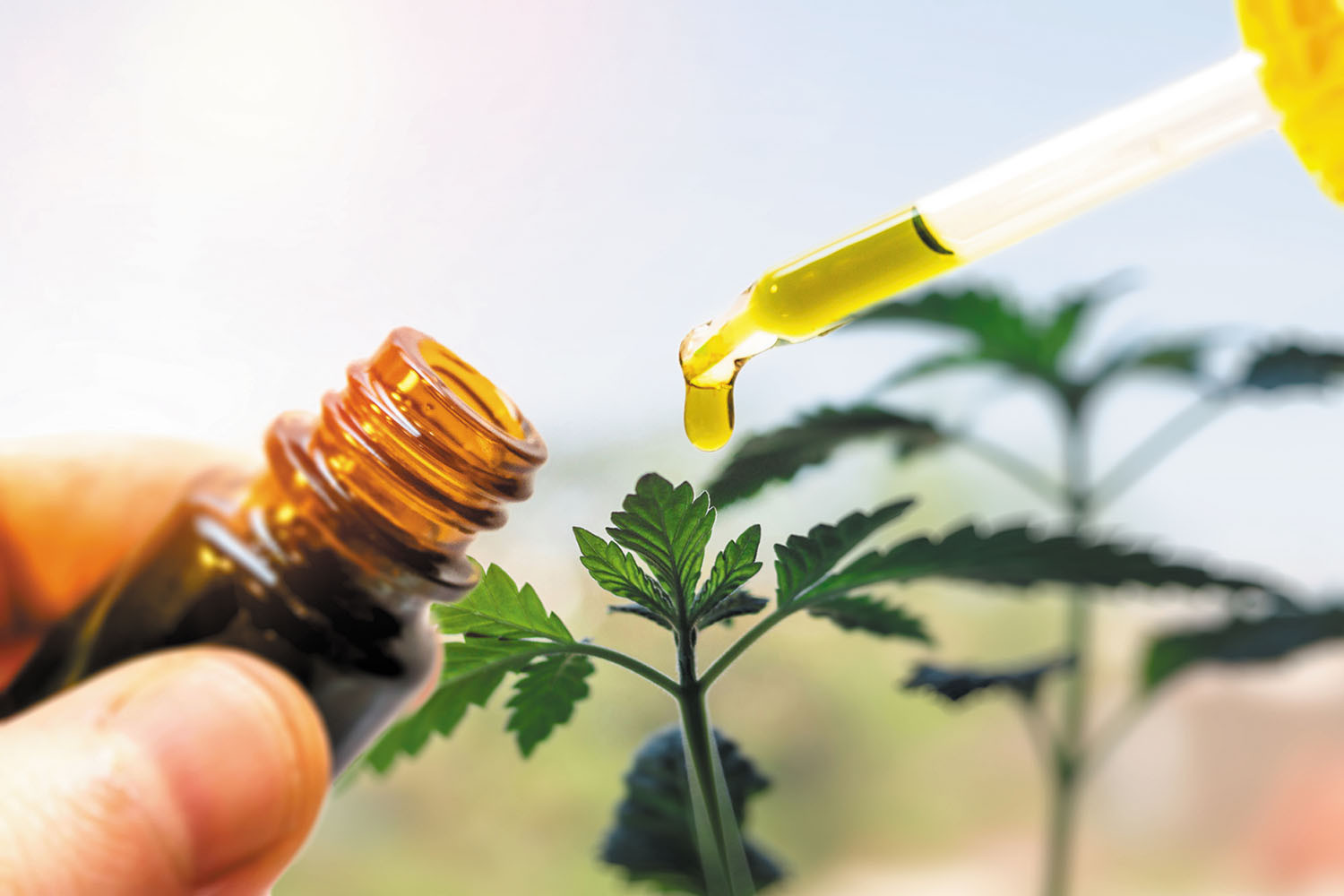
Answers to the top questions about cannabis extract
Sales of cannabidiol-infused products are expected to top $2 billion by 2021. But is CBD right for you?
Cannabidiol (CBD) is touted as a natural wonder that can help treat symptoms of everything from anxiety to arthritis pain. The plant extract comes from two varieties of cannabis — hemp and marijuana — and is available in creams, tinctures, oils, patches, gummy bears, capsules, and more. You can even add CBD to a latte if you walk into a coffee shop in some cities.
But is CBD safe for older adults? There haven't been a lot of large studies of CBD's safety, but more traditional medicines for pain and anxiety are not free of adverse effects, either. "I think CBD is likely safer than many other treatments people use for pain, insomnia, or anxiety," says Dr. Peter Grinspoon, a primary care physician with Harvard-affiliated Massachusetts General Hospital. Other physicians don't think we know enough about the safety profile of CBD to be sure.
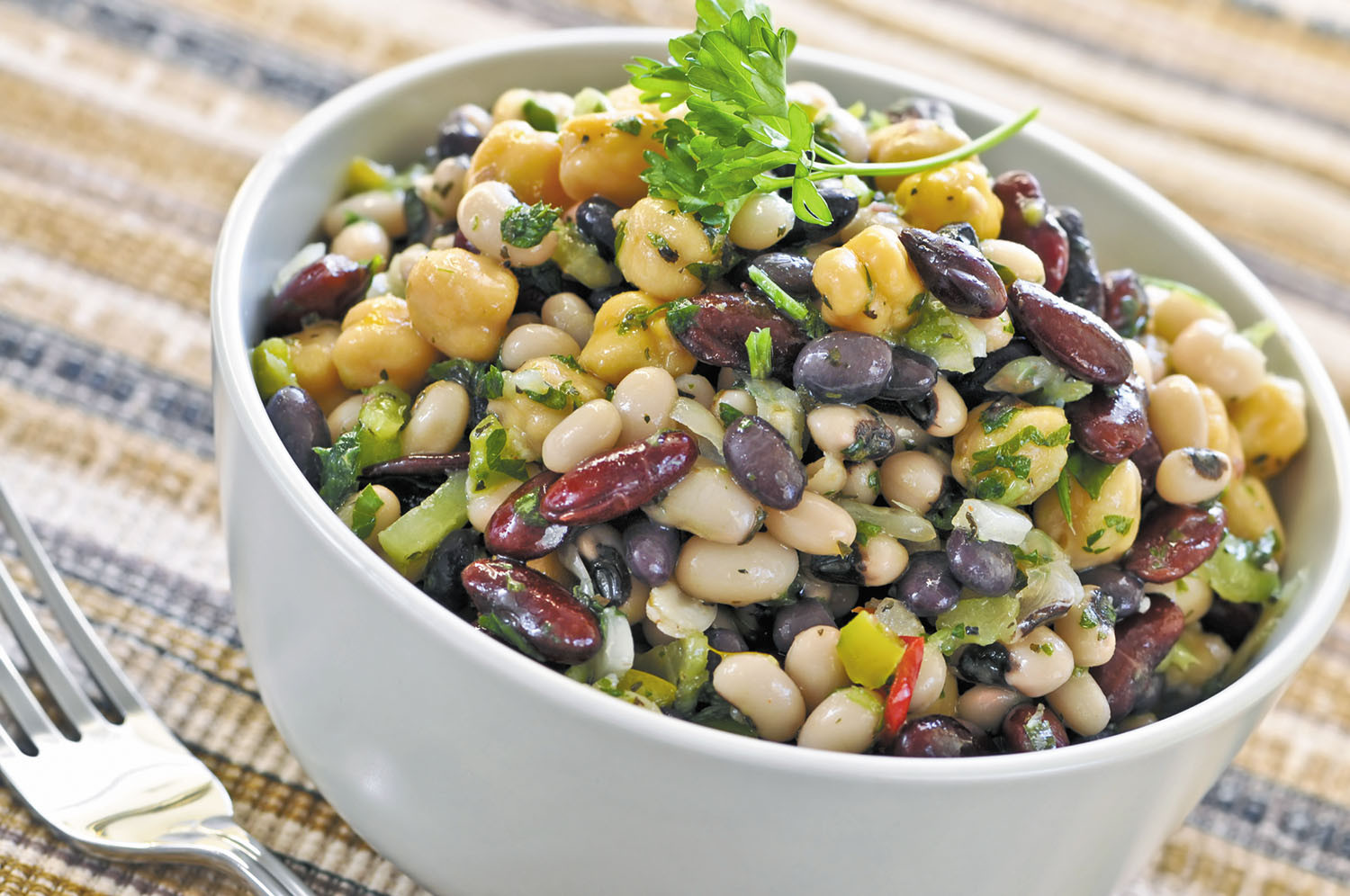
Fiber linked to lower risk for chronic disease and early death
News briefs
Are you eating enough fiber each day? The recommended dietary fiber intake in the United States is 25 grams per day for women (about three half-cup servings of legumes) and 38 grams per day for men. But most people eat only half of that. Now a study commissioned by the World Health Organization, published online Jan. 10, 2019, by The Lancet, offers more evidence about why fiber is an important player in good health. Researchers combed through more than 240 studies and clinical trials and found that people who ate the most fiber-rich foods had the lowest risks for dying or developing chronic disease during the studies, compared with people who ate the least amount of fiber-rich foods. How much did the risks fall? For every 8-gram increase in dietary fiber eaten each day, the total number of deaths and cases of heart disease, diabetes, and colorectal cancer decreased by 5% to 27%. The authors say that eating 25 to 29 grams of fiber per day is adequate, but eating more than 30 grams per day might offer even more protection.
Image: © Elenathewise/Getty Images

A risky combination: Healthy weight but unhealthy activity level
News briefs
Many people think the only reason for regular exercise is that it helps you maintain a healthy weight. Not true. A sedentary lifestyle can cancel the potential heart benefits of weight control, according to a study published online Dec. 4, 2018, by the American Journal of Cardiology. Researchers looked at five years' worth of health survey responses and weight calculations from thousands of overweight and normal-weight people ages 40 to 79 who'd never had heart disease. Scientists noted the participants' amount of abdominal fat, waist size, and self-reported amounts of physical activity, then calculated everyone's cardiovascular disease risk. The results: 30% of sedentary people with a normal weight had about the same risk for a heart attack or stroke as people who were overweight. Sedentary adults whose weight was normal also had higher levels of belly fat, shortness of breath upon exertion, and an unhealthy waist circumference compared with normal-weight adults who exercised regularly. However, people with a normal weight who exercised at least 150 minutes per week were 58% less likely to have a heart attack than those in the study who were overweight.
Image: Halfpoint/iStock

Sleep shortfall linked to higher risk of clogged arteries
Research we're watching
Too little sleep may be hard on your blood vessels, according to a study in the January issue of the Journal of the American College of Cardiology.
For the study, 3,974 healthy, middle-aged people wore watchlike devices called actigraphs for a week to track how long they slept and how often they woke up and moved during the night. The participants also received three-dimensional ultrasounds of arteries in their necks and upper legs and special scans to check their heart arteries.

The buzz about caffeine and health
What the latest science says about caffeine's influence on your heart, memory, sex life, and exercise performance.
Americans are jolted with caffeine. On average, about 80% of adults take some form of caffeine every day, according to the FDA, usually from coffee, tea, soda, or energy drinks.
But does all that caffeine have any effect on your health — either good or bad? "While caffeine can give you a temporary mental and physical boost, its impact depends on how much you consume and the source," says Dr. Stephen Juraschek, an internal medicine specialist at Harvard-affiliated Beth Israel Deaconess Medical Center.

No time to exercise? Then take five
You can do an all-around workout in just five minutes if you focus on intensity and target the main muscle groups.
Growing evidence continues to show that high-intensity interval training (HIIT) offers similar — or in some cases even superior — results compared with longer, lower-intensity workouts. With HIIT, you exercise for a short burst at near-maximum effort followed by a brief rest period, and then you continue to repeat the cycle over the next 10 to 15 minutes.
Small workouts, big gains
The main advantage to HIIT is that it takes less time than the traditional workout of 20 to 30 minutes or longer.

Put your best foot forward
Here's what you can do about the three most common foot issues related to aging.
When our feet hurt, we hurt all over. That saying is often attributed to the Greek philosopher Socrates, and it's as relevant today as it was more than 2,500 years ago.
"Our feet are our vehicle to an active lifestyle," says Dr. Christopher DiGiovanni, chief of the Foot and Ankle Service at Harvard-affiliated Massachusetts General Hospital and Newton Wellesley Hospital. "If your feet are not sound and healthy, it's tough to keep the rest of you healthy, too."

Zinc oxide shows no link to skin damage
In the journals
Zinc oxide (ZO) is one of the most effective ingredients in sunscreen, but previous studies have suggested it could potentially damage skin cells. Now, a small study in the February 2019 Journal of Investigative Dermatology has found that ZO nanoparticles don't penetrate the skin or damage skin on a cellular level even with repeated applications.
ZO is one of 17 active sunscreen ingredients approved by the FDA. ZO offers broad-spectrum protection and shields against both UVB rays, which cause sunburn, and UVA rays, which penetrate more deeply and are more likely to damage cell DNA and increase the risk of skin cancer.
Even a little exercise linked with lower stroke risk in people with afib
Testosterone therapy without evidence of deficiency may boost heart risk
Weight-loss drug may lower risk of heart attacks and infections
What to eat on the DASH diet
Migraine: How it's diagnosed and what that means
Tricep workouts you can do at home
Mindfulness practices to reduce stress and improve focus
Antihistamines may not offer meaningful relief from eczema symptoms
Overweight and taking blood pressure medications: Study finds it's a trend that's working
FDA approves first mRNA-based flu vaccine
Free Healthbeat Signup
Get the latest in health news delivered to your inbox!
Sign Up
