

Even a little exercise linked with lower stroke risk in people with afib

Testosterone therapy without evidence of deficiency may boost heart risk

Weight-loss drug may lower risk of heart attacks and infections

What to eat on the DASH diet

Migraine: How it's diagnosed and what that means

Tricep workouts you can do at home

Mindfulness practices to reduce stress and improve focus

Antihistamines may not offer meaningful relief from eczema symptoms

Overweight and taking blood pressure medications: Study finds it's a trend that's working

FDA approves first mRNA-based flu vaccine
Sleep Archive
Articles

Four keys to prevent cardiovascular disease
Are you doing everything you can to keep your heart healthy?
After decades of steady decline, the number of deaths from cardiovascular disease (CVD) has risen over the past few years, according to the American Heart Association.
The good news is that an estimated 80% of all CVD cases — heart disease, heart attack, heart failure, and stroke — can be prevented. The key is to control high blood pressure and high cholesterol and to maintain healthy habits, such as exercising regularly, eating a plant-based diet, getting enough sleep, and not smoking.

Get healthy for vacation
Don't neglect healthy habits when planning your summer travels.
Before you leave for summer vacation, don't forget to pack some good health.
"While you should follow healthy habits year-round, you should give extra attention to certain areas when you travel, since you are often more active than usual," says Dr. Wynne Armand, a primary care physician at Harvard-affiliated Massachusetts General Hospital.

A flexible way to stretch
Flexibility can decline as you age and raise your risk of injury. A daily stretching routine can help.
As you age, it's normal to become less limber. Your muscles shrink and your tendons lose their water content, which makes your body stiffer. But add in less activity from a sedentary lifestyle and your lack of flexibility can become even worse.
"When you sit too much and don't move around, the muscles in your hips, legs, and calves get tighter," says Dr. Lauren Elson of the Physical Medicine and Rehabilitation Department at Harvard-affiliated Spaulding Rehabilitation Hospital, and faculty editor for Harvard Health Publishing's special reports, Stretching and Starting to Exercise.
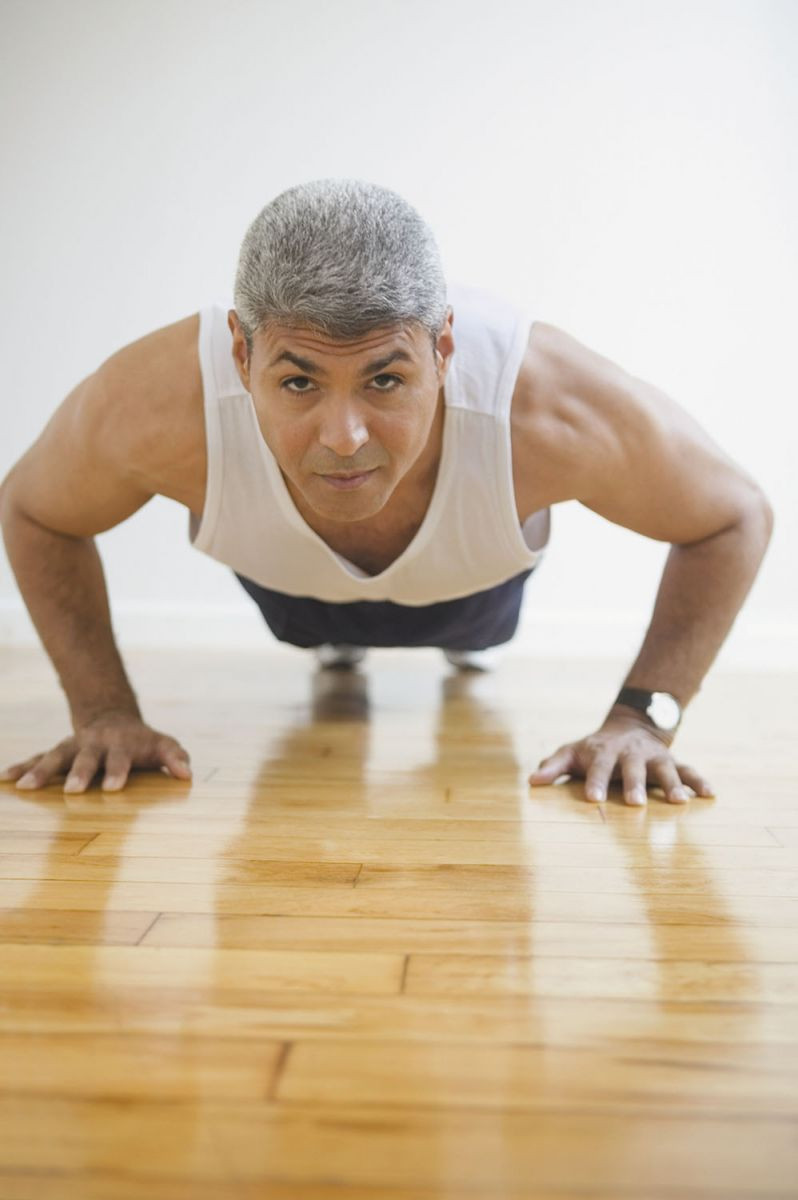
More push-ups may mean less risk of heart problems
In the journals
How many push-ups can you do in a minute? The number may predict your risk of heart disease, suggests a study published online Feb. 15, 2019, by JAMA Network Open.
Harvard researchers analyzed data from 1,104 healthy firefighters, average age 40, who did not have cardiovascular disease. Each man performed as many push-ups as possible in one minute. The men also had treadmill tests to measure their cardiovascular health and aerobic fitness. After 10 years, the researchers found that the men who had originally performed the most push-ups were least likely to get heart disease.

Poor sleep can change your reaction to pain
In the journals
Lack of sleep may make you more sensitive to pain, according to a study in the Jan. 28, 2019, issue of The Journal of Neuroscience.
Researchers found that poor sleep interferes with certain pain centers of the brain and can change how a person perceives and reacts to discomfort. In the study, scientists scanned the brains of 25 healthy adults in two sleep environments: first, after they slept eight hours, and again after they were kept awake for 24 to 28 hours. During both scans, they also received uncomfortable levels of heat to their legs.

Eating more ultra-processed foods may shorten life span
In the journals
Need another reason to monitor your intake of ultra-processed foods? Cutting down on your amounts could help you live longer.
In an observational study published online Feb. 11, 2019, by JAMA Internal Medicine, almost 45,000 adults ages 45 and older completed several dietary assessments over a two-year period. On average, ultra-processed foods made up about 15% of their daily diet as measured in grams.
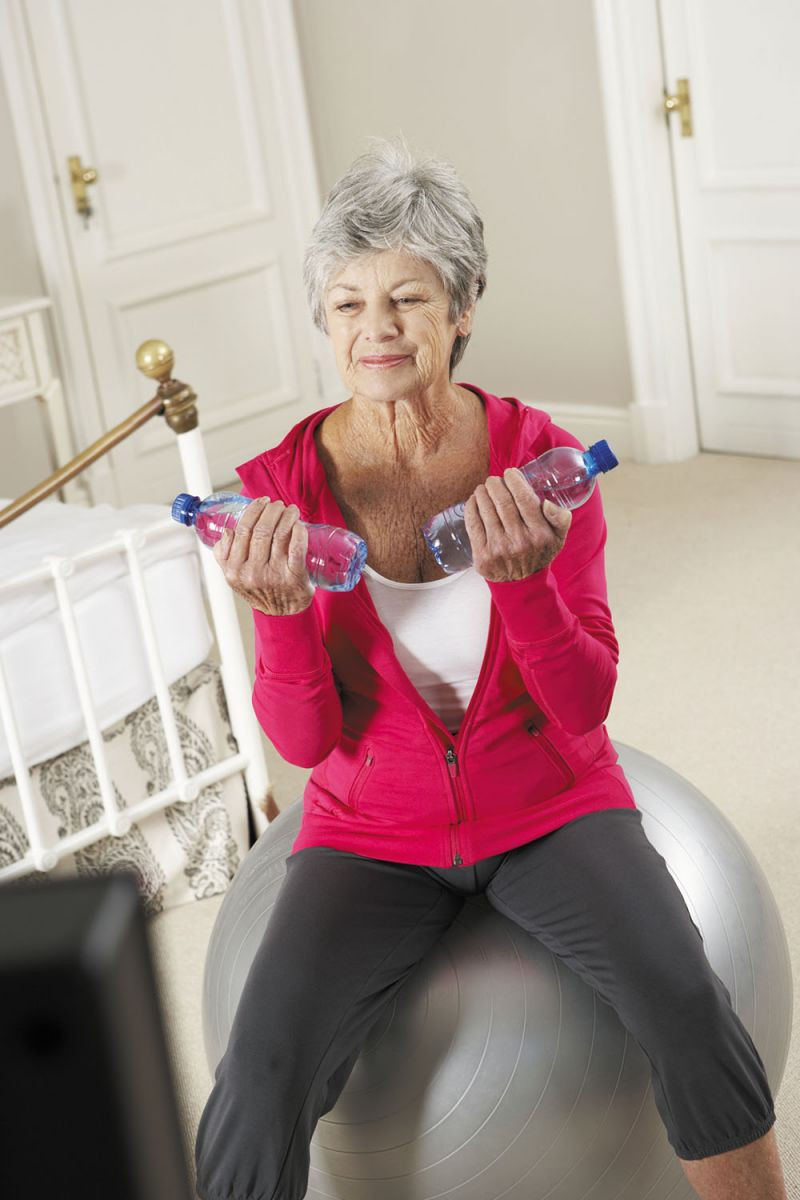
Do short bursts of exercise help?
Ask the doctors
Q. I recently read that I don't need to exercise all at once during the day to get health benefits. Is this true?
A. It's true — at least according to the newest version of the Physical Activity Guidelines for Americans published by the U.S. Department of Health and Human Services (HHS).
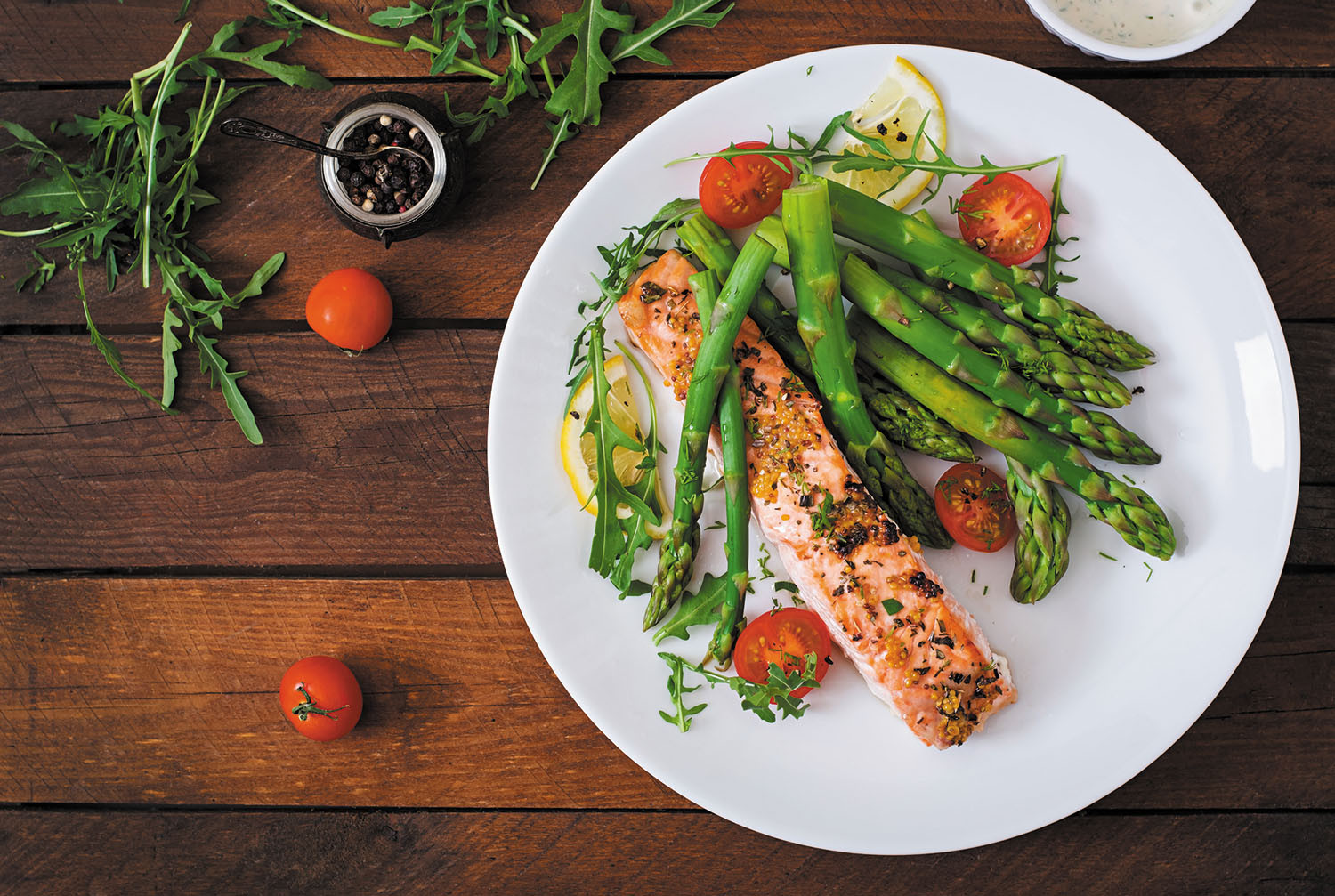
Fried foods linked to earlier death
Healthier options, such as baking, can offer similar taste without the health drawbacks.
Fried foods are crunchy, crispy, and tasty, but as tempting as they are, eating them too often might shave years off your life.
A study published online January 23 by The BMJ found that women who ate one or more servings of fried chicken daily were 13% more likely to die prematurely from any cause and 12% more likely to die from heart-related causes than women who didn't eat any fried food.
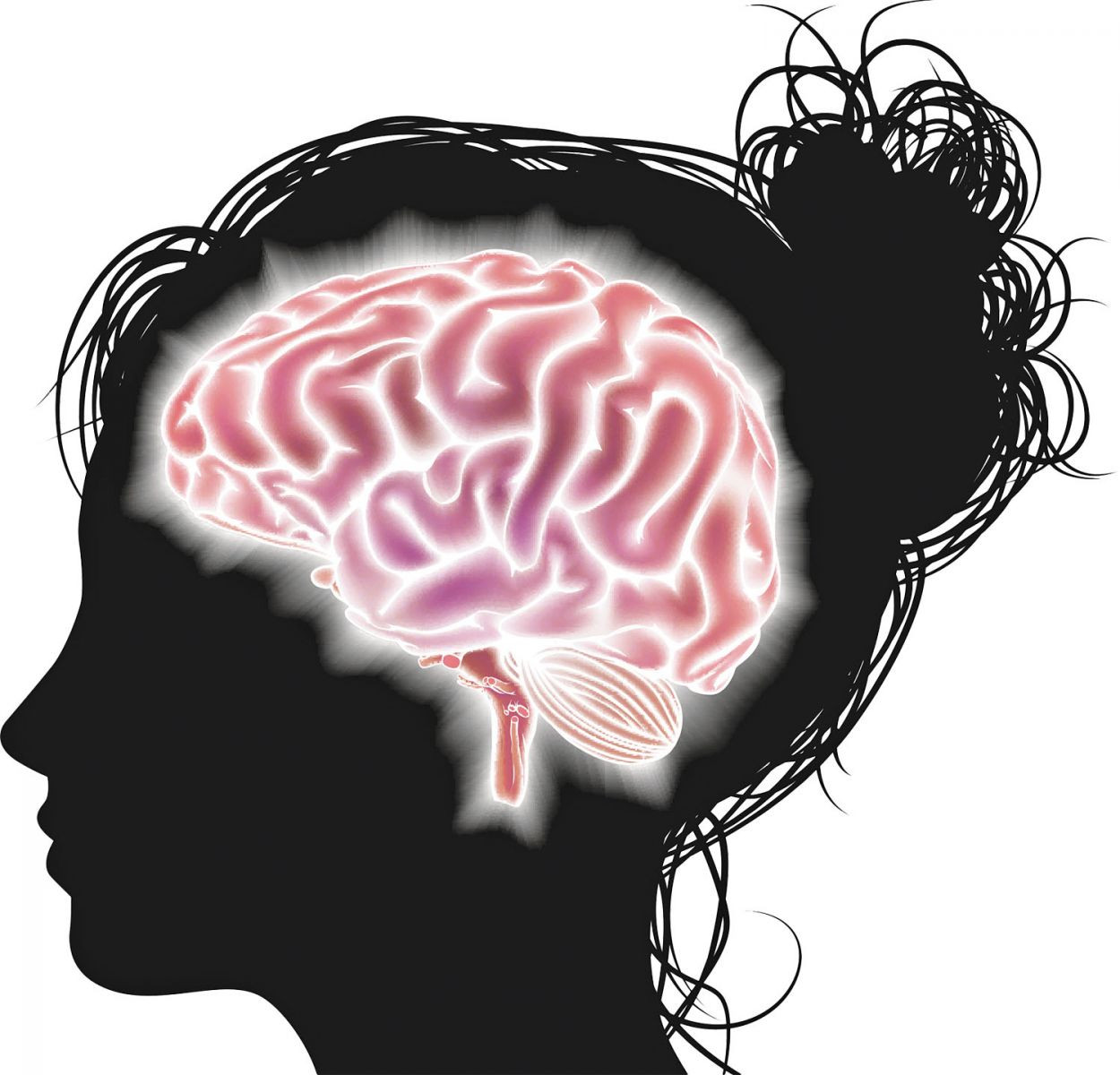
Chronic inflammation may put your brain at risk
Research we're watching
Not only might chronic inflammation affect your heart health, but it could also lead to cognitive decline, according to a study published in the February issue of Neurology. Researchers measured inflammation in more than 12,000 middle-aged adults, assigning each a composite score using four inflammation-related biomarkers found in the blood. They then assessed the cognitive function of the participants in three separate visits over the next 20 years. They found that after adjusting for demographic and other variables, inflammation appeared to be associated with increased cognitive decline. People in the study who had higher inflammation scores experienced 7.8% greater cognitive decline when compared with study participants who had lower scores.
Image: © ChrisGorgio/Getty Images

How a good night's sleep might help your heart
Research we're watching
Sleep has long been known to help protect you against heart disease, and researchers now think they know at least one reason why. A study published online February 13 by the journal Nature looked at how sleep duration and quality relates to the buildup of damaging plaque in the arteries.
Harvard Medical School researchers found that a lack of good sleep boosts the body's production of inflammatory white blood cells that earlier research has linked to fatty buildup in the arteries. This could help explain why sleep problems can lead to arterial buildup. Poor sleep is linked not only to clogged arteries, but also to a host of chronic health conditions, such as cancer, obesity, and diabetes — all good reasons to make sure you get your z's.
Even a little exercise linked with lower stroke risk in people with afib
Testosterone therapy without evidence of deficiency may boost heart risk
Weight-loss drug may lower risk of heart attacks and infections
What to eat on the DASH diet
Migraine: How it's diagnosed and what that means
Tricep workouts you can do at home
Mindfulness practices to reduce stress and improve focus
Antihistamines may not offer meaningful relief from eczema symptoms
Overweight and taking blood pressure medications: Study finds it's a trend that's working
FDA approves first mRNA-based flu vaccine
Free Healthbeat Signup
Get the latest in health news delivered to your inbox!
Sign Up
