

Even a little exercise linked with lower stroke risk in people with afib

Testosterone therapy without evidence of deficiency may boost heart risk

Weight-loss drug may lower risk of heart attacks and infections

What to eat on the DASH diet

Migraine: How it's diagnosed and what that means

Tricep workouts you can do at home

Mindfulness practices to reduce stress and improve focus

Antihistamines may not offer meaningful relief from eczema symptoms

Overweight and taking blood pressure medications: Study finds it's a trend that's working

FDA approves first mRNA-based flu vaccine
Mobility, safety, and fall prevention Archive
Articles
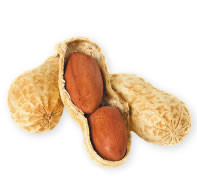
Eating peanuts may extend your life
Health studies rarely involve people on opposite sides of the globe who have very different lifestyles. However, researchers at Vanderbilt Medical School took that approach when they pooled data from dietary studies of 72,000 men and women in the southeastern United States and 135,000 people in Shanghai, China. It turns out that the Americans and Chinese have something in common—they both eat a lot of peanuts—and they may be living longer as a result.
All of the participants filled out detailed questionnaires on the foods they ate regularly. The research team noted that peanuts accounted for 50% of nuts eaten by Americans and almost all the nuts consumed by the Chinese.

The dollars and sense of long-term care
Even if you feel you've saved enough money for the future, it's important to start planning for long-term care now, when you can make sound decisions. Images: Thinkstock |
Why you should plan now for care you may need later.

Ask the doctor: Why am I getting shorter?
After age 40, people lose about half an inch in height with each decade, mainly in the spine. Image: Thinkstock |
Q. Why do people over 60 lose height? I've lost a few inches over the years. Can this be prevented?

Don't just sit there
Stop sitting during TV commercial breaks. Jump up off the couch, and use the time to exercise. Image: Thinkstock |
Easy ways to increase activity and cut down on sedentary time.

New concerns about diet sodas
They're linked to calorie absorption, high blood pressure, and heart trouble.
For weight-conscious people who love the bite of carbonation and the taste of various soft drinks, the advent of sugar-free sodas 60 years ago seemed a blessing: if there were no calories, you didn't have to worry about weight gain—and the diseases that go along with obesity, like diabetes and heart disease. "But there are growing doubts about whether diet sodas really help people lose weight and avoid diabetes," says Dr. Anthony Komaroff, editor in chief of the Health Letter.

The downside of too much sitting
During the day, make an effort to stand rather than sit, when possible. |
Standing up more throughout the day may help you dodge heart disease and live longer.

Weight-loss drugs and your heart
Weight-loss drugs aren't for people hoping to lose just a few pounds. Image: Thinkstock |
Some first-generation diet pills proved risky to the heart. New drugs may have expanded the options for treating obesity.

Ask the doctor: Health benefits of probiotics
Q. Would you suggest I try taking a probiotic supplement for general colon health? I have a sensitive stomach and sometimes suffer from constipation.
A. Probiotics, the beneficial bacteria that live in our intestines and assist in digestion, have gained a lot of support lately. Each week, a new study appears describing health benefits or diseases associated with changes in the so-called microbiome—the diverse community of microorganisms each of us carries inside our body. Still, the benefits of adding probiotics to the intestinal tract are uncertain.
Probiotics have proved helpful in situations where the body's normal, healthy bacteria have been destroyed, such as after taking a powerful antibiotic. Small studies in people with irritable bowel syndrome have suggested that taking probiotics improves pain and diarrhea. The benefit in constipation is less certain, but it's reasonable for you to try taking a probiotic if you are interested.
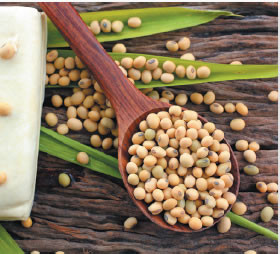
Add soy to your diet, but don't subtract other healthy foods
Soybeans, a legume, are rich in protein, polyunsaturated fats, fiber, vitamins, and minerals. |
Soy foods can help you build a healthy diet, but their ability to prevent heart disease and cancer remain unproven. Soy foods, from soy milk to tofu, are often touted for their health benefits. But if you add soy to your diet, be mindful about what you are pushing off the plate.

Better health with smartphone apps
A variety of smartphone or tablet apps are available to support your heart health—for example, by allowing you to track home blood pressure readings and share them with your doctor. |
Downloadable software can educate and motivate, helping you to move in a healthier direction.
Even a little exercise linked with lower stroke risk in people with afib
Testosterone therapy without evidence of deficiency may boost heart risk
Weight-loss drug may lower risk of heart attacks and infections
What to eat on the DASH diet
Migraine: How it's diagnosed and what that means
Tricep workouts you can do at home
Mindfulness practices to reduce stress and improve focus
Antihistamines may not offer meaningful relief from eczema symptoms
Overweight and taking blood pressure medications: Study finds it's a trend that's working
FDA approves first mRNA-based flu vaccine
Free Healthbeat Signup
Get the latest in health news delivered to your inbox!
Sign Up
