

Even a little exercise linked with lower stroke risk in people with afib

Testosterone therapy without evidence of deficiency may boost heart risk

Weight-loss drug may lower risk of heart attacks and infections

What to eat on the DASH diet

Migraine: How it's diagnosed and what that means

Tricep workouts you can do at home

Mindfulness practices to reduce stress and improve focus

Antihistamines may not offer meaningful relief from eczema symptoms

Overweight and taking blood pressure medications: Study finds it's a trend that's working

FDA approves first mRNA-based flu vaccine
Mobility, safety, and fall prevention Archive
Articles

Diets rich in plant-based foods linked to healthy aging
Following a mostly plant-based diet starting in middle age can boost a person's odds of healthy aging, defined as reaching age 70 free from chronic disease while also maintaining cognitive, physical, and mental health, according to a 2025 study.
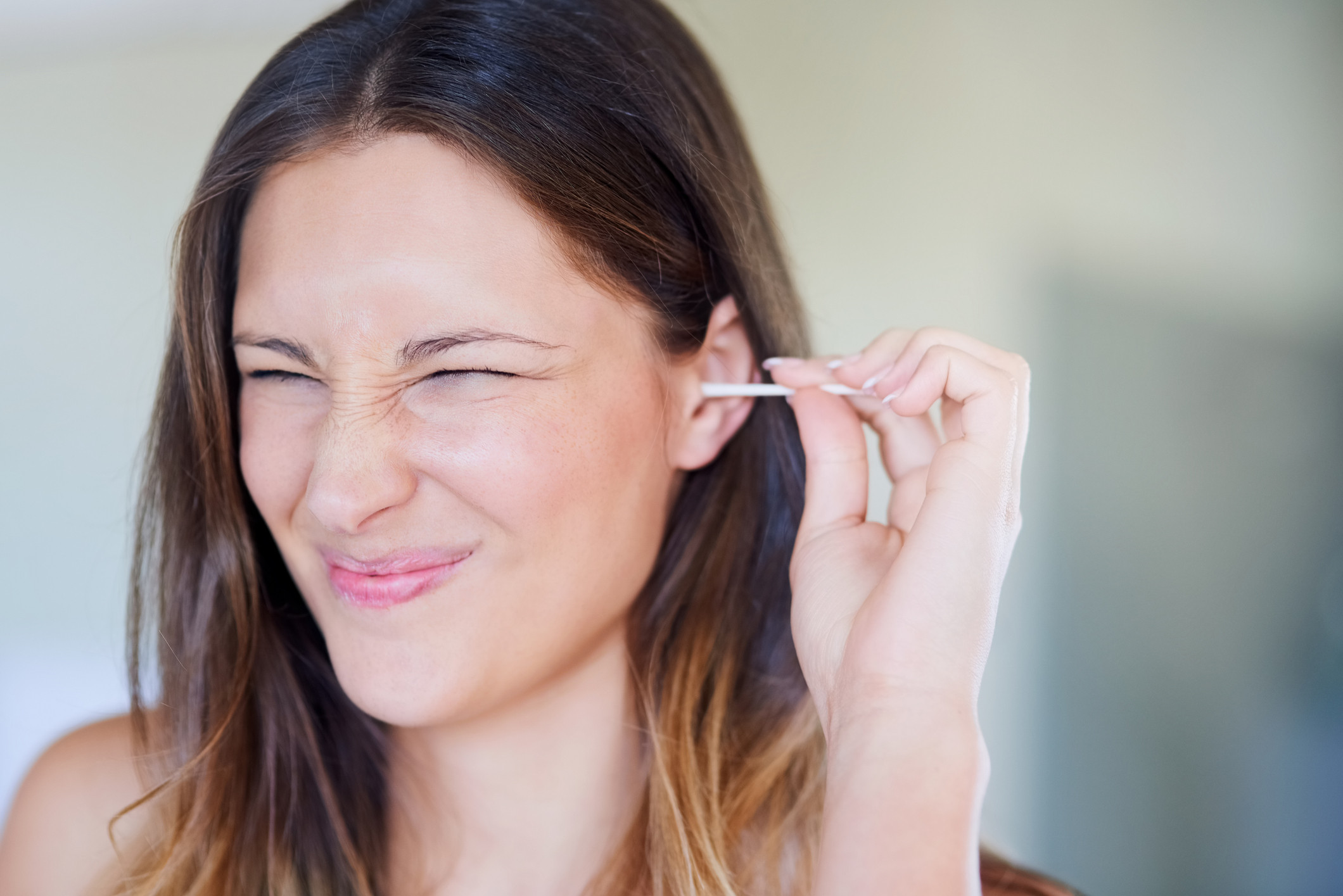
Do I need to clean my ears?
Earwax should be removed only if it causes problems with hearing, ringing in the ears, or an earache. To unblock the wax, people can use an over-the-counter ear-cleaning treatment to flush it out. If this is not successful, see your doctor.

How to fill out a "flat" behind
Older men can get "flat" or weak buttocks from spending too much time sitting, which can weaken gluteal muscles and create tight hip flexors. This weakness can place excess demand on other parts of the body, which can lead to pain in the lower back, hips, and knees and increase risk for lower-body injuries. The best way to strengthen a weak backside is to break up prolonged periods of sitting with regular movement and perform exercises that build up gluteal muscles, such as deadlifts, bridges, and step-ups.

Weight training may protect the brain from cognitive decline
A small 2025 study found that older adults who did six months of weight training improved their ability to recall recent events and information. They also had had less brain shrinkage in regions affected by Alzheimer's disease, compared with people who did not do the training.

Midlife pressure surge
High blood pressure means that blood pushes against artery walls more forcefully than normal. Women's blood pressure is typically lower than men's until around age 60. An estimated 41% of women develop high blood pressure after menopause. High blood pressure increases people's risks of heart attack, stroke, kidney disease, and other problems. Factors that increase women's risk of high blood pressure at midlife include menopause, elevated sympathetic nerve activity, weight gain and redistribution, stress, and genetics.

Wildfires: How to cope when smoke affects air quality and health
Wildfire smoke contributes greatly to poor air quality, and as wildfires become more frequent due to climate change and drier conditions, more of us and more of our communities are at risk for health harms. Here are ways to cope.


Unlocking the secrets of super-agers
Super-agers are people who reach their 80s, 90s, or beyond with the memory capacity of someone at least three decades younger. As people get older, certain brain regions shrink, slowing brain functions. But super-agers retain more brain volume in areas linked to memory and movement, and their brains shrink more slowly over time. Women are more likely to be super-agers because they live, on average, longer than men. Genetics also appear to play a significant role in achieving super-ager status.

Do collagen supplements fulfill their promises?
The protein collagen supports skin, hair, nail, bone, joint, and muscle health. As people age, natural collagen production drops. Some early research suggests collagen supplements offer benefits, but people should ask their doctor about the pros and cons.

Heat wave hazards
Certain medications can leave people more vulnerable to heat-related effects or the sun's rays. The medications can raise the risk of dehydration, make people sweat too much or too little, impair the body's ability to regulate temperature, or raise the risk of getting a bad sunburn. In addition, higher temperatures may damage some medicines, including diuretics, blood pressure drugs, some antidepressants, thyroid replacement hormones, and some over-the-counter antihistamines.
Even a little exercise linked with lower stroke risk in people with afib
Testosterone therapy without evidence of deficiency may boost heart risk
Weight-loss drug may lower risk of heart attacks and infections
What to eat on the DASH diet
Migraine: How it's diagnosed and what that means
Tricep workouts you can do at home
Mindfulness practices to reduce stress and improve focus
Antihistamines may not offer meaningful relief from eczema symptoms
Overweight and taking blood pressure medications: Study finds it's a trend that's working
FDA approves first mRNA-based flu vaccine
Free Healthbeat Signup
Get the latest in health news delivered to your inbox!
Sign Up
