

Even a little exercise linked with lower stroke risk in people with afib

Testosterone therapy without evidence of deficiency may boost heart risk

Weight-loss drug may lower risk of heart attacks and infections

What to eat on the DASH diet

Migraine: How it's diagnosed and what that means

Tricep workouts you can do at home

Mindfulness practices to reduce stress and improve focus

Antihistamines may not offer meaningful relief from eczema symptoms

Overweight and taking blood pressure medications: Study finds it's a trend that's working

FDA approves first mRNA-based flu vaccine
Mobility, safety, and fall prevention Archive
Articles
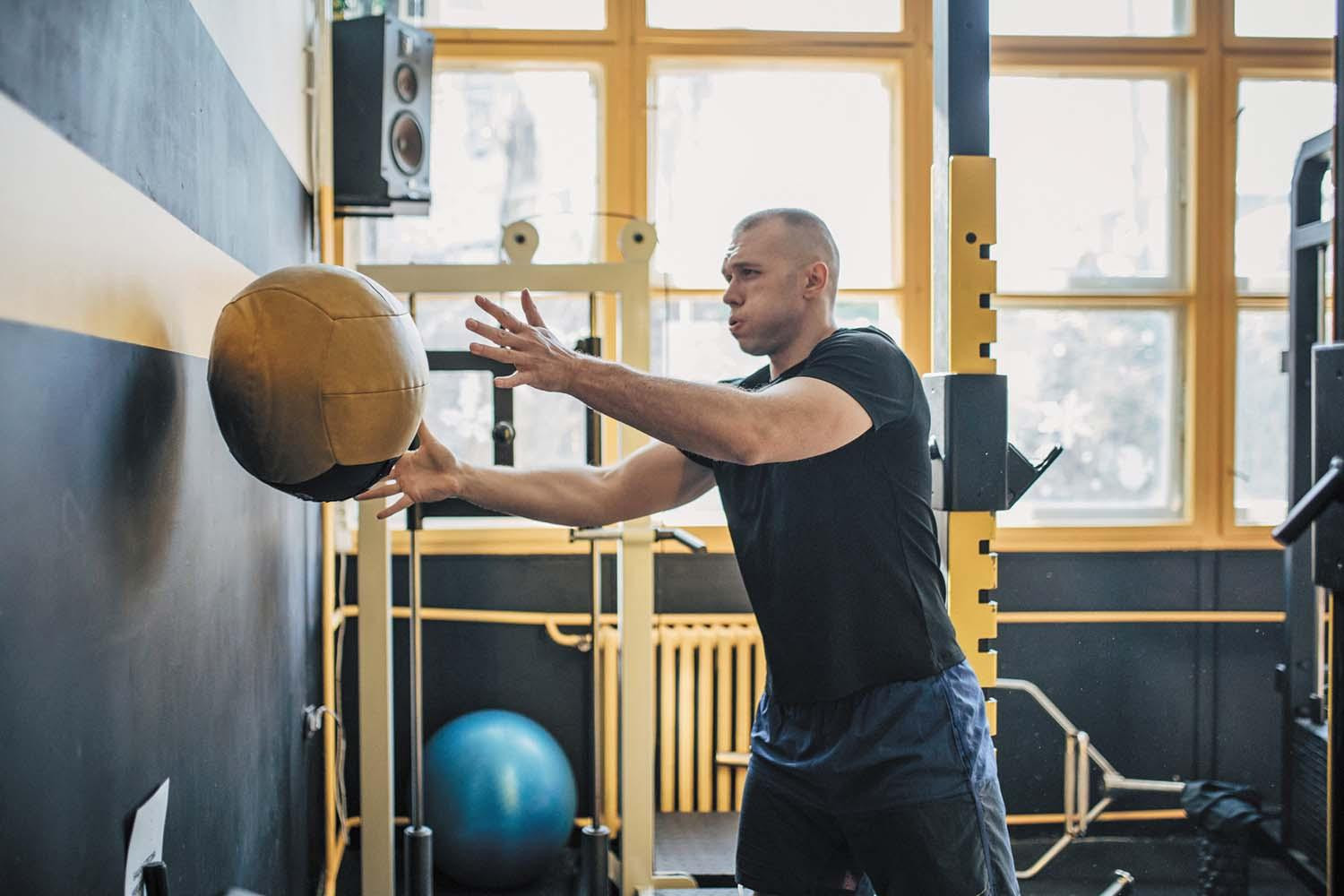
Power play
Power is the ability to generate a large amount of force in a short amount of time. It can help people to properly and safely execute many everyday movements, such as climbing stairs, lifting and carrying heavy objects, twisting, pulling, and throwing. Power also improves movement efficiency and reaction time, helping to prevent injuries from falls. Increasing overall muscle mass with regular strength training and doing plyometric exercises and explosive moves using a medicine ball can help build power.

Why do I feel more clumsy with age?
As people get older, they may get clumsier because of multiple factors such as declining hearing and vision, loss of muscle, balance issues, and chronic health conditions. Addressing these issues can help people avoid injury from falls and other accidents.

Living in the Blue Zone
The Blue Zones are locations in the world where people are regarded as being among the healthiest and longest-lived. They include Okinawa, Japan; Ikaria, Greece; Sardinia, Italy; Nicoya, Costa Rica; and Loma Linda, California. According to some research, most residents of Blue Zones live seven to 10 years longer than the average American and have lower rates of cancer, cardiovascular disease, diabetes, and dementia. These individuals follow certain healthy behaviors related to diet, exercise, and emotional well-being that people can adopt.

Is constant gum-chewing a bad idea?
Evidence suggests that chewing gum can help people feel more focused and less stressed. Chewing sugar-free versions can hinder cavities. But constant gum-chewing can tire jaw muscles, and xylitol-containing gum can trigger abdominal distress.

Fresh-faced through the years
With age, people develop brown spots, wrinkles, and sagging skin. Women are more likely than men to invest money and time to look younger. Sun protection and a variety of skin care products can help, including those containing alpha-hydroxy acids, retinols, vitamin C, and hyaluronic acid. Minimally invasive cosmetic procedures can also ease signs of aging. These include injections of botulinum toxin (Botox) or hyaluronic acid, laser treatments, and chemical peels. Skin care and treatments should be customized to each person.

Solo aging: Who can you rely on?
Solo-agers are people 50 and older who aren't married, don't have children, and live alone. Many of them don't have people they can count on to help them with household tasks or manage their ongoing care, if needed. While solo aging can offer perks, it can also leave older adults vulnerable to deteriorating mental and physical health. Solo-agers may count on help from siblings, neighbors, friends, community groups, or paid help. They can build their support by setting up a buddy system, staying in regular touch with loved ones, and tapping senior programs.
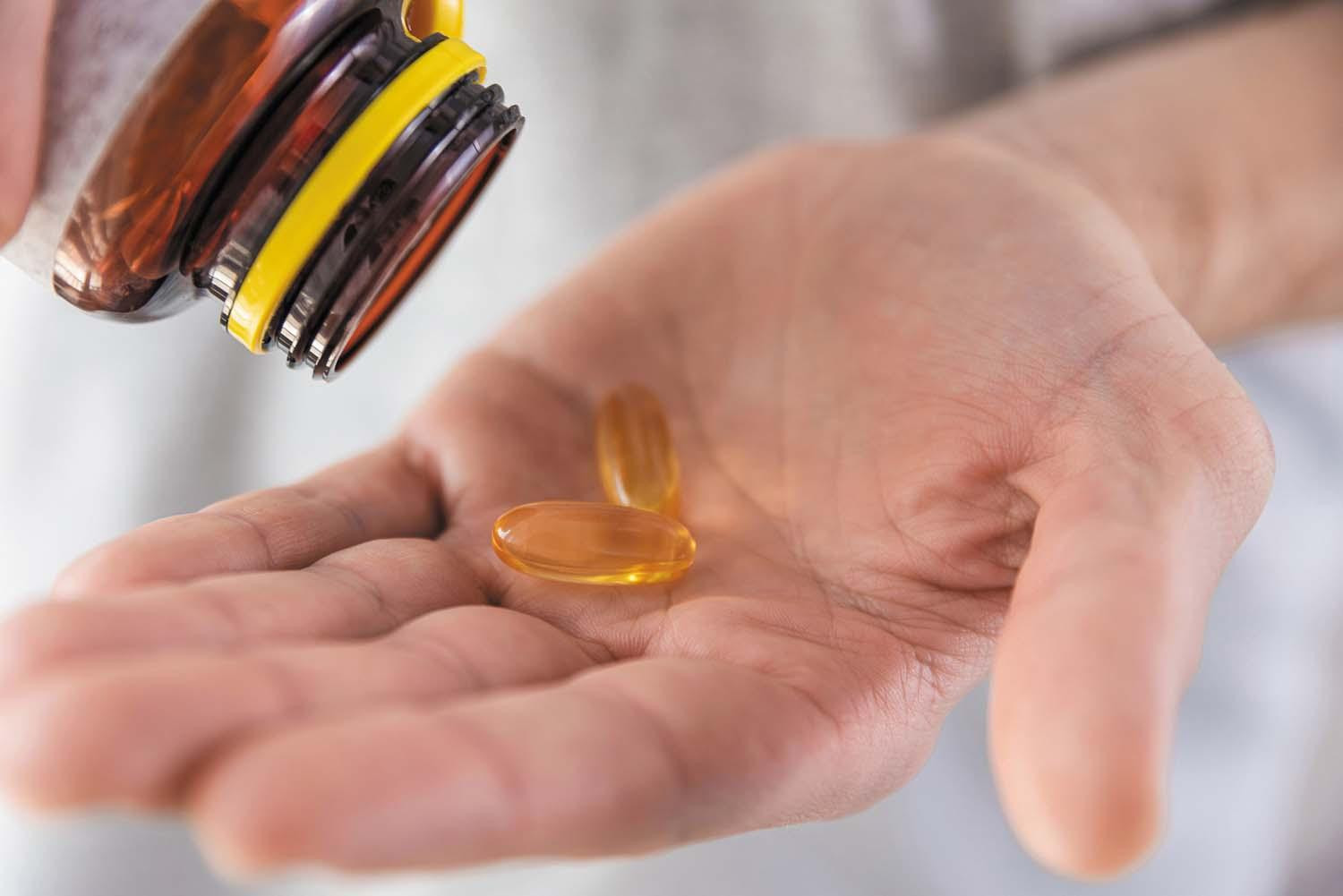
Will vitamin D supplements keep me younger?
In a 2025 randomized trial of about 1,000 people (ages 50 or older), followed for four years, those who took 2,000 international units of vitamin D3 per day showed cellular signs that suggested they were aging more slowly compared with people who did not take the supplement. It’s unclear if this benefit would continue from taking daily pills longer than four years. Scientists do know that taking vitamin D3 supplements is important for people with osteoporosis or with vitamin D deficiency (as determined by a blood test).

When will we see a "one-and-done" flu shot?
Scientists are trying to create a vaccine that would protect people against all different strains of the influenza (flu) virus. These vaccines are being designed to target parts of the flu virus that don't change regularly and so are consistent across all strains. The perfect vaccine would also prevent symptoms (since current vaccines help prevent hospitalization and death, but not symptoms), and its effects would last for a lifetime. While such a vaccine is still many years away from reality, improved flu vaccines are expected in the meantime.

Why does my arm hurt after I get a shot?
Arm tenderness is the most common side effect after vaccination. The injection stretches muscle fibers and triggers an immune response, causing discomfort. People can counter pain by moving the injected arm afterward and applying a cool compress or ice pack.

Why do we need new flu shots every year?
With influenza virus, a new vaccine must be developed each year to adapt to the virus's changing structure.
Even a little exercise linked with lower stroke risk in people with afib
Testosterone therapy without evidence of deficiency may boost heart risk
Weight-loss drug may lower risk of heart attacks and infections
What to eat on the DASH diet
Migraine: How it's diagnosed and what that means
Tricep workouts you can do at home
Mindfulness practices to reduce stress and improve focus
Antihistamines may not offer meaningful relief from eczema symptoms
Overweight and taking blood pressure medications: Study finds it's a trend that's working
FDA approves first mRNA-based flu vaccine
Free Healthbeat Signup
Get the latest in health news delivered to your inbox!
Sign Up
