

Even a little exercise linked with lower stroke risk in people with afib

Testosterone therapy without evidence of deficiency may boost heart risk

Weight-loss drug may lower risk of heart attacks and infections

What to eat on the DASH diet

Migraine: How it's diagnosed and what that means

Tricep workouts you can do at home

Mindfulness practices to reduce stress and improve focus

Antihistamines may not offer meaningful relief from eczema symptoms

Overweight and taking blood pressure medications: Study finds it's a trend that's working

FDA approves first mRNA-based flu vaccine
LGBTQ+ health Archive
Articles

Are eating disorders just a teen problem?
Ask the doctors
Q. My sister, who is in her 50s, has always been very weight-conscious, but she recently went through a divorce and now seems unnaturally fixated on her weight and dieting. She's lost a substantial amount of weight. I've always thought of eating disorders as something that affects teenagers, but is it possible that she has one?
A. It is possible that your sister is suffering from an eating disorder, because they can affect people of any age, including older women, according to the American Psychiatric Association. They may be prompted by stress or a life change, such as a divorce. Signs that may indicate that a person has an eating disorder are



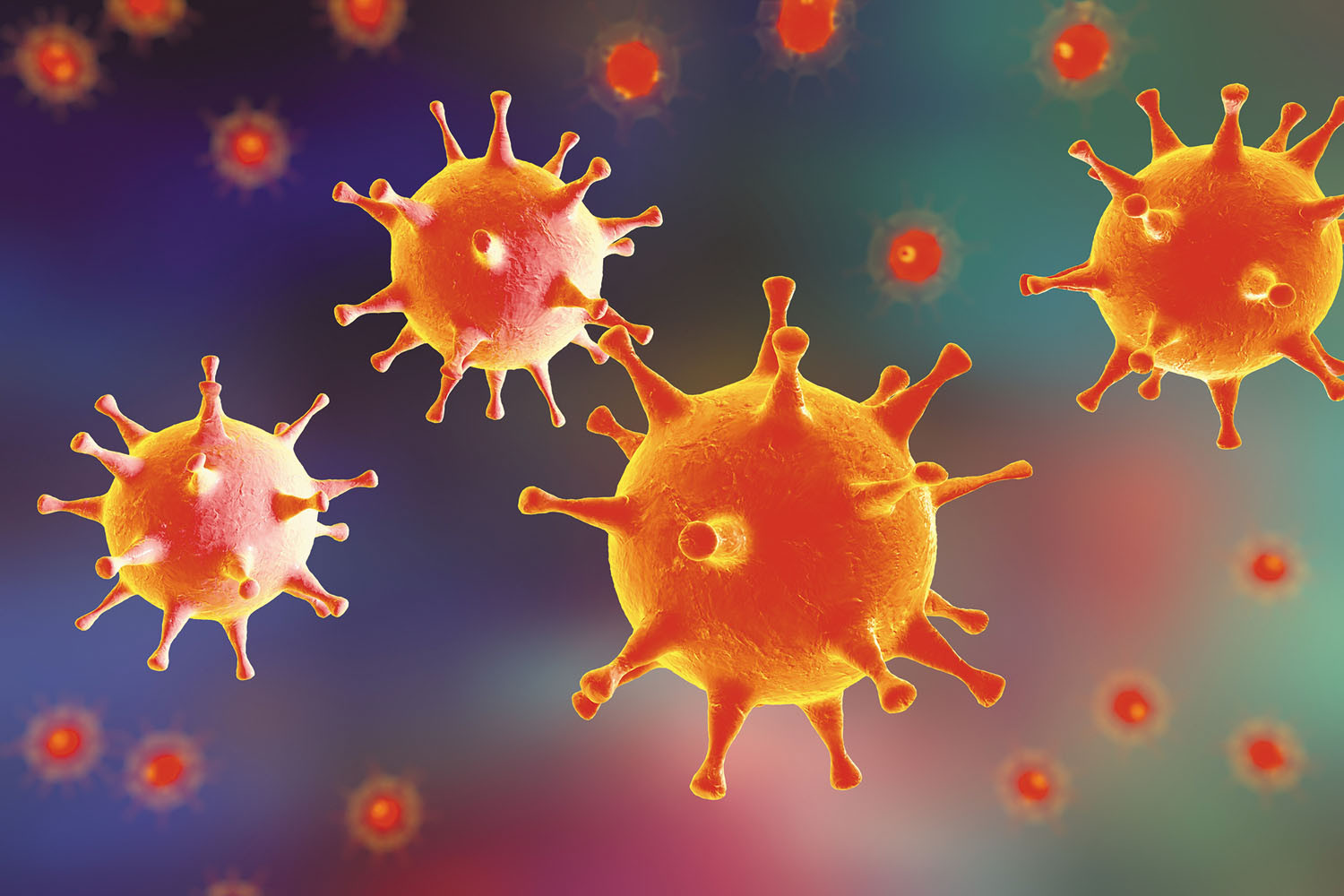
Does a virus cause Alzheimer’s?
Ask the doctor
Image: © Dr_Microbe/Getty Images
Q. I know that some viruses live permanently inside us, but only make trouble now and then. I even heard recently that they might be a cause of Alzheimer's disease. Why do they sometimes cause disease, and can we keep that from happening?
A. We live all of our lives with various microorganisms on us and inside us. One example is the herpes family of viruses. Out of more than a hundred herpesviruses, there are nine that infect humans. Once we get infected with these viruses — usually early in life — they remain with us, "asleep" inside some of our cells. But periodically, they "wake up" (reactivate), start producing multiple copies of themselves, and infect other cells. That's what's happening when a cold sore suddenly forms on your lip.

Antidepressants tied to weight gain
News briefs
Image: © adamkaz/Getty Images
We're learning more about the link between weight gain and several major classes of antidepressants, such as selective serotonin reuptake inhibitors (SSRIs), like sertraline (Zoloft), and tricyclic antidepressants, such as amitriptyline (Elavil). Research has shown that putting on pounds is a possible short-term side effect of the medications. But a study published May 23, 2018, in The BMJ suggests that antidepressants are also associated with sustained weight gain. Researchers analyzed the health information of more than 300,000 people in the United Kingdom (average age 51) who'd had their weight and body mass index measured at doctor appointments between 2004 and 2014. About 18% had been prescribed antidepressants. During the study period, people who took antidepressants had a 21% higher risk for a 5% or greater weight gain, compared with people who didn't take antidepressants. The risk peaked in the second and third years. There was no evidence of weight gain after seven years. The study was observational and didn't prove that antidepressants cause weight gain. But researchers hope the findings will encourage people to talk to their doctors about weight gain as a possible side effect of antidepressants, and plan for potential and even delayed weight gain if they're using the medications.

Your heart’s desire: A daily practice to relieve stress
Every day, carve out a little time to release your worries and relax your mind. It may counteract the heart-damaging effects of stress.
Image: © Photodjo/Getty Images
Stress is an inevitable part of life. People often fret over day-to-day hassles such as traffic jams and unpaid bills, not to mention the relentless news about natural disasters and political crises. Many are also coping with the added anguish of divorce, illness, or death within their families.
All of these so-called psychosocial stresses first take hold in your mind. But the effects spread throughout your brain and body. Sometimes, you can even feel it: your heart pounds, you breathe faster, and your muscles tense. However, chronic stress also has more insidious physical effects that can harm your heart (see "Stress and your cardiovascular system").

Strengthen your mood with weight training
Performing resistance exercises could help ease symptoms of depression.
Pumping iron might inflate not only your muscles, but also your mood, says a study in published in the June issue of JAMA Psychiatry.
The study's authors came to this conclusion after examining the results of 33 randomized clinical trials involving more than 1,800 people. They found that people with mild to moderate depression who performed resistance training two or more days a week saw "significant" reductions in their symptoms, compared with people who did not. The findings also suggested that resistance exercises may be even more beneficial for those with more severe depressive symptoms.
Blood pressure treatment might protect your brain
Research we're watching
Image: © mixetto/Getty Images
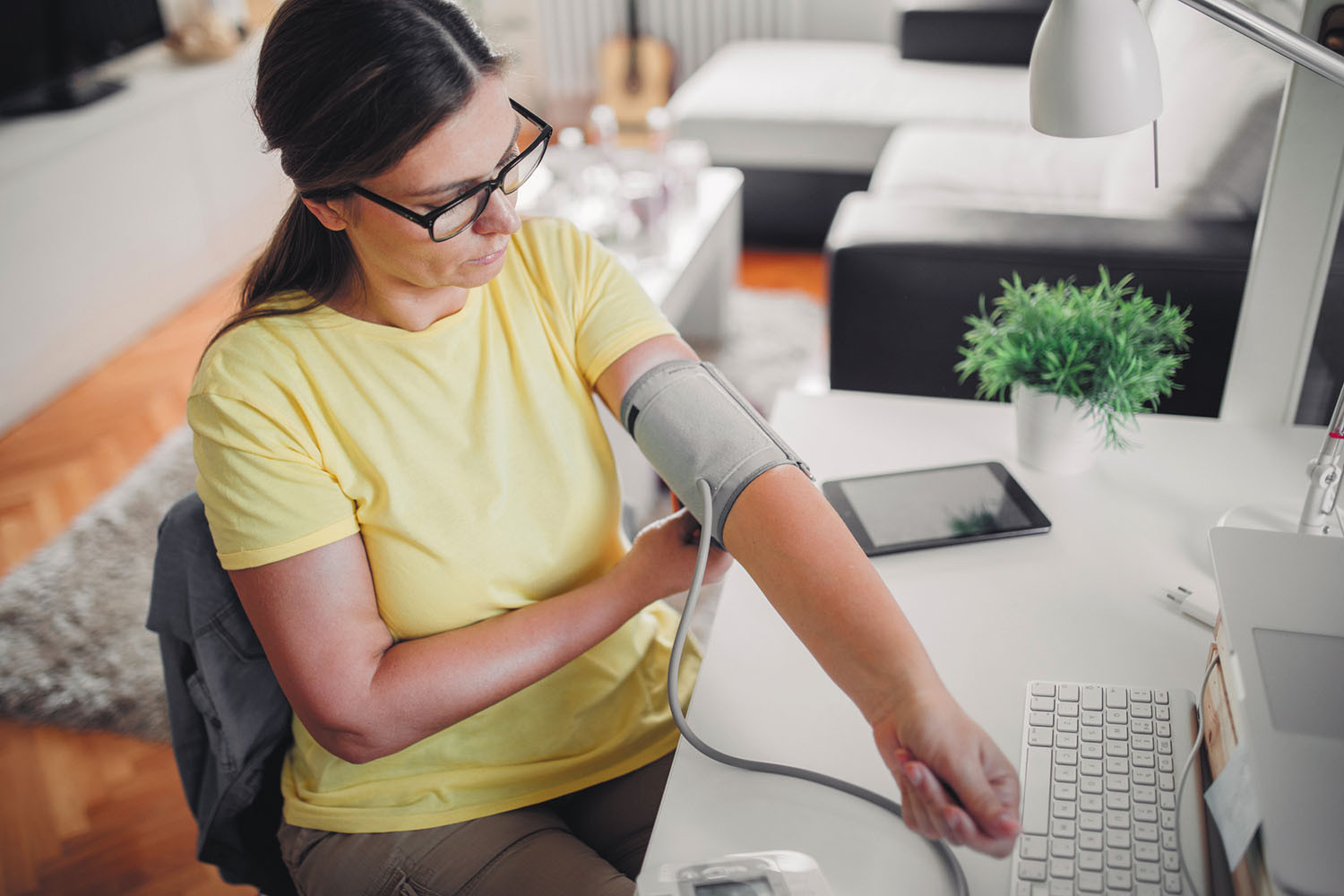
Aggressively treating high blood pressure might help ward off cognitive changes, according to findings presented at the Alzheimer's Association International Conference in July. Researchers from the Systolic Blood Pressure Intervention Trial compared two strategies to manage high blood pressure in more than 9,300 older adults (average age about 68). One strategy aims to achieve the standard treatment level for high systolic blood pressure (the first number in a blood pressure reading), keeping it under 140 mm Hg. The more aggressive strategy sets a goal of less than 120 mm Hg. The aggressive strategy reduced not only heart risks, but seemed to protect the brain.
People in the more aggressively controlled blood pressure group were 19% less likely than those in the standard treatment group to develop new cases of mild cognitive impairment (often a forerunner to dementia). They were also 15% less likely to develop any form of dementia or mild cognitive impairment. This study provides another reason to work with your doctor to reduce high blood pressure.
An introvert’s guide to healthy social engagement
Being more social is linked with greater health benefits, but what if you're not comfortable in the company of others?
Image: © Robert Kirk/Getty Images
Research continues to stress the relationship between social connection and long-term health. Interacting regularly with other people appears to lower your risk for heart disease, depression, and early death.
But what if being social is not who you are? People who are introverts — that is, they prefer time alone over group outings — are often at a disadvantage when it comes to social engagement.
Even a little exercise linked with lower stroke risk in people with afib
Testosterone therapy without evidence of deficiency may boost heart risk
Weight-loss drug may lower risk of heart attacks and infections
What to eat on the DASH diet
Migraine: How it's diagnosed and what that means
Tricep workouts you can do at home
Mindfulness practices to reduce stress and improve focus
Antihistamines may not offer meaningful relief from eczema symptoms
Overweight and taking blood pressure medications: Study finds it's a trend that's working
FDA approves first mRNA-based flu vaccine
Free Healthbeat Signup
Get the latest in health news delivered to your inbox!
Sign Up
