

Even a little exercise linked with lower stroke risk in people with afib

Testosterone therapy without evidence of deficiency may boost heart risk

Weight-loss drug may lower risk of heart attacks and infections

What to eat on the DASH diet

Migraine: How it's diagnosed and what that means

Tricep workouts you can do at home

Mindfulness practices to reduce stress and improve focus

Antihistamines may not offer meaningful relief from eczema symptoms

Overweight and taking blood pressure medications: Study finds it's a trend that's working

FDA approves first mRNA-based flu vaccine
Integrative therapies Archive
Articles

FDA approves antidote to anti-clotting drug
Research we're watching
For people who take anti-clotting drugs such as dabigatran (Pradaxa), one serious downside has been the rare but dangerous risk of uncontrolled bleeding in the event of an accident or urgently needed surgery. But in October, the FDA approved idarucizumab (Praxbind), a drug that quickly reverses the effects of dabigatran. Given by injection into a vein, the drug binds to dabigatran and neutralizes its effect, allowing the blood to clot normally.
Dabigatran was approved in 2010 to prevent strokes (most of which are caused by blood clots in the brain) in people with atrial fibrillation. It's also prescribed to prevent and treat venous thromboembolism. Because idarucizumab works specifically on dabigatran, it can't be used as an antidote for similar anti-clotting medications, which include rivaroxaban (Xarelto), apixaban (Eliquis), and edoxaban (Savaysa). However, an antidote that works on these drugs is under development, with approval expected within the next year or so.

Should you rethink high blood pressure treatment?
Image: Thinkstock
News briefs
Initial results of a large national clinical trial suggest that being more aggressive in treating high blood pressure may save lives. Results of the Systolic Blood Pressure Intervention Trial (SPRINT) aren't yet published, so we don't know all of the details. But from information released by the National Institutes of Health (NIH) in September, it appears that aiming for a systolic (top) blood pressure reading of less than 120 mm Hg may reduce the risk of heart attacks, strokes, and heart failure by almost a third, and reduce the overall death rate by 25%. Researchers came to this conclusion after following more than 9,000 middle-aged and older adults with high blood pressure for several years. Half of the participants took an average of two medications and set a target systolic blood pressure of less than 140 mm Hg, the current recommended number. The other half took an average of three medications and aimed for a systolic blood pressure of less than 120 mm Hg. The results in the lower-target group were so impressive that NIH stopped the study early to share the news. Does this mean you should add more pills to your blood pressure treatment? "Not necessarily, because there may be more drug side effects. But if you're aiming for a lower number, I think it will be critical to rely on lifestyle modification, such as stress reduction, diet, salt restriction, and exercise, in addition to medication to lower blood pressure," says Dr. Randall Zusman, a cardiologist and Harvard Medical School associate professor.

Heartburn medications and the heart
| Image: ThinkStock |
Ask the doctor
Q. I've read news reports that the heartburn drug I take may cause heart attacks. Should I worry about this?
A. Several studies have reported an association between proton-pump inhibitors (PPIs) and heart attacks. PPIs are medications for heartburn, such as omeprazole (Prilosec) and pantoprazole (Protonix). Overall, however, the evidence suggests these medications are not risky for your heart.

Boot camp for better sleep
Image: Bigstock
Do you worry yourself awake frequently? Cognitive behavioral therapy can help.
If you have trouble getting to sleep and staying asleep, that's insomnia. It happens to everyone from time to time. But it can also become a chronic problem. For some men, fretting about whether they will be able to sleep—and the emotional upset of not being able to when they try—can itself become the root cause of insomnia.

Yohimbe supplements found to be dangerously strong
| Image: Bigstock |
In the journals
Dietary supplements containing the herbal ingredient yohimbe often contain prescription-strength active ingredients that are potentially dangerous, according to a study in Drug Testing and Analysis.
Scientists analyzed 49 popular brands of supplements with yohimbe. They found evidence that 39% of the products tested appeared to contain a pharmaceutical-grade extract of the herb.

New recommendation narrows heart benefit from low-dose aspirin
Image: Bigstock
In the journals
The influential U.S. Preventive Services Task Force (USPSTF) has endorsed low-dose daily aspirin to prevent cardiovascular disease in people ages 50 to 59 who have a 10% or greater chance of heart attack or stroke in the next 10 years. Unless a person already has cardiovascular disease, the actual number of heart attacks and strokes prevented with daily aspirin is relatively small. This draft recommendation did not recommend aspirin for those younger than 50 or 60 or older, citing insufficient evidence to make a recommendation.
The USPSTF statement is at odds with a statement in 2014 by the FDA that evidence does not support general use of aspirin to prevent a first heart attack or stroke in otherwise healthy adults. However, daily aspirin is often recommended for those with a history of cardiovascular disease, since the potential benefit (preventing heart attacks and strokes) outweighs the risk of bleeding that comes with regular aspirin use.
Will Prozac help my premenstrual depression?
Ask the doctor
Q. I've had some severe bouts of depression before my periods. I have done my own research and I am willing to try an antidepressant. What dosage of Sarafem or Prozac is usually given to treat this?
A. Selective serotonin reuptake inhibitors (SSRIs) are an excellent option for treating premenstrual syndrome (PMS) and premenstrual dysphoric disorder (PMDD). In fact, most physicians now consider them first-line therapy. Many different SSRIs have been studied, including the one you asked about—fluoxetine (Prozac or Sarafem)—and they all appear to be equally effective.

Study suggests tai chi improves life for people with chronic health problems
Image: Thinkstock
Research we're watching
An analysis published online Sept. 17, 2015, by the British Journal of Sports Medicine suggests that doing tai chi enhances the quality of life for people with common chronic conditions.
Researchers analyzed data from 33 studies involving nearly 1,600 adults. Most were in their 60s or 70s, and all had one or more chronic conditions: osteoarthritis, breast cancer, heart failure, or chronic obstructive pulmonary disease (COPD). All 290 participants in the breast cancer studies were women. There were 452 women (85% of participants) in the arthritis studies, 76 (16%) in the heart failure studies, and 92 (19%) in the COPD studies.
Can you find a good night’s sleep at the drugstore?
Almost everyone suffers from trouble sleeping at one time or another. Insomnia — defined as trouble falling asleep or staying asleep — isn't a single disorder itself, but rather a general symptom, like fever or pain.
Because insomnia is so common, you can walk into any drugstore and find a bewildering variety of over-the-counter sleep products. And people are buying them. One small survey of people ages 60 and over found that more than a quarter had taken nonprescription sleeping aids in the preceding year — and that one in 12 did so daily.
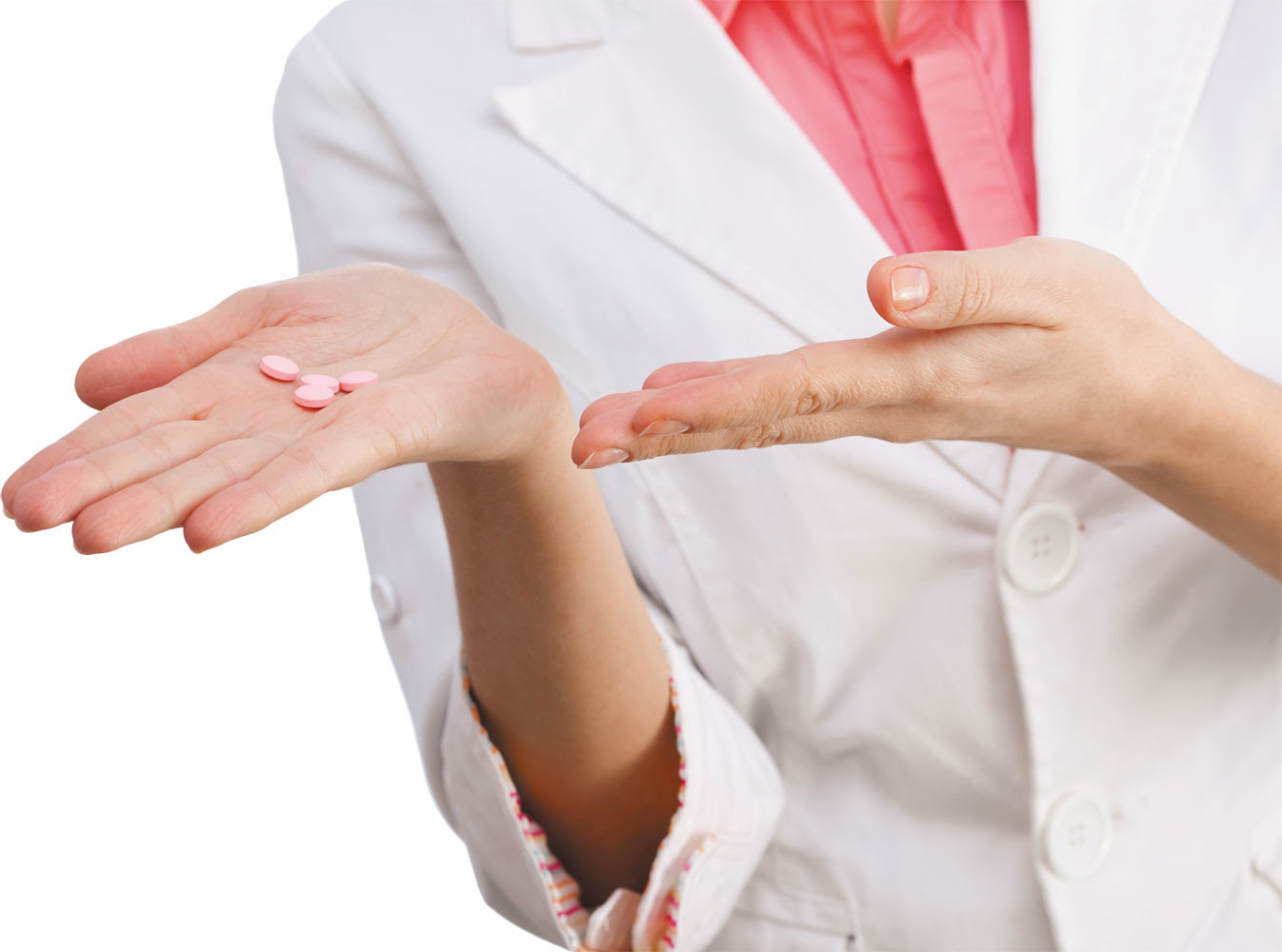
Addyi is not a "female Viagra," but it can open an important discussion
Many of my patients, colleagues, friends, and even neighbors have asked me about the new drug flibanserin (Addyi), which the FDA recently approved for treatment of low sexual desire in women. Flibanserin has generated more questions, comments, and media inquiries for me than I've ever experienced in my 20-year career as an obstetrician/gynecologist. While there are several medications that improve sexual function in men (including Viagra, the most famous one), flibanserin is the first to be approved for that purpose in women. Here are what I consider the relevant facts about flibanserin, and what I say to my patients.
The "pink pill" works differently than the "blue pill"—Viagra. Image: Thinkstock |
Even a little exercise linked with lower stroke risk in people with afib
Testosterone therapy without evidence of deficiency may boost heart risk
Weight-loss drug may lower risk of heart attacks and infections
What to eat on the DASH diet
Migraine: How it's diagnosed and what that means
Tricep workouts you can do at home
Mindfulness practices to reduce stress and improve focus
Antihistamines may not offer meaningful relief from eczema symptoms
Overweight and taking blood pressure medications: Study finds it's a trend that's working
FDA approves first mRNA-based flu vaccine
Free Healthbeat Signup
Get the latest in health news delivered to your inbox!
Sign Up
