

Even a little exercise linked with lower stroke risk in people with afib

Testosterone therapy without evidence of deficiency may boost heart risk

Weight-loss drug may lower risk of heart attacks and infections

What to eat on the DASH diet

Migraine: How it's diagnosed and what that means

Tricep workouts you can do at home

Mindfulness practices to reduce stress and improve focus

Antihistamines may not offer meaningful relief from eczema symptoms

Overweight and taking blood pressure medications: Study finds it's a trend that's working

FDA approves first mRNA-based flu vaccine
Inflammatory bowel disease (IBD) Archive
Articles
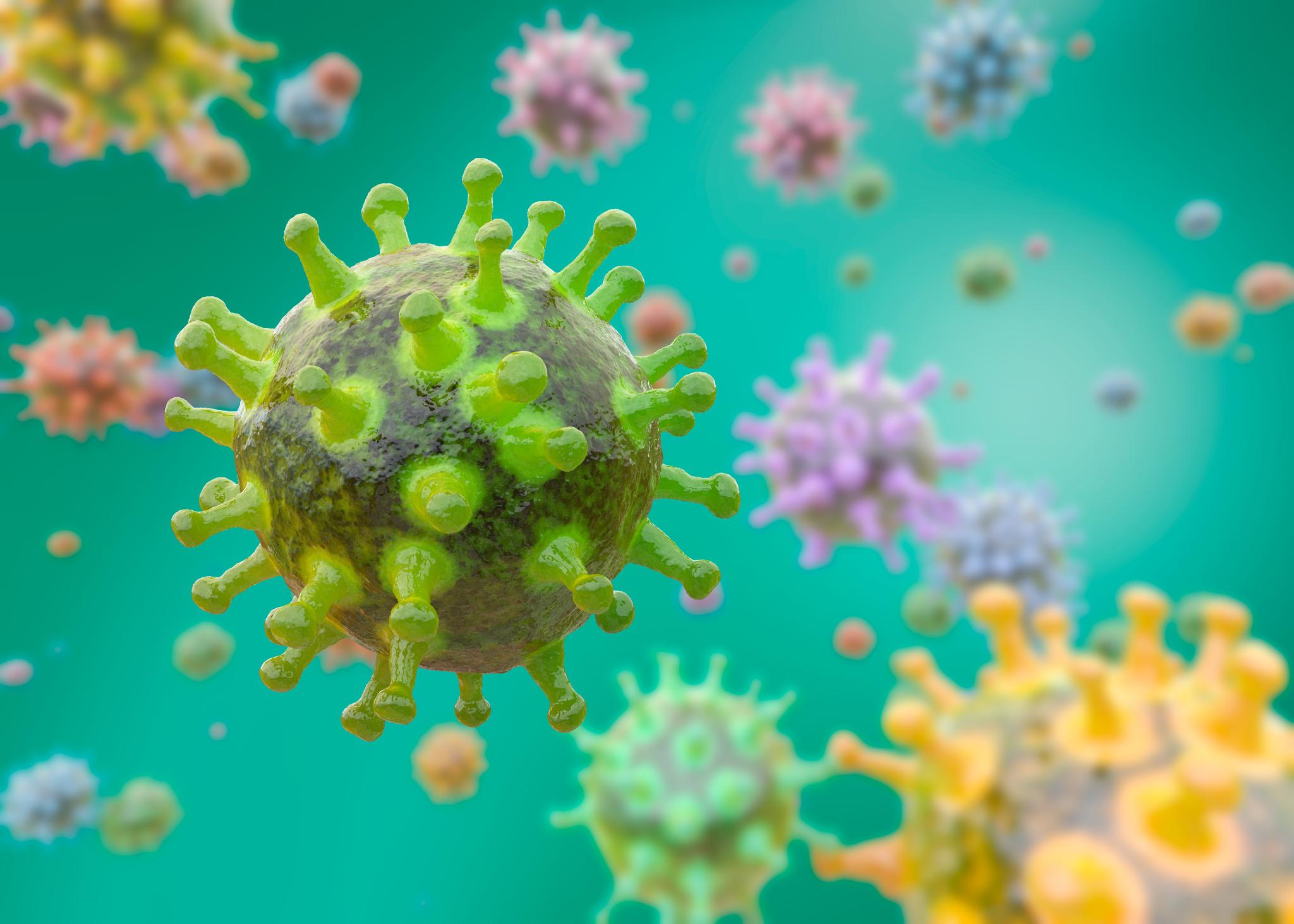
Video: What you should know about germs
Your immune system constantly defends you from harmful germs like bacteria and viruses, but your body also hosts trillions of helpful microbes-your microbiome-that live on your skin, in your gut, and elsewhere. These "good" germs help digest food, make vitamins, protect you from harmful invaders, and help regulate inflammation.

What to do about sinusitis
Sinusitis occurs when blocked sinuses cannot drain and the backed-up mucus gets infected. The simplest and often most effective treatment is daily nasal irrigation. It can also help to drink a lot of water, inhale steam, and sleep with the head elevated.
Is mono a kids' virus only?
The Epstein-Barr virus that causes mononucleosis (mono) usually infects people during their childhood or the teenage years. The virus stays with people for life.

The dos and don'ts of managing diverticular disease
People who have diverticular disease have tiny pouches (diverticula) in the lining of the colon that can bleed or perforate and develop infection (called diverticulitis). People with diverticular disease should eat a healthy diet rich in fiber, drink lots of water, exercise regularly, maintain a healthy weight, not smoke, avoid straining in the bathroom, and report bleeding or pain to a doctor. However, it's not necessary to avoid eating nuts, seeds, or popcorn, which were once believed to lodge in diverticula and cause problems. That old advice turned out to be wrong.

Are do-it-yourself microbiome tests helpful?
Home microbiome tests are pricey and not yet scientifically reliable. Stay on top of your gut health by skipping the test and focusing instead on following a fiber-rich, Mediterranean-style diet that minimizes meat and processed foods.

What to do about gallstones
Women under 40 are at much greater risk of developing gallstones than men, due to the actions of the hormones estrogen and progesterone.

They found colon polyps: Now what?
After removal of precancerous growths (polyps) in the colon, return for a follow-up colon exam in three, five, or 10 years, depending on the number and types of growths that the doctor found and removed. A healthy diet can help prevent cancer.

Is something in your diet causing diarrhea?
Diarrhea may be caused by a number of factors. When it comes to diet, foods that are sugary, fatty, spicy, or fried can cause loose stools or make them worse. Dairy foods and foods with gluten can also cause loose stools.

Can pernicious anemia be treated with vitamin B12 pills instead of injections?
Monthly vitamin B12 shots for pernicious anemia can be a hassle. Explore whether high‑dose vitamin B12 pills or other non‑injection treatments might be an option.
Could bowel troubles after dairy mean irritable bowel syndrome?
Dairy-related diarrhea, constipation, and ongoing gut discomfort may point to irritable bowel syndrome (IBS), lactose intolerance, or another condition.
Even a little exercise linked with lower stroke risk in people with afib
Testosterone therapy without evidence of deficiency may boost heart risk
Weight-loss drug may lower risk of heart attacks and infections
What to eat on the DASH diet
Migraine: How it's diagnosed and what that means
Tricep workouts you can do at home
Mindfulness practices to reduce stress and improve focus
Antihistamines may not offer meaningful relief from eczema symptoms
Overweight and taking blood pressure medications: Study finds it's a trend that's working
FDA approves first mRNA-based flu vaccine
Free Healthbeat Signup
Get the latest in health news delivered to your inbox!
Sign Up
