

Naturally gluten-free foods

Harvard study: Healthier fats linked to longer life after prostate cancer diagnosis

Shingrix shingles vaccine linked with lower heart disease risks

Estrogen-only hormone therapy tied to lower dementia risk
Should you have a hysterectomy?

Stair climbing may significantly lower cardiovascular risks

Why do I sweat so much?

Walking pneumonia: The "mild" illness that can still pack a punch

What causes knee pain: How doctors make a diagnosis

Where you carry excess weight matters in predicting heart disease risk
Heart Health Archive
Articles

When the blood supply to the kidneys suffers
The renal arteries, which supply blood to the kidneys, can become narrowed or blocked—a condition known as renal artery stenosis. Image: Thinkstock |
Fatty plaque in the arteries that feed the kidneys poses a danger to the heart and brain.

Do blood pressure drugs raise your risk of a fall?
Some research has suggested that older people who take blood pressure medications may be prone to falls, perhaps because the drugs make them dizzy or lightheaded when they stand up. But a new study in the May 2015 Hypertension found no increased risk of falls in people taking blood pressure drugs.
For the study, nearly 600 people with chronic high blood pressure reported their falls to researchers via mail-in postcards and phone calls. Almost half of the participants, whose average age was 78, reported one or more falls during the yearlong study. Neither standard nor high doses of blood pressure drugs were linked to falls. In fact, people who took two commonly prescribed types of blood pressure medications—ACE inhibitors and calcium-channel blockers—had a lower rate of falling compared with people not taking those drugs. Given the known benefits of treating high blood pressure in older people, the authors say, withholding blood pressure medication for fear of causing a fall may not make sense.

Serious side effects are uncommon after heartburn treatment
Serious health problems are uncommon after drugs or surgery to treat chronic heartburn, according to a recent study in Alimentary Pharmacology and Therapeutics. Many men take acid-reducing drugs called proton-pump inhibitors (PPIs), such as omeprazole (Prilosec, others) and lansoprazole (Prevacid), for chronic heartburn. One alternative is a surgical procedure to tighten the entrance to the stomach and prevent acidic stomach contents from backing up into the esophagus.
The new study drew on findings from two different clinical trials that tracked the health of people treated with either drugs or surgery. One trial involved about 300 people who were followed for up to 12 years; the other involved about 500 people who were followed for five years.


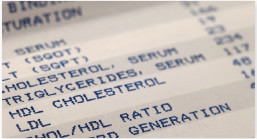
Know your triglycerides: Here's why
The level of triglycerides in the blood, like measurements of "bad" cholesterol, helps to gauge your risk for heart disease. Image: Thinkstock |
High levels of these fatty particles in the blood means you may need to step up healthy lifestyle changes.

How a sleep shortfall can stress your heart
Getting less than six hours of sleep on a regular basis can boost levels of stress hormones, which can strain your cardiovascular system. |
Find out if your sleeping habits put you at risk—and what to do about it.

Ask the doctor: Donating blood if you have heart disease
If you have heart disease, you must meet certain criteria to donate blood. Image: Thinkstock |
Q. I have heart disease but would like to donate blood. Is it safe?

Height and heart disease: A genetic connection
Shorter people are more likely than taller people to have clogged heart arteries. New research suggests that part of the reason for this long-held observation lies in our genes.
Earlier research identified 180 spots on the genome that vary according to a person's height. For the new study, researchers scrutinized the genes of nearly 200,000 people to see whether those with genetic traits for short stature also had a higher risk for heart disease. For a person who is 2.5 inches shorter than average, the risk of heart disease increases by about 13.5%. The shorter a person is, the greater the effect. A small number of the height-related genetic variants had clear connections to heart disease, such as links to some genes that affect levels of artery-clogging fats in the blood. But these accounted for only a third of the effect. That means that most of the heart disease risk related to being short is tied to other factors that remain elusive. The findings appeared in the April 23, 2015, New England Journal of Medicine.

More people are using aspirin therapy
Daily aspirin use has increased among U.S. adults, according to a survey published May 2015 in the American Journal of Preventive Medicine. The survey asked more than 2,500 people ages 45 to 75 about their current aspirin use. The overall use was 52%, up from 41% in a similar survey in 2004. The most common reasons for taking daily aspirin were prevention of heart attack and stroke. Eighteen percent of aspirin users cited cancer prevention as their reason for taking aspirin. And while most users said they'd talked to their doctor before starting aspirin therapy, 25% of the respondents had not. That finding is troubling, since aspirin is a blood thinner. "Aspirin can increase the risk of bleeding in the brain or elsewhere in the body. This risk might be justified if there is a good reason for aspirin use, but might be entirely unjustifiable if not. That is why I always recommend discussing any medication or supplement use with one's primary care provider," says Dr. Natalia Rost, associate professor of neurology at Harvard Medical School.
Image: Thinkstock
Naturally gluten-free foods
Harvard study: Healthier fats linked to longer life after prostate cancer diagnosis
Shingrix shingles vaccine linked with lower heart disease risks
Estrogen-only hormone therapy tied to lower dementia risk
Should you have a hysterectomy?
Stair climbing may significantly lower cardiovascular risks
Why do I sweat so much?
Walking pneumonia: The "mild" illness that can still pack a punch
What causes knee pain: How doctors make a diagnosis
Where you carry excess weight matters in predicting heart disease risk
Free Healthbeat Signup
Get the latest in health news delivered to your inbox!
Sign Up
