

Fatty liver disease: Should you be tested?

Weight-loss drug may lower risk of heart attacks and infections

Testosterone therapy without evidence of deficiency may boost heart risk

Even a little exercise linked with lower stroke risk in people with afib

Antihistamines may not offer meaningful relief from eczema symptoms

What to eat on the DASH diet

Tricep workouts you can do at home

FDA approves first mRNA-based flu vaccine

Migraine: How it's diagnosed and what that means

Mindfulness practices to reduce stress and improve focus
Healthy eating for older adults Archive
Articles

Strategies for taking medications
Doctors may prescribe medications in hopes of helping a patient, but statistics show that at least half of all patients do not follow through with the treatment. Dr. Robert Schmerling explains why some people are choosing to skip taking medications and the possible results of not taking them.
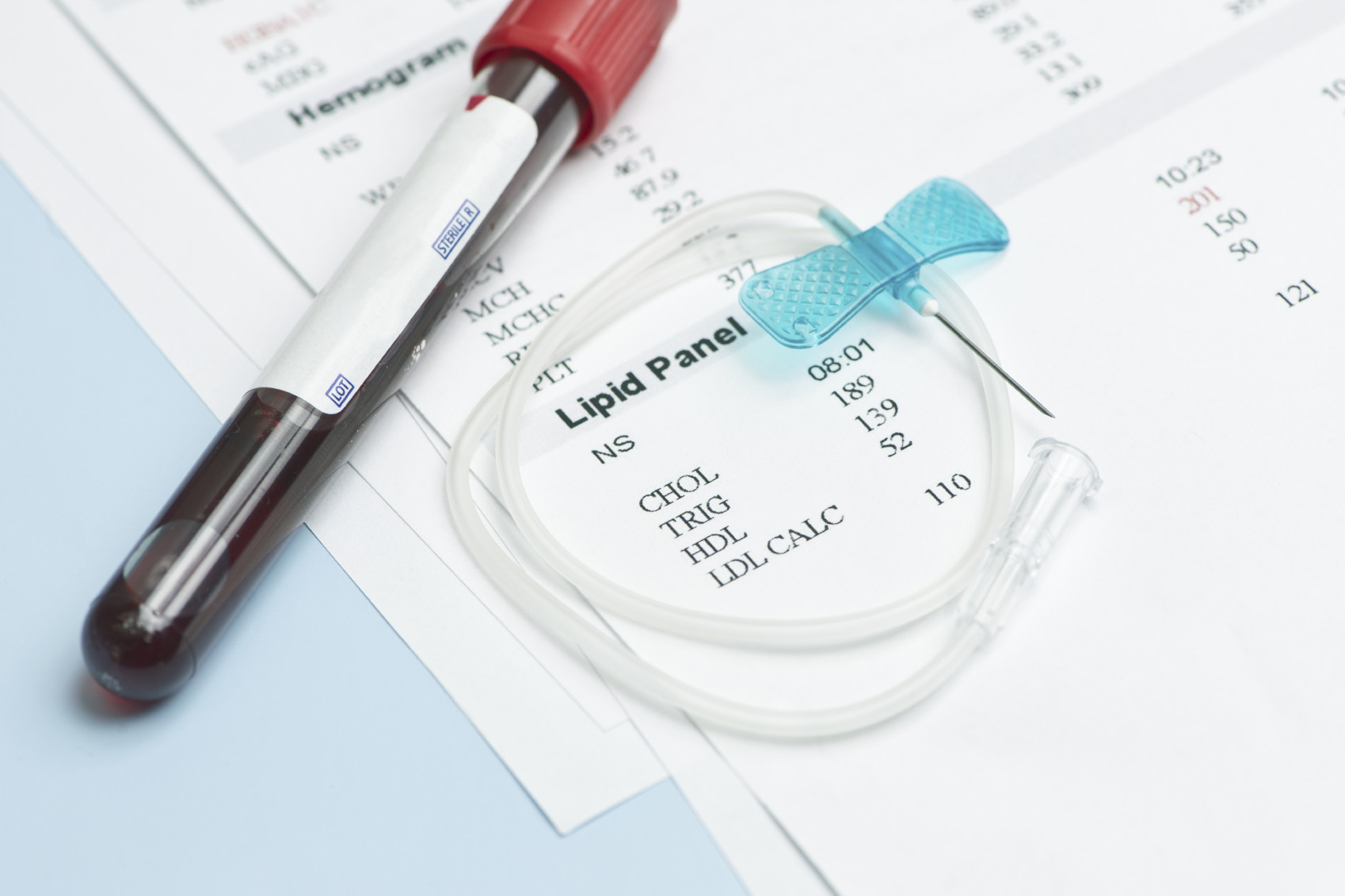

Your blood work, on the edge of normal
What to do when routine test results are at the high or low end of the acceptable range.
Catching early changes in blood work may help prevent chronic disease, such as diabetes.
Image: Ca-ssis/Thinkstock
As a smart medical consumer, you know it's important to look over the results of your routine blood work, even when the numbers are all within the normal range. But what if you notice that some results are at the high or low end of that range? Should you be concerned about this?

Is an underlying condition causing your fuzzy thinking?
The top five causes you may be overlooking.
Image: the-lightwriter/iStock
You know the feeling: you can't find a particular word, remember someone's name, or concentrate the way you once did. Is it just aging, or is something else to blame? "It's easy to underestimate how underlying conditions affect memory and thinking, and they are often overlooked," says Dr. Shreya Raj, a neuropsychiatrist with the Center for Brain/Mind Medicine at Harvard-affiliated Brigham and Women's Hospital.
Common causes
What you should do
When trouble with concentration or memory interferes with your day, it's probably time to talk to your primary care doctor. Report any additional symptoms you may be having, such as fatigue, muscle weakness, sadness, daytime sleepiness, or anxiety. You might need some blood tests to check your thyroid hormones or B12 levels (neither test is ordered routinely), or a sleep test if you have sleep apnea symptoms.
Often, treating an underlying condition can restore your clarity of thinking. "When we treat depression or sleep apnea, for example, we see a sudden improvement in memory and focus," says Dr. Raj. "And if a medication side effect is the problem, changing the dose or type of drug may resolve the problem."
If treating an underlying condition doesn't sharpen thinking skills, your doctor may refer you to a neuropsychologist for formal tests of your thinking ability, particularly signs of dementia. Most of the time, however, people with fuzzy thinking do not have dementia.
Fuzz bustersWhen you're struggling with fuzzy thinking, lifestyle changes like these can bring more clarity. Get more sleep. Aim for seven to eight hours of sleep per night. "Older adults to tend to sleep less, but if you're getting too little sleep, you won't think as sharply as you could," says Dr. Shreya Raj. Boost your Z's by going to sleep and waking at the same time each day, and avoiding caffeine, particularly after noon. Exercise more. Try to get 150 minutes of moderate-intensity activity per week, such as brisk walking. You'll get more sleep and boost blood flow to the brain. Many studies have shown that aerobic exercise in particular improves thinking skills. Change your diet. "Not eating healthfully makes you more sluggish, even in thinking. Studies have shown the Mediterranean diet may improve cognitive function," says Dr. Raj. The diet includes fresh vegetables and fruits; whole grains; olive oil; nuts; legumes; fish; moderate amounts of poultry, eggs, and dairy; moderate amounts of red wine; and red meat only sparingly. Image: JackF/Thinkstock |
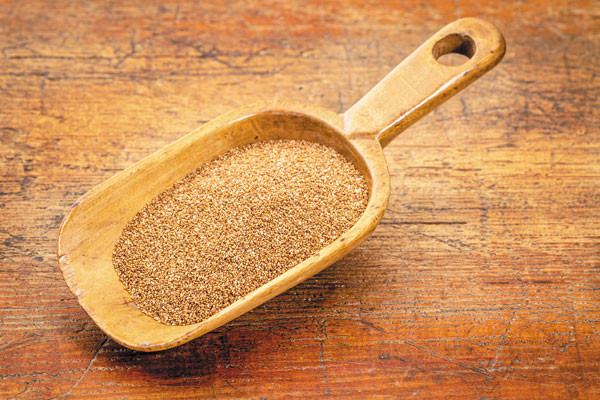
Try the hot trend in whole grains
Ancient grains have become the darlings of the culinary world, and they're healthy, too.
Image: marejuliasz/Thinkstock
In recent years, whole wheat has gotten all the glory when it comes to adding grains to your diet. But today's superstars are the staples used long before wheat took center stage. They're called ancient grains.
"Modern wheat, rice, and corn have been processed through hybridization or genetic modification. Ancient grains have not; they've been grown the same way for centuries," says Debbie Krivitsky, a registered dietitian at Harvard-affiliated Massachusetts General Hospital.

Botox injections get another nod for treating migraine headaches
In its 2016 guidelines, the American Academy of Neurology recommended the use of onabotulinumtoxin A (Botox) injections as a way to help reduce the frequency of chronic migraines.

Step lively with walking
With an emphasis on proper speed and form, a regular walking routine can make great strides toward improving your health.
A dedicated walking program can be your main source of exercise.
Image: iStock
Walking is the oldest exercise, but nowadays it tends to be recommended only for people who have trouble staying active, have mobility issues, or are recovering from an injury or surgery. Yet you should rethink the role walking can play in your overall fitness.
How much weight loss is cause for concern?
It is normal to lose some weight as a person ages. In fact, an estimated 10% to 20% of men older than age 65 lose 5% or more of their body weight over the rest of their lifetime. However, losing 5% of total weight in one year or 10% over two years warrants some medical testing.
Are there any advantages to human growth hormone?
The hype around human growth hormone (HGH) comes from a few studies that showed HGH injections can increase lean body mass and shrink body fat, which led to claims of HGH as an “anti-aging” hormone. Yet, the benefits of HGH supplementation for older adults are unproven, and there are concerns about potential side effects.
Fatty liver disease: Should you be tested?
Weight-loss drug may lower risk of heart attacks and infections
Testosterone therapy without evidence of deficiency may boost heart risk
Even a little exercise linked with lower stroke risk in people with afib
Antihistamines may not offer meaningful relief from eczema symptoms
What to eat on the DASH diet
Tricep workouts you can do at home
FDA approves first mRNA-based flu vaccine
Migraine: How it's diagnosed and what that means
Mindfulness practices to reduce stress and improve focus
Free Healthbeat Signup
Get the latest in health news delivered to your inbox!
Sign Up
