
Fatty liver disease: Should you be tested?

Weight-loss drug may lower risk of heart attacks and infections

Testosterone therapy without evidence of deficiency may boost heart risk

Even a little exercise linked with lower stroke risk in people with afib

Antihistamines may not offer meaningful relief from eczema symptoms

What to eat on the DASH diet

Tricep workouts you can do at home

FDA approves first mRNA-based flu vaccine

Migraine: How it's diagnosed and what that means

Mindfulness practices to reduce stress and improve focus
Healthy eating for older adults Archive
Articles

The longer you carry extra pounds, the higher your cancer risk, study suggests
Degree and duration of overweight were linked with an increased risk of several cancers among 74,000 participants in the Women’s Health Initiative.

Reading books may add years to your life
An analysis of records of 5,635 participants in the Health and Retirement Study linked regular book reading with a 20% reduced risk of dying over a 12-year period.

Why sitting may be hazardous to your health
Interrupting sedentary time with short bouts of exercise may diminish the dangers of inactivity.
Image: Image_Source_/iStock
Every time we think we have a handle on all the things that are bad for us, another one is added to the list. A few years ago, researchers put inactivity on the roster of major health risks. "Everybody knows smoking is bad for your health. But what isn't common knowledge is that physical inactivity is as powerful a risk factor as smoking," says Dr. I-Min Lee, professor of medicine at Harvard Medical School. Dr. Lee, who has studied the effects of exercise for more than a decade, was one of the first to identify inactivity as a health hazard.
Dr. Lee was among the experts contributing to a special issue on health and exercise of the British journal The Lancet commemorating the 2012 Olympic Games in London. She and her colleagues pored over reports from scores of large observational studies conducted worldwide in which participants answered questions about their lifestyles, including their levels of physical activity, and were then followed over a period of years to see how they fared. When the researchers compared the health outcomes of participants who were inactive—those getting less than 150 minutes a week of moderate exercise—to those who got more exercise, they found that inactivity alone counted for an increased risk of breast and colon cancers as well as heart disease and diabetes. They computed that inactivity was responsible for more than five million deaths a year worldwide, about the same as the number of deaths attributable to smoking.
Can I substitute nuts for animal protein?
Nuts are a good source of plant fats and protein, but they are high in calories. It’s a good idea to limit nut consumption to 1 ounce per day.

Is flossing really necessary?
The benefits of flossing haven’t been verified in randomized clinical trials. However, health authorities still recommend it for preventing disease-causing plaque.

4 things you can do to alleviate caregiver stress
If you are taking care of a loved one, you need to take special care of yourself, too. There are resources to help you.
Image: Bigstock
More than 65 million Americans—two-thirds of whom are women—are taking care of a disabled or ailing family member. If you're among them, you're well aware that caring for a loved one can be one of the most rewarding experiences in life, but it can also be one of the most challenging, especially to your own health.
"We know family caregivers are under a particular amount of stress. And stress over time can cause them to become ill," says Dr. Diane Mahoney, Jacque Mohr Professor of Geriatric Nursing Research at MGH Institute of Health Professions, an academic affiliate of Massachusetts General Hospital. In fact, more than 20% of caregivers report that their health has suffered as a result of their responsibilities.
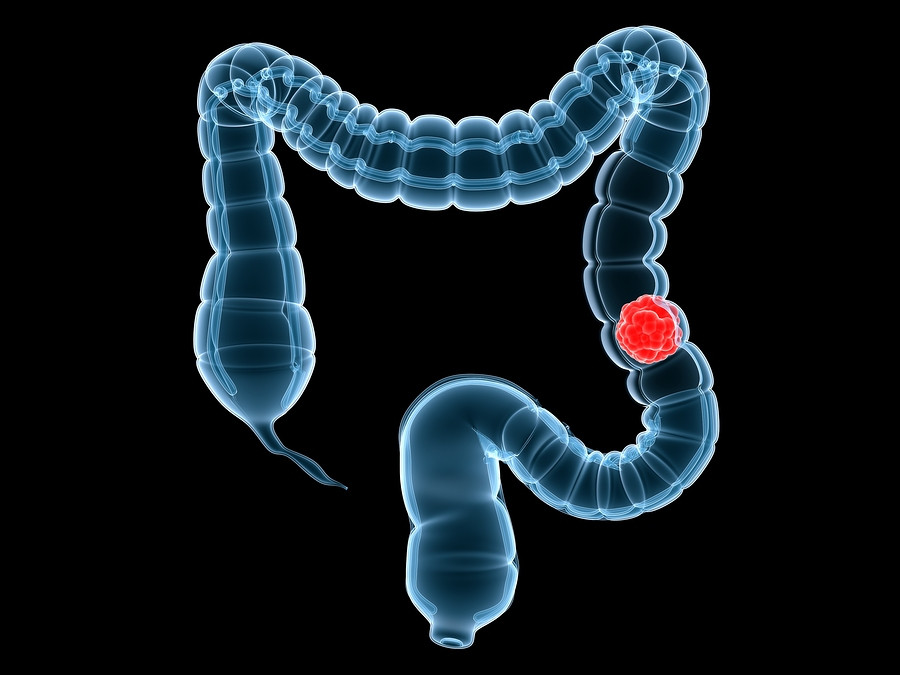
A new look at colon cancer screening
Don't be intimidated about screening tests. The latest guidelines suggest you can choose from multiple strategies.
Image: Bigstock
Colon cancer continues to be the country's second leading cause of cancer-related deaths and the third most common cancer in men, according to the CDC.
It almost always develops from precancerous polyps (abnormal growths). Screening tests, which are recommended for men ages 50 to 75, help find and sometimes aid removal of polyps before they become cancer. (Men older than 75 may still benefit, depending on their health.)

The lowdown on low sodium
Here's how to keep your daily salt intake in check.
Image: Mark Poprocki/Thinkstock
Most men probably consume too much sodium, and new federal guidelines are aimed at helping them curb their habit.
The FDA advises no more than 2,300 milligrams (mg) of sodium daily—the amount in about 1 teaspoon of salt. (People with prehypertension and hypertension should limit their intake to 1,500 mg, roughly the amount in 3/4 tea-spoon of salt.)

Step lively with healthier feet
Keep your feet strong and you'll stay more active.
Image: Gualtiero Boffi/Thinkstock
Socrates may have been the first to equate healthy feet with quality of life when he famously said, "When one's feet hurt, one hurts all over." His observation rings true even millennia later.
"As you age, healthy feet become even more important for staying mobile, active, and safe," says Dr. Kevin Reimer, a podiatrist with Harvard-affiliated Beth Israel Deaconess Medical Center. "When it hurts to walk, you cut back on activities that you enjoy and that keep you healthy."
Higher levels of omega-6 fatty acids may lower death rates in older men
A new study found that high levels of omega-6 fatty acids in the subcutaneous adipose tissue—the layer of fat just beneath the skin—correlated with lower death rates among older men. Omega-6s mostly come in the form of linoleic acid, found in plant oils (such as corn, soybean, and sunflower oils) as well as nuts and seeds. Linoleic acid is known to shrink levels of bad LDL cholesterol in the blood, which can contribute to lower incidence of heart disease.
Fatty liver disease: Should you be tested?
Weight-loss drug may lower risk of heart attacks and infections
Testosterone therapy without evidence of deficiency may boost heart risk
Even a little exercise linked with lower stroke risk in people with afib
Antihistamines may not offer meaningful relief from eczema symptoms
What to eat on the DASH diet
Tricep workouts you can do at home
FDA approves first mRNA-based flu vaccine
Migraine: How it's diagnosed and what that means
Mindfulness practices to reduce stress and improve focus
Free Healthbeat Signup
Get the latest in health news delivered to your inbox!
Sign Up
