

Fatty liver disease: Should you be tested?

Even a little exercise linked with lower stroke risk in people with afib

Testosterone therapy without evidence of deficiency may boost heart risk

Weight-loss drug may lower risk of heart attacks and infections

Migraine: How it's diagnosed and what that means

Tricep workouts you can do at home

Mindfulness practices to reduce stress and improve focus

Antihistamines may not offer meaningful relief from eczema symptoms

Overweight and taking blood pressure medications: Study finds it's a trend that's working

FDA approves first mRNA-based flu vaccine
Healthy eating for older adults Archive
Articles
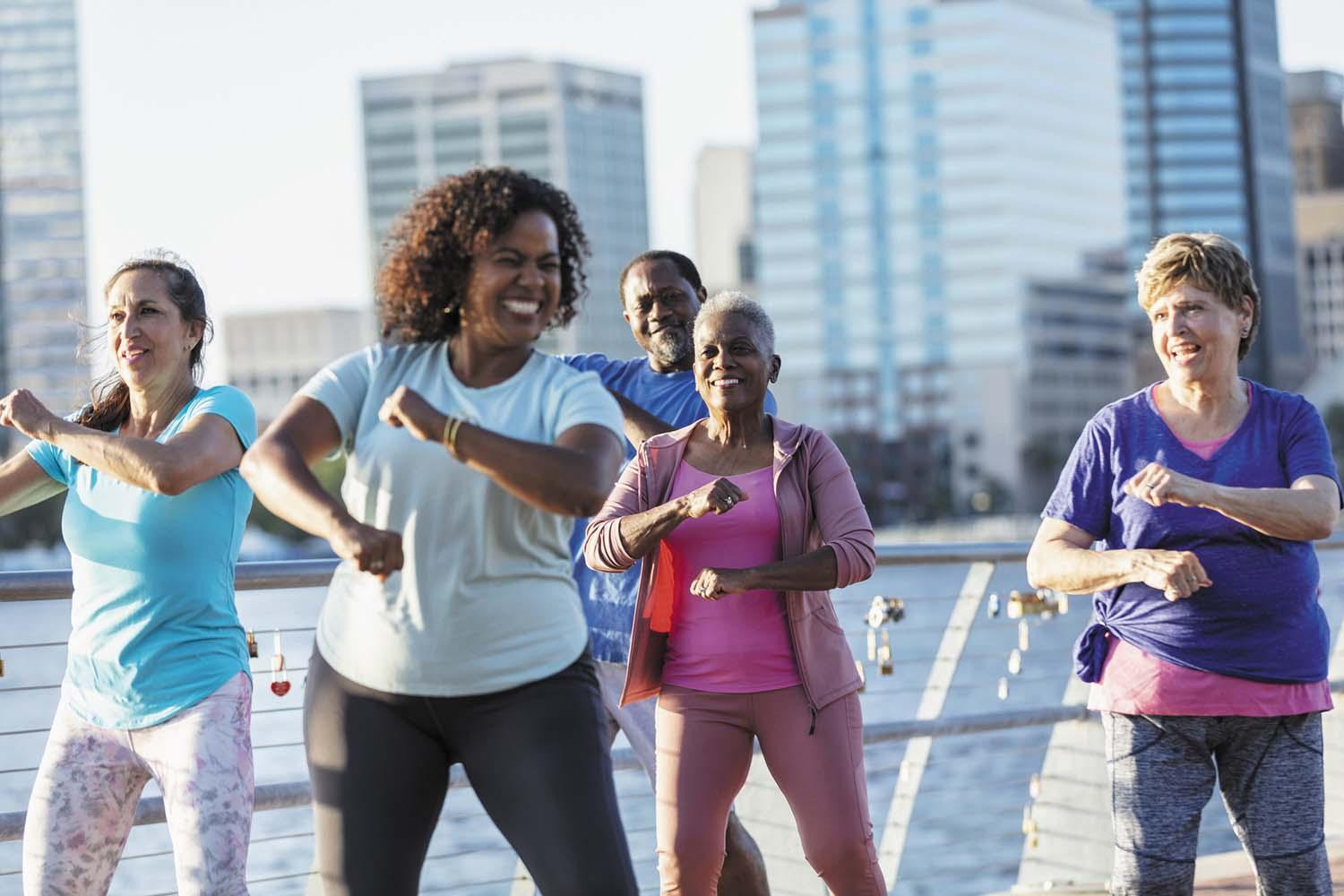
Twist, turn, tone
Dancing is a popular leisure activity. Evidence suggests dance boasts all the same benefits as other forms of consistent aerobic exercise: lowering blood pressure, building muscle and bone, increasing aerobic capacity, reducing anxiety, and improving depression symptoms. Dance can also counter loneliness and isolation and be easier to stick with than exercise that's more repetitive. People who want to try dance can frame it as a hobby instead of exercise, take a group class, and modify dance movements to accommodate pain or limited mobility.

Morning blue light therapy may offer many benefits for older adults
Daily morning exposure to blue-enriched light can improve sleep quality and increase activity levels in older adults, according to a 2025 study. Researchers believe morning blue light "wakes up" the brain, which increases alertness and synchronizes the sleep-wake cycle.
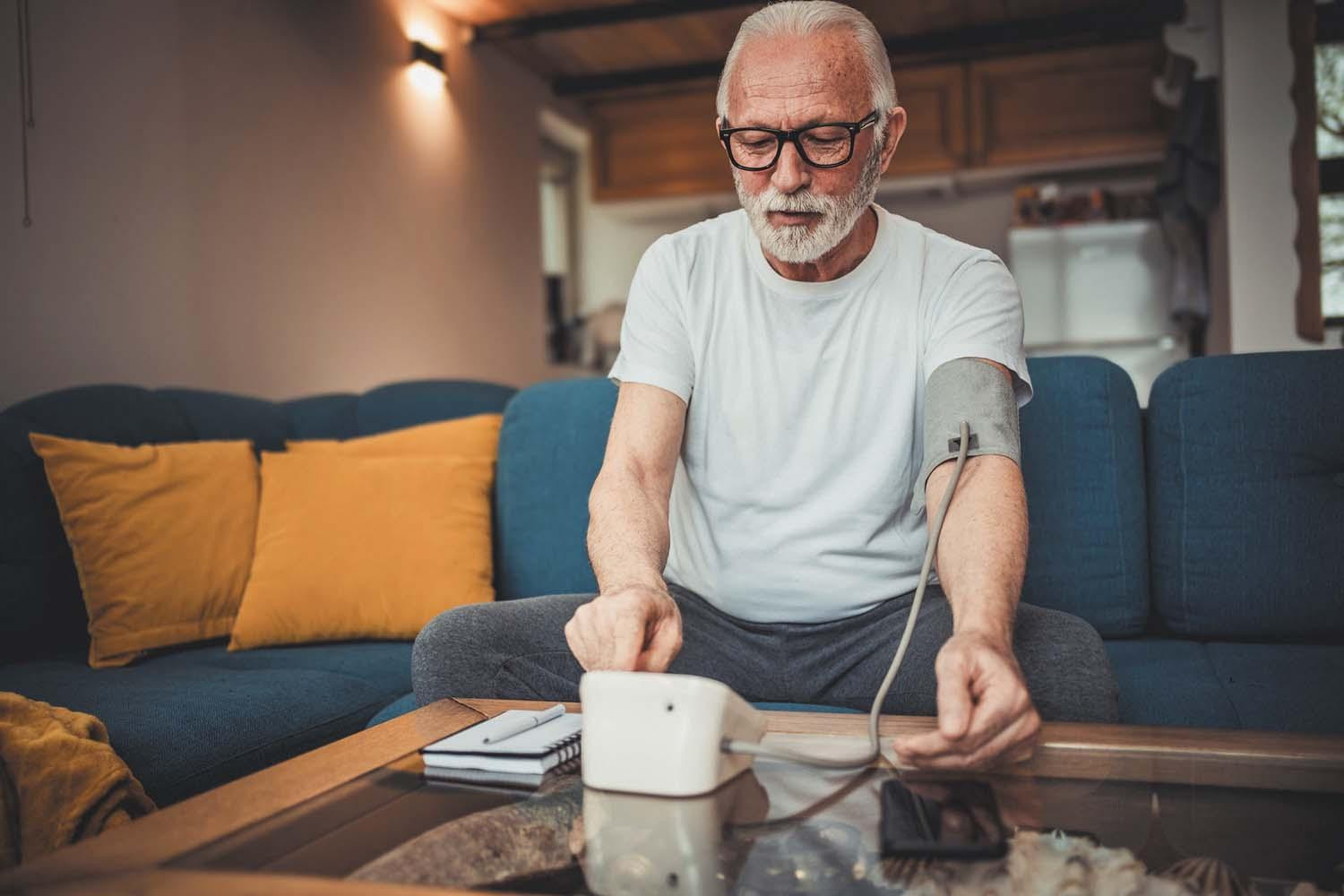
Take back your blood pressure control!
When blood pressure remains high despite treatment, making certain lifestyle changes can help. Examples include reducing dietary sodium and increasing dietary potassium, losing weight, limiting alcohol intake to no more than one drink per day, exercising (doing aerobics and strength training), using tools that improve medication adherence (such as an automatic pill dispenser, a medication diary, a smartphone alarm, or a reminder app), quitting smoking, getting more sleep, managing stress, and reducing caffeine intake.

Heat wave hazards
Certain medications can leave people more vulnerable to heat-related effects or the sun's rays. The medications can raise the risk of dehydration, make people sweat too much or too little, impair the body's ability to regulate temperature, or raise the risk of getting a bad sunburn. In addition, higher temperatures may damage some medicines, including diuretics, blood pressure drugs, some antidepressants, thyroid replacement hormones, and some over-the-counter antihistamines.

Wake-up to managing poor sleep
Guidelines recommend at least seven hours of sleep nightly for most healthy adults. But instead of fixating on a specific number of hours, experts suggest people focus on how well they sleep, also known as sleep quality. Improving sleep quality starts with recognizing the factors contributing to poor sleep. One way is for people to keep a sleep diary for one to two weeks to record details of their sleep experience. Afterward, they can review the information to identify any patterns that may be affecting their sleep and make adjustments.

Unlocking the secrets of super-agers
Super-agers are people who reach their 80s, 90s, or beyond with the memory capacity of someone at least three decades younger. As people get older, certain brain regions shrink, slowing brain functions. But super-agers retain more brain volume in areas linked to memory and movement, and their brains shrink more slowly over time. Women are more likely to be super-agers because they live, on average, longer than men. Genetics also appear to play a significant role in achieving super-ager status.

A popular alternative to a traditional sleeping pill
In the last few years, the prescribing rate for zolpidem, a popular sleeping pill, has been declining in favor of the "off-label" use of an antidepressant called trazodone, which is known for its ability to make people drowsy. But doctors are concerned that trazodone hasn't been well studied for insomnia, it is not FDA-approved to treat the condition, and there are sparse data showing that it is safe or that it works for patients with insomnia. Experts advise choosing medications based on a patient's specific needs, not a trend.
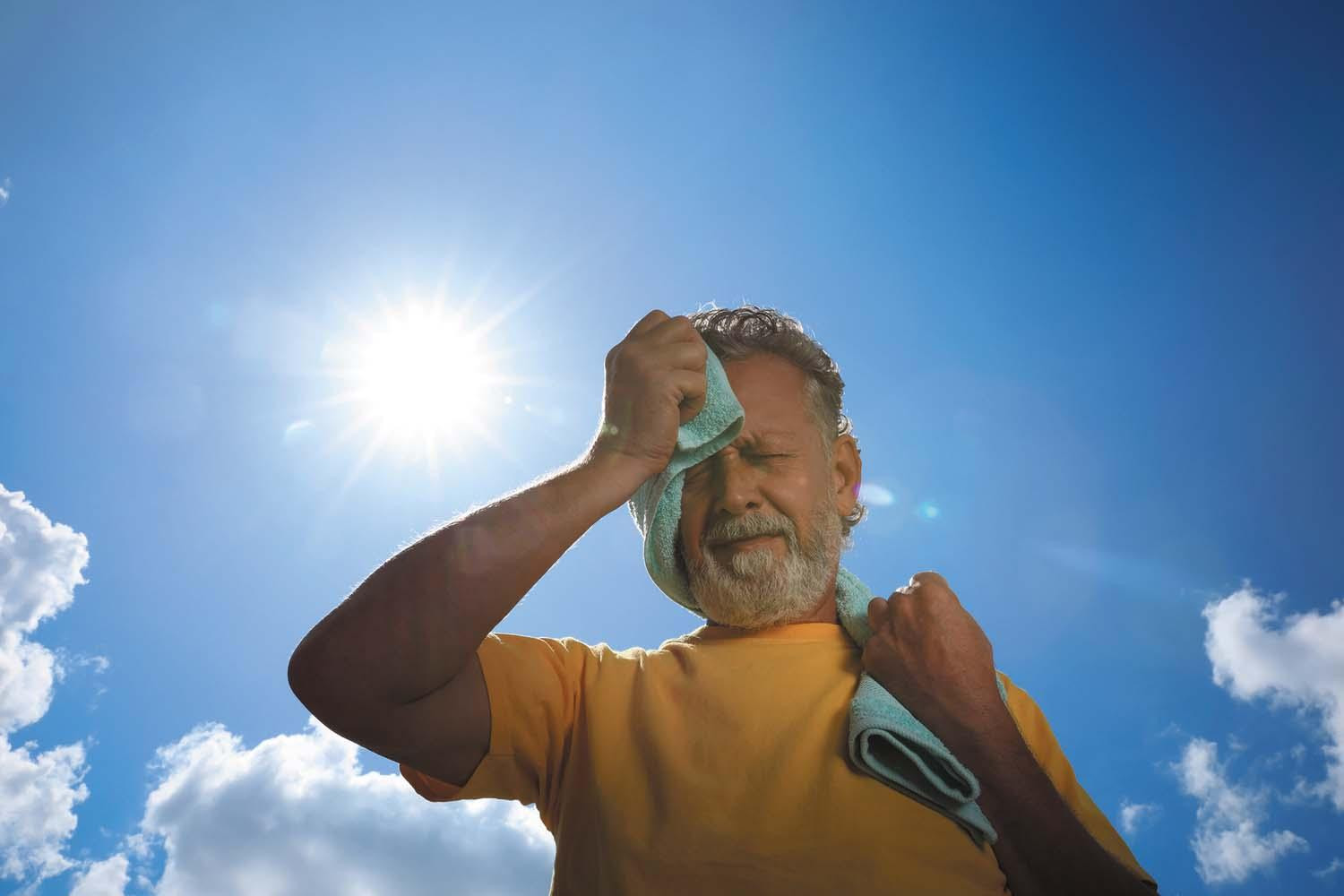
Feeling the heat
Older adults are especially vulnerable to heat-related ailments like heat exhaustion and heatstroke. The primary reason is biological, as aging bodies can't maintain a steady internal body temperature when external conditions change. Heart conditions and heart medications can add to the problem. Older adults can protect themselves from heat ailments by taking standard precautions during hot weather and recognizing the early symptoms of ailments so they can seek immediate treatment.

High temperatures may make natural mosquito repellents less effective
Mosquito repellents that rely on certain natural substances may not be as effective when temperatures reach 90° or higher. For very hot weather, people may get better protection by using the synthetic repellent DEET.

Water aerobics tied to weight loss and a smaller waist
A 2025 review of 10 randomized controlled trials (involving about 300 people) found that those who took part in two or three one-hour water aerobics classes weekly for at least 10 weeks lost up to 6 pounds and trimmed their waists by about an inch.
Fatty liver disease: Should you be tested?
Even a little exercise linked with lower stroke risk in people with afib
Testosterone therapy without evidence of deficiency may boost heart risk
Weight-loss drug may lower risk of heart attacks and infections
Migraine: How it's diagnosed and what that means
Tricep workouts you can do at home
Mindfulness practices to reduce stress and improve focus
Antihistamines may not offer meaningful relief from eczema symptoms
Overweight and taking blood pressure medications: Study finds it's a trend that's working
FDA approves first mRNA-based flu vaccine
Free Healthbeat Signup
Get the latest in health news delivered to your inbox!
Sign Up
