

Fatty liver disease: Should you be tested?

Weight-loss drug may lower risk of heart attacks and infections

Testosterone therapy without evidence of deficiency may boost heart risk

Even a little exercise linked with lower stroke risk in people with afib

Antihistamines may not offer meaningful relief from eczema symptoms

What to eat on the DASH diet

Tricep workouts you can do at home

FDA approves first mRNA-based flu vaccine

Migraine: How it's diagnosed and what that means

Mindfulness practices to reduce stress and improve focus
Headache and migraine Archive
Articles

Migraine sufferers have a higher risk for stroke after surgery
In the journals
People who suffer from migraines have increased risks of stroke and hospital readmission within 30 days after having surgery, according to research published online Jan. 10, 2017, by BMJ.
The study included 124,558 patients (45% of whom were men), who had a history of migraines, either with or without aura (a period of symptoms, such as flashes of light or facial tingling, that precedes the migraine). The researchers monitored the condition of all the patients after either inpatient or outpatient surgery. They then looked at how many had strokes and how many were readmitted to the hospital over the following 30 days.

Long-term use of opioids may depend on the doctor who prescribes them
Some doctors are more likely to prescribe opioids to their patients, and those patients are more likely to end up taking them long-term. It's crucial for consumers to educate themselves about the risks of taking opiates, and to consider alternatives if possible.
Short circuit migraines before they start
Author and migraine sufferer Joan Didion once wrote, "That no one dies of migraine seems, to someone deep into an attack, an ambiguous blessing." At that time, migraines weren't something that could be prevented. Today, that's a possibility for some people who have severe migraines, frequent migraines (more than three or four times a month), or migraines that don't respond well to treatment.
The cornerstone of migraine prevention is managing triggers like stress or certain foods or strong perfumes. Alternative and complementary therapies (like acupuncture) help some migraine sufferers keep headaches at bay.
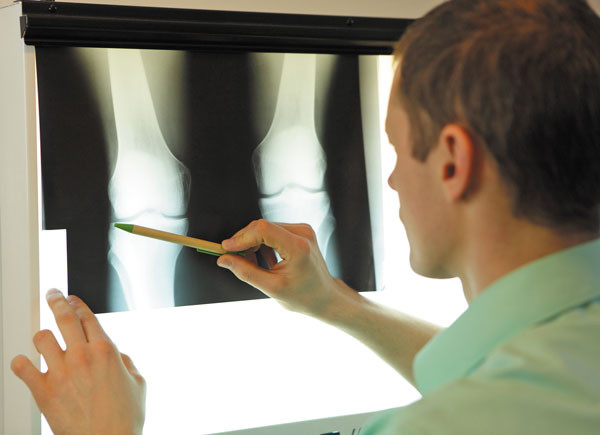
X-ray may be best screening tool for diagnosing knee pain
A simple x-ray may be a better and cheaper way to diagnose knee arthritis than an MRI, according to researchers. X-rays are also cheaper than MRIs and quicker to perform.
Possible link between shoulder problems and heart disease risk
Shoulder pain appears to be associated with risk factors for heart disease. Researchers found that people with the most heart disease risk factors, like high cholesterol, high blood pressure, and diabetes, were almost five times more likely to also have shoulder trouble.
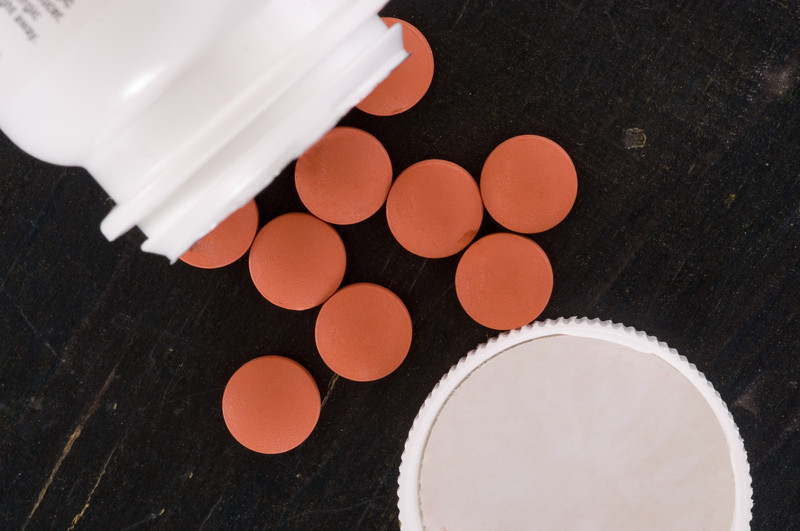
The downside of taking pills to treat chronic pain
When the risks of medication outweigh the benefits.
Image: © iStock
Taking over-the-counter or prescription painkillers may seem like a simple solution for chronic pain. It's actually a bit more complicated, yet many older adults aren't aware of potential problems. "They think that if it doesn't require a prescription, it's safe. But there are some long-term health risks," says Dr. Edgar Ross, director of the Pain Management Center at Harvard-affiliated Brigham and Women's Hospital.
Here's what you should know about some commonly used pain relievers.

Emergencies and First Aid - How to Make a Sling
How to Make a Sling
1. To make a sling, cut a piece of cloth, such as a pillowcase, about 40 inches square. Then cut or fold the square diagonally to make a triangle. Slip one end of the bandage under the arm and over the shoulder. Bring the other end of the bandage over the other shoulder, cradling the arm. | 2. Tie the ends of the bandage behind the neck. Fasten the edge of the bandage, near the elbow, with a safety pin. |
Collar and Cuff Sling |
Use a collar and cuff sling for a suspected fracture of the collarbone or elbow when a triangular sling is not available. Wrap a strip of sheet, a pants leg, or pantyhose around the wrist and tie the ends behind the neck. |

Emergencies and First Aid - How to Splint a Fracture
How to Splint a Fracture
For a lower arm or wrist fracture (left), carefully place a folded newspaper, magazine, or heavy piece of clothing under the arm. Tie it in place with pieces of cloth. A lower leg or ankle fracture (right) can be splinted similarly, with a bulky garment or blanket wrapped and secured around the limb. A person with a hip or pelvis fracture should not be moved. If the person must be moved, the legs should be strapped together (with a towel or blanket in between them) and the person gently placed on a board, as for a back injury. | |

Emergencies and First Aid - Back Injuries
Unless the person is able to tell you to the contrary, assume that anyone with a back injury also has a neck injury.
Place a board, such as a door or table leaf, next to the person. The board should extend below the buttocks (ideally to the feet) and above the head. Keeping the head aligned with the rest of the body, gently logroll the person toward you. Move the board under the person and ease him or her onto it. If the person is vomiting, lay him or her on one side and continue to support the head.
Fatty liver disease: Should you be tested?
Weight-loss drug may lower risk of heart attacks and infections
Testosterone therapy without evidence of deficiency may boost heart risk
Even a little exercise linked with lower stroke risk in people with afib
Antihistamines may not offer meaningful relief from eczema symptoms
What to eat on the DASH diet
Tricep workouts you can do at home
FDA approves first mRNA-based flu vaccine
Migraine: How it's diagnosed and what that means
Mindfulness practices to reduce stress and improve focus
Free Healthbeat Signup
Get the latest in health news delivered to your inbox!
Sign Up
