

Even a little exercise linked with lower stroke risk in people with afib

Testosterone therapy without evidence of deficiency may boost heart risk

Weight-loss drug may lower risk of heart attacks and infections

What to eat on the DASH diet

Migraine: How it's diagnosed and what that means

Tricep workouts you can do at home

Mindfulness practices to reduce stress and improve focus

Antihistamines may not offer meaningful relief from eczema symptoms

Overweight and taking blood pressure medications: Study finds it's a trend that's working

FDA approves first mRNA-based flu vaccine
Diarrhea, constipation, gas & bloating Archive
Articles

How to feed your gut
The gut microbiota contains trillions of microbes, including both good and bad bacteria. Good bacteria help digest food and absorb nutrients, regulate appetite, synthesize vitamins, and support the immune system. When the gut microbiota becomes unbalanced because of an increasing number of bad bacteria, problems can arise. Keeping the gut balanced and healthy involves eating more probiotics (foods containing good bacteria) and prebiotics (foods that help existing good bacteria grow).
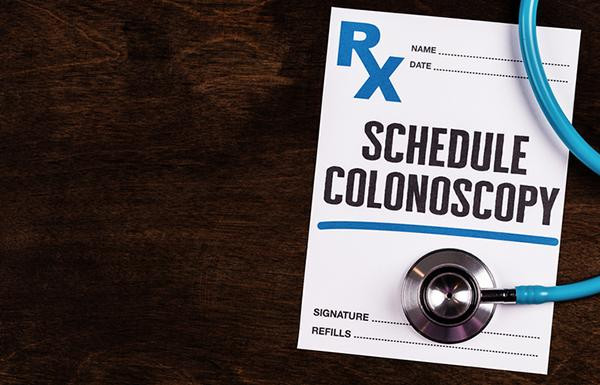
How to prep for a successful colonoscopy
Bowel preparation (prep) is considered the most unpleasant part of the colonoscopy process, but it's also crucial. A clean bowel helps the gastroenterologist more easily locate and remove polyps, small growths that can develop into cancer. If the prep is inadequate, the patient will have to repeat the process. Updated guidelines for gastroenterologists, published in 2025, can help them guide their patients to have more successful preps.
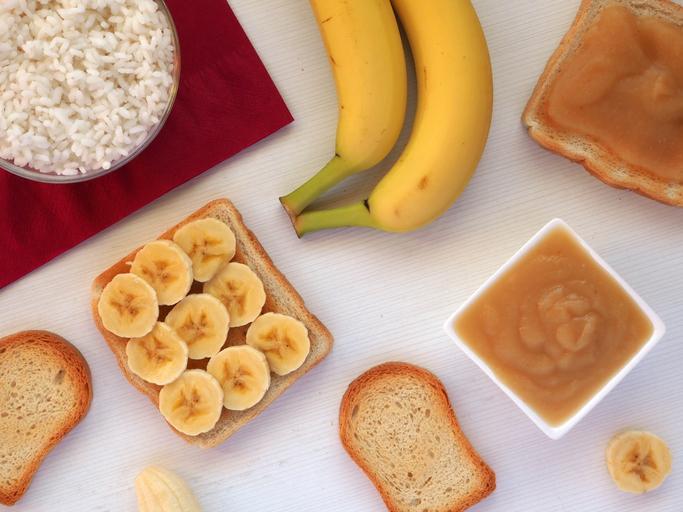
Is the BRAT diet the best choice for an upset stomach?
The BRAT diet - which stands for bananas, rice, applesauce, and toast - has long been recommended for people coping with diarrhea and vomiting. But adding oatmeal, cooked carrots, skinless chicken, and other bland foods is fine and provides nutrients needed to help people recover. People who have an upset stomach should avoid alcohol, caffeine, dairy products, sugary foods, and foods that are deep-fried, acidic, spicy, or high in fiber. They should also be sure to stay hydrated by drinking water, broth, diluted fruit juice, or weak, decaffeinated tea.
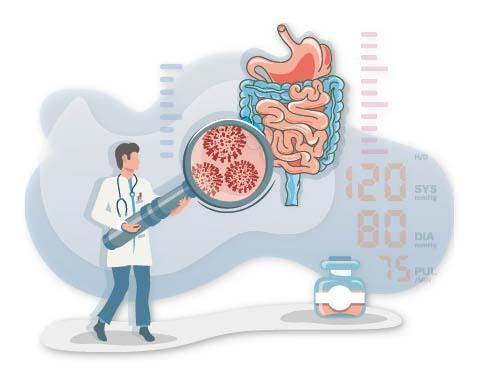
How a healthy gut benefits your blood pressure
A diet low in sodium and rich in plant-based foods promotes a diverse, balanced population of gut microbes, which may help people maintain a healthy blood pressure. A salty diet increases the prevalence of bad microbes and reduces the number of beneficial microbes. When bad microbes accumulate in the gut, they form breakdown products and toxins that promote inflammation. Beneficial microbes feed on fiber, which is why a diet that provides a mix of healthy fiber from plant-based foods helps. These microbes produce short-chain fatty acids, which interact with specific receptors on cells that help regulate blood pressure.

Mediterranean and plant-based diets might keep you regular
A 2025 Harvard study found that people who most closely adhered to a Mediterranean or a plant-based diet had up to a 20% lower risk for chronic constipation, compared with people who followed other eating patterns.
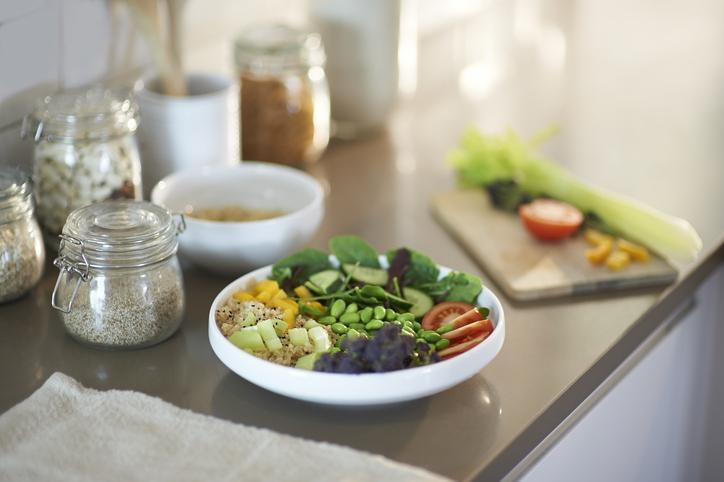
Plant-based diets may help lower the risk of chronic constipation
Eating a plant-based diet may help people lower their risk for chronic constipation, according to a 2025 study. This effect may be due, at least in part, to the high fiber content of plant-based diets.
Are colon cleanses safe?
Colon cleanses are marketed to help detoxify the body, boost weight loss and immune function, and increase energy. But the colon removes toxins on its own. Colon cleanses also pose multiple health risks.

Is constant gum-chewing a bad idea?
Evidence suggests that chewing gum can help people feel more focused and less stressed. Chewing sugar-free versions can hinder cavities. But constant gum-chewing can tire jaw muscles, and xylitol-containing gum can trigger abdominal distress.

Second-guessing symptoms
While many health symptoms resolve quickly on their own, others linger and make people wonder if they need to see a doctor. Symptoms that warrant a doctor's visit include drawn-out cold symptoms such as fatigue, cough, and low-grade fever; a fever lasting more than four days; unexpected symptoms when starting a new medication or after surgery; certain digestive problems; and new or worsening mental health issues.

Is it really GERD?
In gastroesophageal reflux disease (GERD), stomach acid washes backward into the esophagus. This can cause symptoms such as heartburn, an acidic or metallic taste in the mouth, hoarse voice, chest pain, dry cough, post-nasal drip, or trouble swallowing. Symptoms can overlap with those of several other conditions. These include hiatal hernia, functional dyspepsia, eosinophilic esophagitis, esophageal spasms, or heart attack. Distinguishing GERD from other conditions may involve various tests, including an endoscopy to view the esophagus lining.
Even a little exercise linked with lower stroke risk in people with afib
Testosterone therapy without evidence of deficiency may boost heart risk
Weight-loss drug may lower risk of heart attacks and infections
What to eat on the DASH diet
Migraine: How it's diagnosed and what that means
Tricep workouts you can do at home
Mindfulness practices to reduce stress and improve focus
Antihistamines may not offer meaningful relief from eczema symptoms
Overweight and taking blood pressure medications: Study finds it's a trend that's working
FDA approves first mRNA-based flu vaccine
Free Healthbeat Signup
Get the latest in health news delivered to your inbox!
Sign Up
