

Whole grains may improve several heart risk factors at once

Light exposure at night may raise risk for heart disease

Children of centenarians may stay healthier and live longer too, study finds

A lumbar belt may help ease low back pain

Signs of pneumonia: Sometimes vague and unexpected

The surprising link between ovarian cancer and the fallopian tubes

Using a vibration plate: What it can — and can't — do for your body

People who walk more or walk faster live longer, study finds

Rosacea treatments: What works?

For sleep apnea, a dental device may be as effective as CPAP
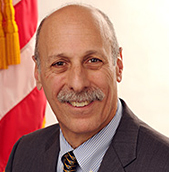
Richard Frank, PhD
Contributor
Richard G. Frank, PhD, is the Margaret T. Morris Professor of Health Economics in the Department of Health Care Policy at Harvard Medical School. From 2009 to 2011, he served as the deputy assistant secretary for planning and evaluation at DHHS directing the office of Disability, Aging and Long-Term Care Policy. From 2013 to 2014, he served as a Special Advisor to the Office of the Secretary at the Department of Health and Human Services, and from 2014 to 2016 he served as Assistant Secretary for Planning and Evaluation in the Department of Health and Human Services. His research is focused on the economics of mental health and substance abuse care, long term care financing policy, health care competition, implementation of health reform and disability policy. He was elected to the Institute of Medicine (National Academy of Medicine) in 1997. He is co-author with Sherry Glied of the book Better but Not Well (Johns Hopkins Press).
Posts by Richard Frank, PhD

Whole grains may improve several heart risk factors at once
Light exposure at night may raise risk for heart disease
Children of centenarians may stay healthier and live longer too, study finds
A lumbar belt may help ease low back pain
Signs of pneumonia: Sometimes vague and unexpected
The surprising link between ovarian cancer and the fallopian tubes
Using a vibration plate: What it can — and can't — do for your body
People who walk more or walk faster live longer, study finds
Rosacea treatments: What works?
For sleep apnea, a dental device may be as effective as CPAP

