

Light exposure at night may raise risk for heart disease

Whole grains may improve several heart risk factors at once

A lumbar belt may help ease low back pain

Children of centenarians may stay healthier and live longer too, study finds

Signs of pneumonia: Sometimes vague and unexpected

The surprising link between ovarian cancer and the fallopian tubes

Using a vibration plate: What it can — and can't — do for your body

People who walk more or walk faster live longer, study finds

For sleep apnea, a dental device may be as effective as CPAP

Rosacea treatments: What works?
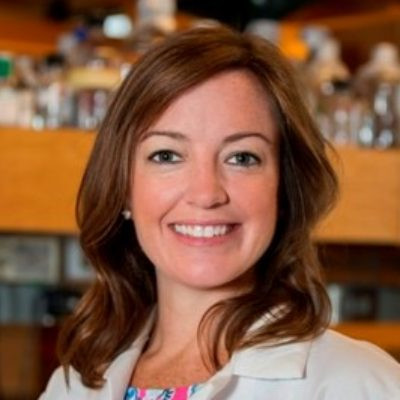
Maureen Leonard, MD, MMSc
Contributor
Dr. Maureen Leonard is the clinical director of the Center For Celiac Research And Treatment at Massachusetts General Hospital for Children (MGHfC) and an assistant professor of pediatrics at Harvard Medical School (HMS). She sees adult and pediatric patients with celiac disease, non-celiac gluten sensitivity, and other gluten-related disorders.
Dr. Leonard obtained her medical degree from New York Medical College, completed her residency in general pediatrics at Tufts Medical Center and her fellowship in pediatric gastroenterology at MGHfC. Dr. Leonard received a master’s degree in clinical and translational investigation from HMS.
Dr. Leonard’s research is focused on predicting and preventing celiac disease through the NIH-funded Celiac Disease; Genomic, Environment, Microbiome and Metabolomic Study. Dr. Leonard’s other work includes identifying biomarkers that can predict intestinal healing in pediatric patients with celiac disease; building translational models capable of predicting autoimmune disease in high risk individuals; and working with industry collaborators to create and perform clinical trials aimed at treating celiac disease. Dr. Leonard currently holds funding from the NIH, and has previously been funded by the NIH, the Nutrition Obesity Research Center at Harvard, and the Thrasher Research Foundation.
Posts by Maureen Leonard, MD, MMSc

Light exposure at night may raise risk for heart disease
Whole grains may improve several heart risk factors at once
A lumbar belt may help ease low back pain
Children of centenarians may stay healthier and live longer too, study finds
Signs of pneumonia: Sometimes vague and unexpected
The surprising link between ovarian cancer and the fallopian tubes
Using a vibration plate: What it can — and can't — do for your body
People who walk more or walk faster live longer, study finds
For sleep apnea, a dental device may be as effective as CPAP
Rosacea treatments: What works?

