

Light exposure at night may raise risk for heart disease

Whole grains may improve several heart risk factors at once

A lumbar belt may help ease low back pain

Children of centenarians may stay healthier and live longer too, study finds

Signs of pneumonia: Sometimes vague and unexpected

The surprising link between ovarian cancer and the fallopian tubes

Using a vibration plate: What it can — and can't — do for your body

People who walk more or walk faster live longer, study finds

For sleep apnea, a dental device may be as effective as CPAP

Rosacea treatments: What works?
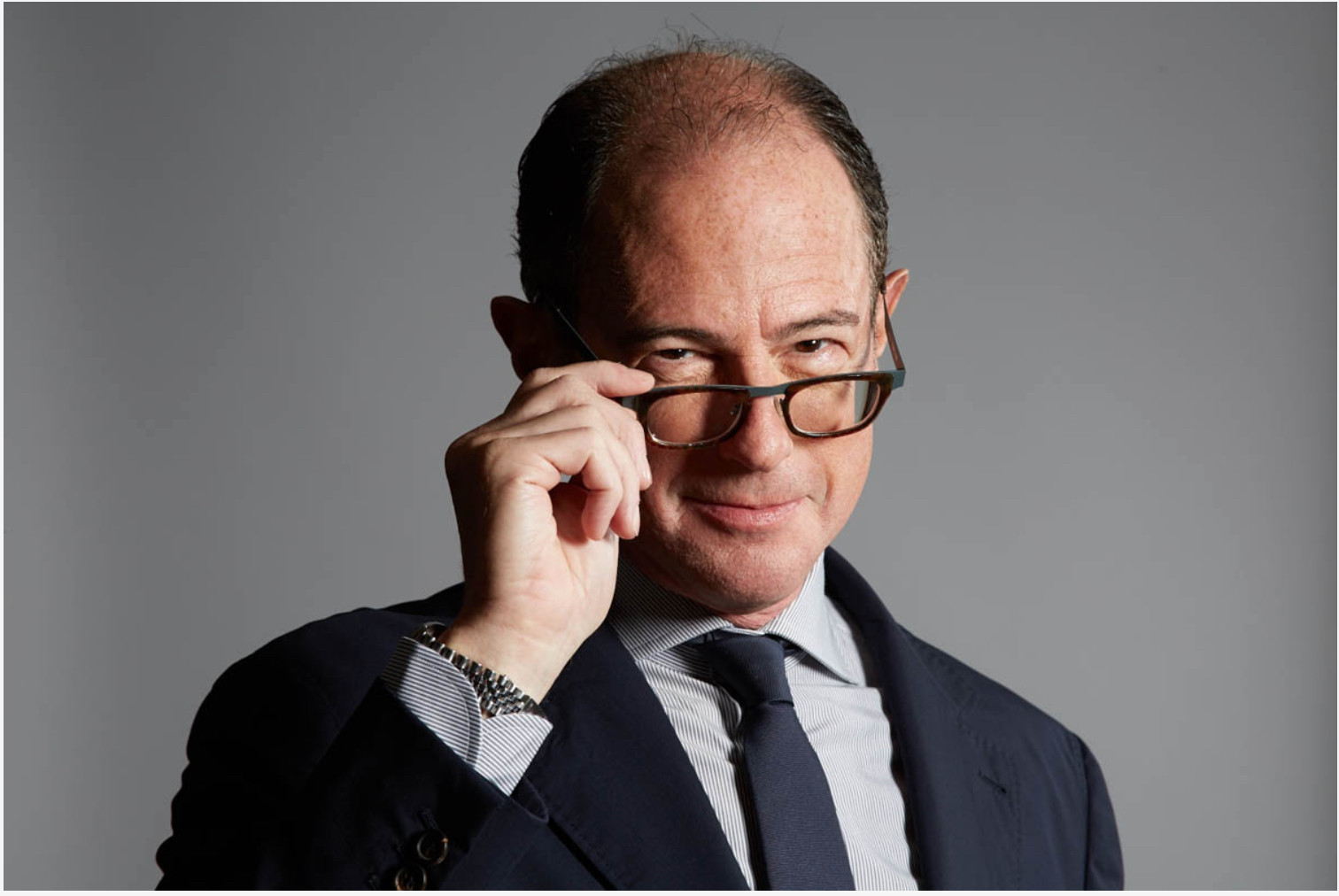
John Sharp, MD
Contributor
Dr. John Sharp is a board-certified psychiatrist on the faculty at Harvard Medical School and the David Geffen School of Medicine at UCLA. He is renowned for clearly conveying evidenced-based messages regarding health and well-being. Dr. Sharp is a member of the American College of Psychiatrists and a Distinguished Fellow of the American Psychiatric Association. He has been voted by his peers for inclusion in Best Doctors in America for the past 10 years. His first book, The Emotional Calendar: Understanding Seasonal Influences and Milestones to Become Happier, More Fulfilled, and in Control of your Life, was published in 2011 by Times Books and translated into five languages. His second book, The Insight Cure: Change Your Story, Transform Your Life, was published in 2018 by Hay House.
Website: johnsharpmd.com
Twitter: @JohnSharpMD


Light exposure at night may raise risk for heart disease
Whole grains may improve several heart risk factors at once
A lumbar belt may help ease low back pain
Children of centenarians may stay healthier and live longer too, study finds
Signs of pneumonia: Sometimes vague and unexpected
The surprising link between ovarian cancer and the fallopian tubes
Using a vibration plate: What it can — and can't — do for your body
People who walk more or walk faster live longer, study finds
For sleep apnea, a dental device may be as effective as CPAP
Rosacea treatments: What works?

