

Whole grains may improve several heart risk factors at once

Light exposure at night may raise risk for heart disease

Children of centenarians may stay healthier and live longer too, study finds

A lumbar belt may help ease low back pain

Signs of pneumonia: Sometimes vague and unexpected

Using a vibration plate: What it can — and can't — do for your body

The surprising link between ovarian cancer and the fallopian tubes

People who walk more or walk faster live longer, study finds

Rosacea treatments: What works?

For sleep apnea, a dental device may be as effective as CPAP
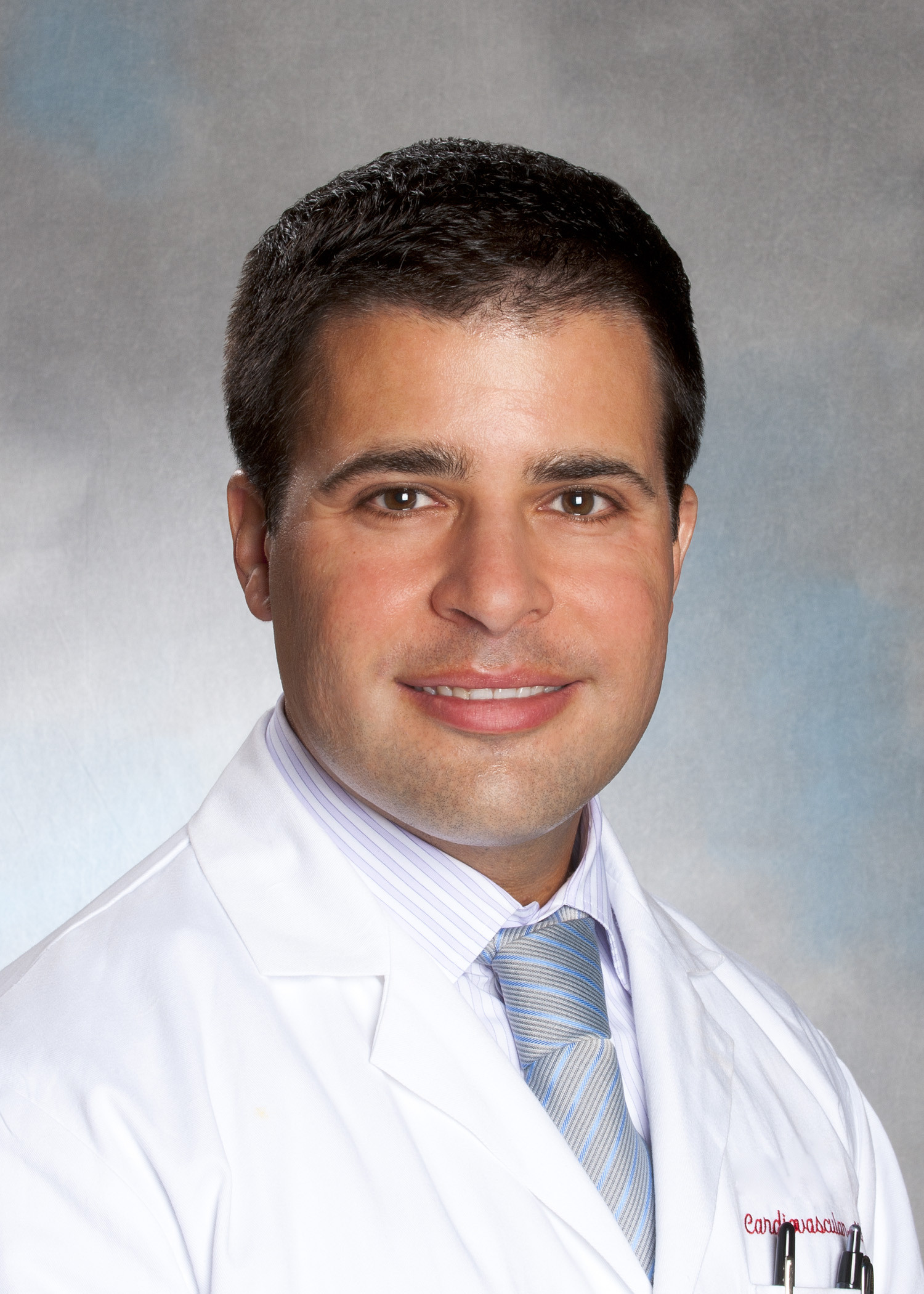
Christian Ruff, MD, MPH
Contributor
Christian Thomas Ruff, MD, MPH, Director, Genetics Core Laboratory; Assistant Professor of Medicine, Harvard Medical School, Brigham and Women’s Faulkner Hospital, Boston, Massachusetts
Christian T. Ruff, MD, MPH is the Director of General Cardiology at Brigham and Women’s Hospital and an Assistant Professor of Medicine at Harvard Medical School. He graduated from Harvard University with a degree in Neurobiology and earned his medical degree at Johns Hopkins University School of Medicine. Dr Ruff is an investigator in the Thrombolysis in Myocardial Infarction (TIMI) Study Group and serves as the Director of the Genetics Core Laboratory and as Co-Director of the Clinical Events Committee. He has specific expertise in atrial fibrillation, risk stratification and implementation of antithrombotic therapy for stroke prevention, as well as the treatment and prevention of venous thromboembolism.
Posts by Christian Ruff, MD, MPH

Whole grains may improve several heart risk factors at once
Light exposure at night may raise risk for heart disease
Children of centenarians may stay healthier and live longer too, study finds
A lumbar belt may help ease low back pain
Signs of pneumonia: Sometimes vague and unexpected
Using a vibration plate: What it can — and can't — do for your body
The surprising link between ovarian cancer and the fallopian tubes
People who walk more or walk faster live longer, study finds
Rosacea treatments: What works?
For sleep apnea, a dental device may be as effective as CPAP

