

Even a little exercise linked with lower stroke risk in people with afib

Testosterone therapy without evidence of deficiency may boost heart risk

Weight-loss drug may lower risk of heart attacks and infections

What to eat on the DASH diet

Migraine: How it's diagnosed and what that means

Tricep workouts you can do at home

Mindfulness practices to reduce stress and improve focus

Antihistamines may not offer meaningful relief from eczema symptoms

Overweight and taking blood pressure medications: Study finds it's a trend that's working

FDA approves first mRNA-based flu vaccine
Sleep Archive
Articles

Is your diet sabotaging your mobility?
You might be surprised to learn that what you eat affects your ability to move.
- The nutrients in the food you eat help your body build bone, power muscle, repair and replace tissues, and keep your brain active and your heart pumping.
- Your diet also influences your chances of developing chronic diseases such as type 2 diabetes, heart disease, and osteoporosis — all of which can compromise your well-being and hinder your ability to live an active and independent life.
- Eating the right foods is important, but so are how much you eat and how well you balance the calories you take in with those you burn off. Simply being overweight can make it more difficult to move easily in your day-to-day activities.
Keys to healthy eating
There is no shortage of diet books and healthy eating plans that claim to help you slim down and live a longer and healthier life. But healthy eating is surprisingly simple.

Keep your health care directives up to date
If you decide to change something in your living will or health care power of attorney, the best thing to do is create a new one. Once the new document is signed and dated in front of appropriate witnesses — and notarized, if necessary — it supersedes your old directive.
The American Bar Association Commission on Law and Aging suggests that you re-examine your health care wishes whenever any of the following "five d's" occurs:



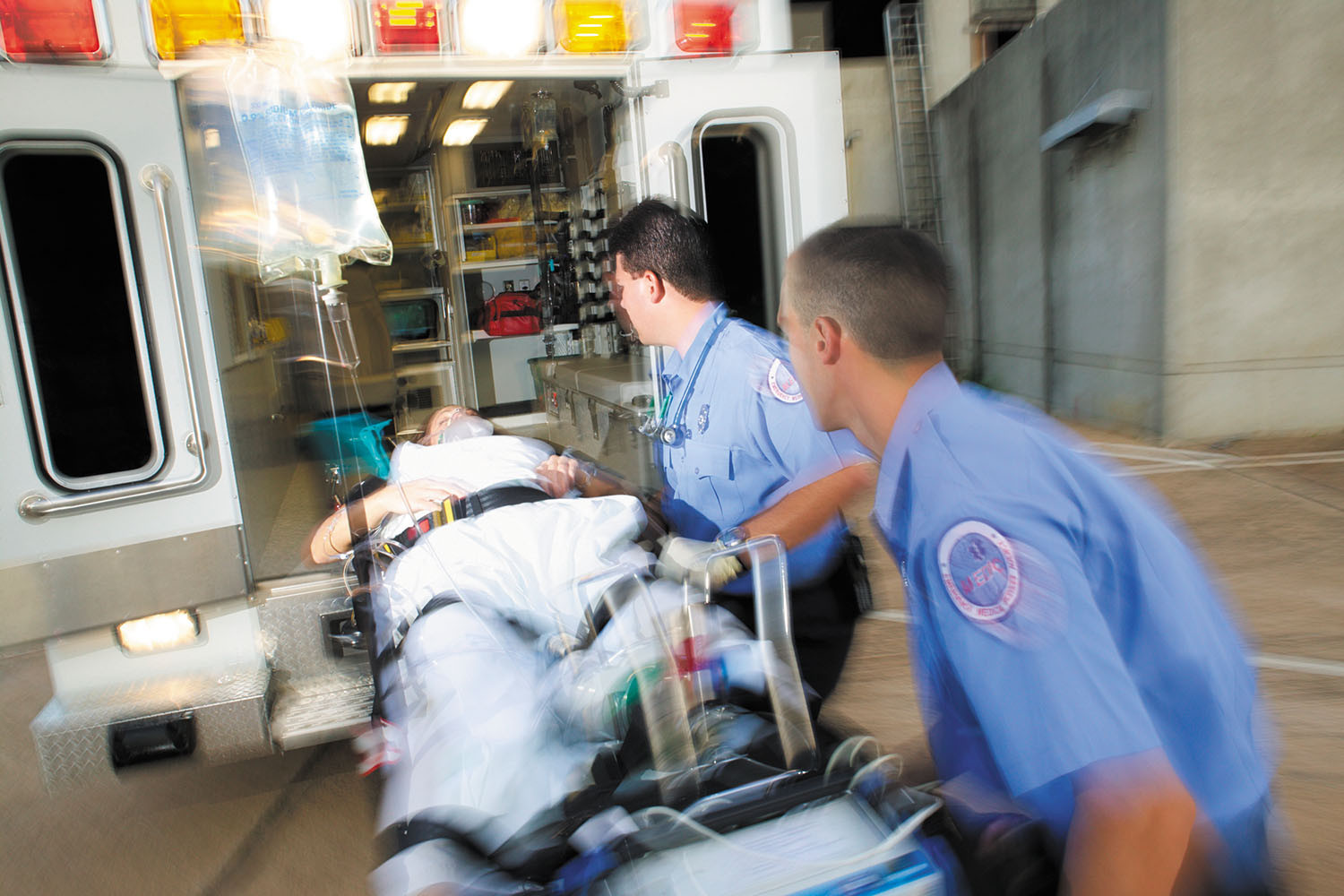
Are you prepared for a medical emergency?
Keep important information handy, such as an advance directive, a list of medications, and your emergency contacts.
Image: © Thinkstock Images/Thinkstock
We spend a lot of time trying to stay healthy. We exercise, eat right, and get check-ups and screenings. But how many of us take the time to prepare for a medical emergency, with the right information and equipment handy? "Most patients I see are not prepared to come to the emergency department [ED]. They don't know their medical problems. We're lucky if they carry their medications list," says Dr. Kei Ouchi, an emergency medicine physician at Harvard-affiliated Brigham and Women's Hospital.
Maybe we're unprepared because of a natural tendency to think that medical emergencies may happen to others but not to us. But consider the numbers: in 2009–2010, about half of all adults ages 65 or older went to an emergency department, according to the CDC. "The number of older adults coming into the ED is increasing, especially near the end of life — 75% of older adults come to the ED at least once in their last six months," Dr. Ouchi says. Those odds may make you want to think twice about preparing for the unexpected.
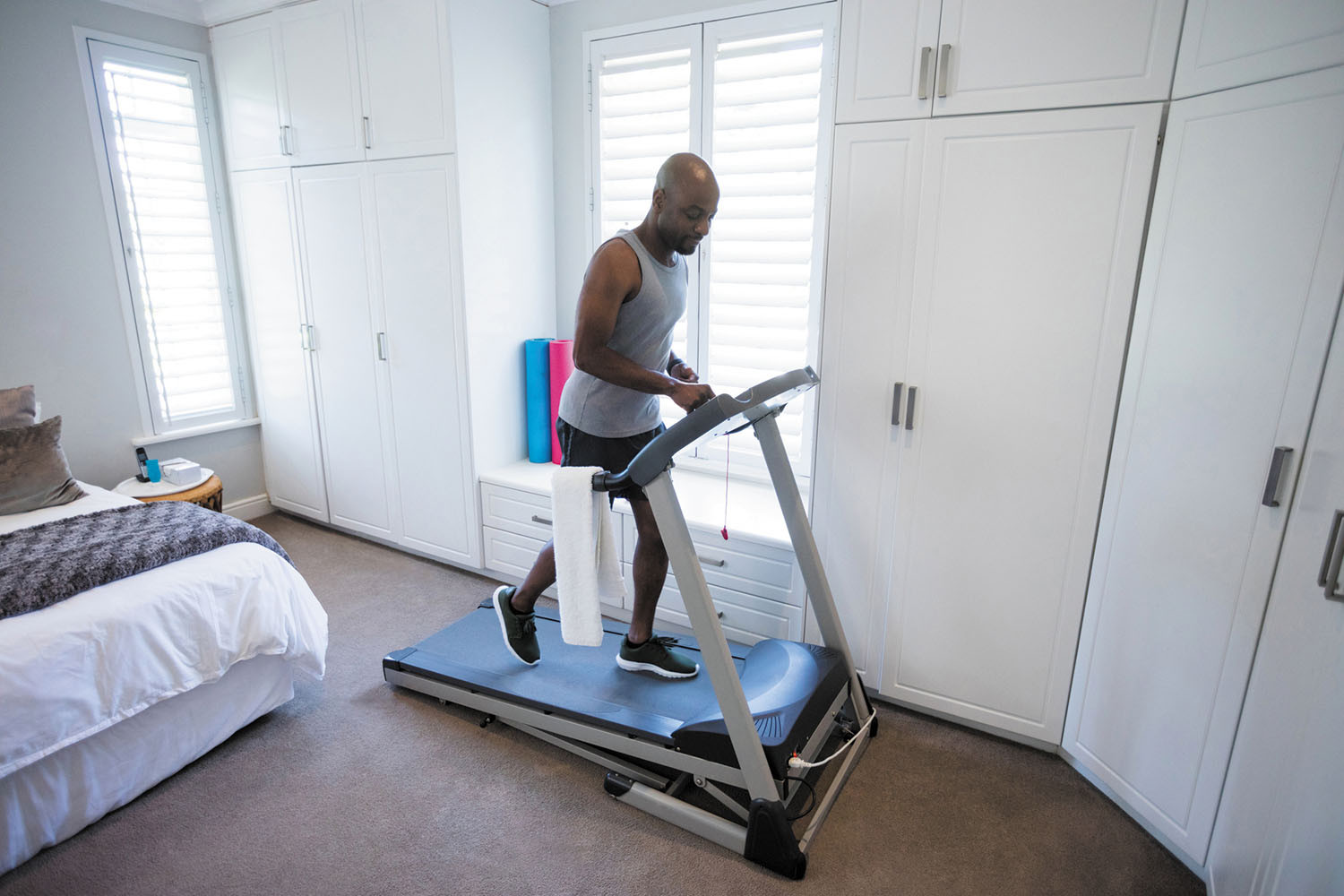
What to look for in a home treadmill
Find one with a comfortable deck, a strong motor, and features you'll really use.
Image: © Wavebreakmedia/Thinkstock
If you believe that regular walking, jogging, or running provides enormous health benefits — as you know we do — there are two good reasons to consider a home treadmill, according to Dr. Aaron Baggish, associate director of the Cardiovascular Performance Program at Harvard-affiliated Massachusetts General Hospital. First, exercise outdoors can be challenging and even dangerous in bad weather. Second, if the inconvenience and time required to go to a mall or indoor track keeps you from exercising, being able to do it at home makes it much easier. If you have any balance, heart, or lung problems, make sure your doctor clears you for a home treadmill.
Treadmill shopping
Dr. Baggish recommends avoiding nonmotorized treadmills and opting for a motorized model. "You can get a good starter model for about $1,000, but it's easy to exceed that if you want all the bells and whistles," Dr. Baggish says. Before you make the investment, do a little homework first.

Ask these questions when you get a new prescription
For the best results and for your safety, learn what those new pills do and how you should use them.
Image: © imtmphoto/Thinkstock
Medications play a crucial role in helping us get better or manage chronic disease. But don't sit silently when your doctor prescribes something new. Ask questions about the drug and bring unanswered questions to your pharmacist. "The doctor may not have the time to explain everything that's important, like whether to take a medicine on an empty stomach," says Joanne Doyle Petrongolo, a pharmacist at Harvard-affiliated Massachusetts General Hospital.
The next time your doctor suggests that you take a new pill, jot down answers to the following questions.

Another reason to start walking more
News briefs
Image: © Halfpoint/Thinkstock
Health guidelines advise all of us to spend at least two-and-a-half hours per week in moderate-intensity activity. For many people, that means walking, which requires no special equipment or training. But even if you can't rack up those 150 minutes, establishing a regular walking routine might extend your life, suggests a study published online Oct. 19, 2017, by the American Journal of Preventive Medicine.
Researchers looked at data on nearly 140,000 adults (average age about 70) who answered questionnaires about their exercise habits over 13 years. People who were inactive were 26% more likely to die during the study period compared with people who did some walking (up to two hours per week) as their only form of activity. And people who walked more — at least two hours per week — lowered their risk even more. The study is observational and doesn't prove that walking kept people alive longer during the study. However, we know that walking is associated with a lower risk for developing high blood pressure, high cholesterol, heart disease, cancer, and diabetes. If you don't want to walk in cold weather, try walking at a mall or an indoor track at a YMCA, or use a home treadmill.

Uncovering the connection between sleep and heart health
Research we're watching
Sleeping either too little or too much has been linked to a higher risk of heart disease. But how much do other interconnected factors — namely, activity levels and body weight — affect this observation?
In an effort to find out, researchers studied nearly 240,000 healthy adults ages 51 to 72 who were part of a nationwide health study. The investigators examined the influence of moderate-to-vigorous physical activity, television viewing, and body mass index on sleep duration and death rates.
Even a little exercise linked with lower stroke risk in people with afib
Testosterone therapy without evidence of deficiency may boost heart risk
Weight-loss drug may lower risk of heart attacks and infections
What to eat on the DASH diet
Migraine: How it's diagnosed and what that means
Tricep workouts you can do at home
Mindfulness practices to reduce stress and improve focus
Antihistamines may not offer meaningful relief from eczema symptoms
Overweight and taking blood pressure medications: Study finds it's a trend that's working
FDA approves first mRNA-based flu vaccine
Free Healthbeat Signup
Get the latest in health news delivered to your inbox!
Sign Up
