

Even a little exercise linked with lower stroke risk in people with afib

Testosterone therapy without evidence of deficiency may boost heart risk

Weight-loss drug may lower risk of heart attacks and infections

What to eat on the DASH diet

Migraine: How it's diagnosed and what that means

Tricep workouts you can do at home

Mindfulness practices to reduce stress and improve focus

Antihistamines may not offer meaningful relief from eczema symptoms

Overweight and taking blood pressure medications: Study finds it's a trend that's working

FDA approves first mRNA-based flu vaccine
Sleep Archive
Articles

Stand more, burn (slightly) more calories
Research we're watching
Image: © Squaredpixels/Getty Images
As many people have suspected, a new study confirms that standing more can help you burn more calories. But the number of calories it burns in the course of the day isn't even enough to work off a fun-size candy bar.
The results of a Mayo Clinic study, published online January 31 by the European Journal of Preventive Cardiology, found that adults who weighed 143 pounds, the average weight in the study, burned 0.15 more calories per minute while they stood than when they sat. So, in a six-hour day of standing instead of sitting, they would burn some 54 extra calories.

Skipping breakfast linked with higher levels of arterial plaque
Research we're watching
A study published October 2017 in the Journal of the American College of Cardiology found that people who regularly skip breakfast may have more arterial plaque than those who don't. Researchers used ultrasound to scan the arteries of more than 4,000 adults in Spain who were categorized into three groups: those who ate a heavy breakfast, those who ate a light breakfast, and those who ate no breakfast at all. They found that nearly 75% of those who regularly skipped breakfast had signs of plaque buildup in their arteries, compared with only 57% of people who reported eating a big breakfast every day and 64% who ate a small meal in the morning.
It's not clear why this was the case, although the authors noted that the people in the study who skipped breakfast were more likely to be obese and to have high cholesterol, high blood pressure, or diabetes. However, even when the researchers adjusted for those factors, the differences in arterial plaque levels between the groups persist.
Cardio step workout
Harvard fitness expert Michele Stanten takes you through a simple routine that will safely elevate your heart rate to keep your fitness goals on track.
Cardio dance routine
All you need are light clothing, a good pair of shoes and a few minutes of your day and Harvard exercise expert Michele Stanten will have you on your way to meeting your fitness goals.

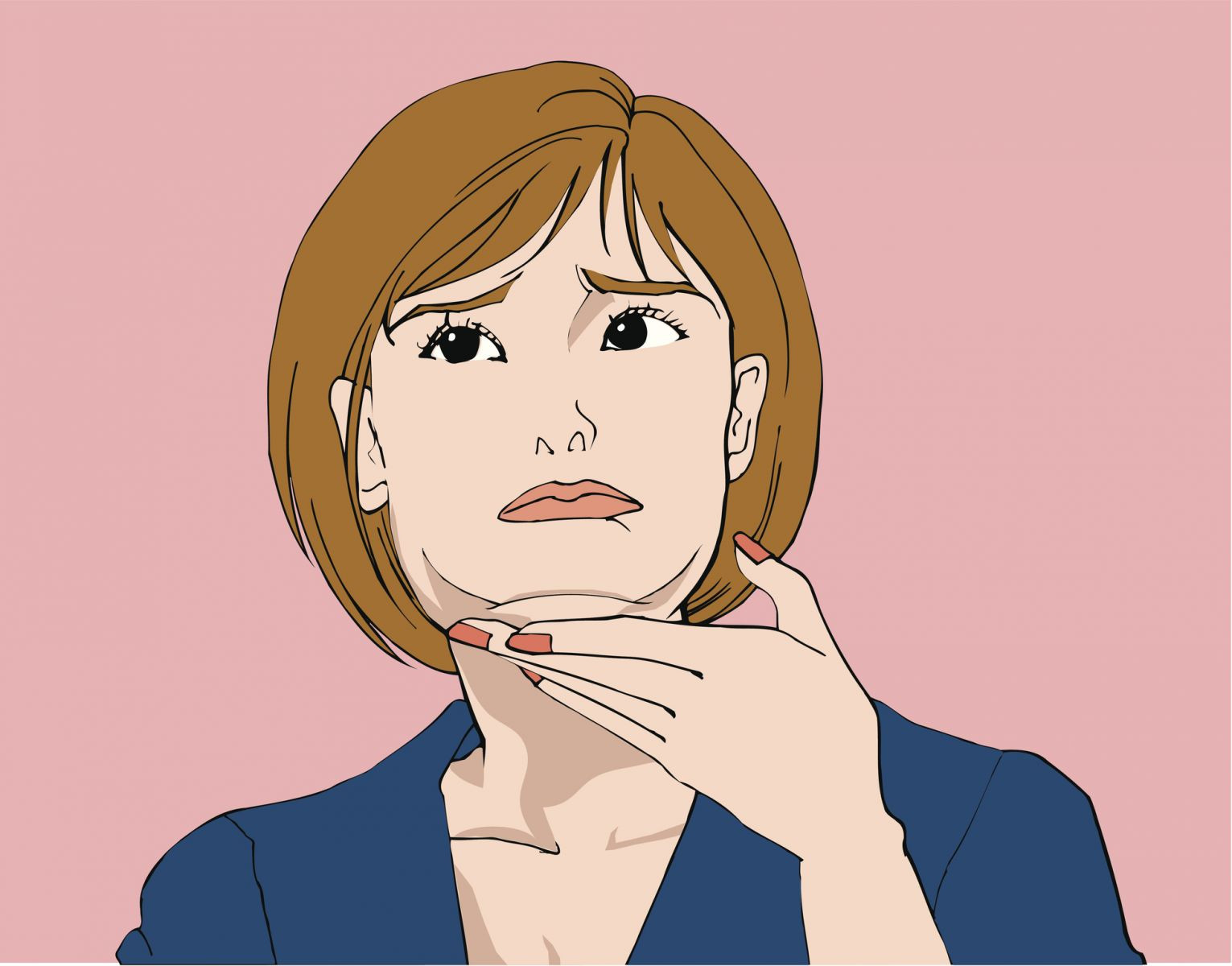
Fat-dissolving treatments for a double chin
Many people are bothered by double chins and try to conceal them behind turtleneck shirts and scarves. However, recent advancements have expanded the options for jowl removal beyond surgery to in-office treatments.
Cryolipolysis (Cool Mini)
This procedure, also known as "cool sculpting," treats a double chin. The clinician places a handpiece under the chin and chills fat cells there almost to the point of freezing, damaging their membranes so they are absorbed and metabolized by the body. The treatment itself takes about an hour, and results are seen over the subsequent two months. The procedure is usually effective and can be performed more than once. It can also be used to reduce love handles on the waist. The cost is approximately $1,000 per treatment.

I'm so lonesome I could cry
The health risks of loneliness and isolation have been known for some time, but more recently research has shown the specific effects in the brain. Finding ways to make connections with other people is the best "medicine" to alleviate the mental and physical effects of loneliness.
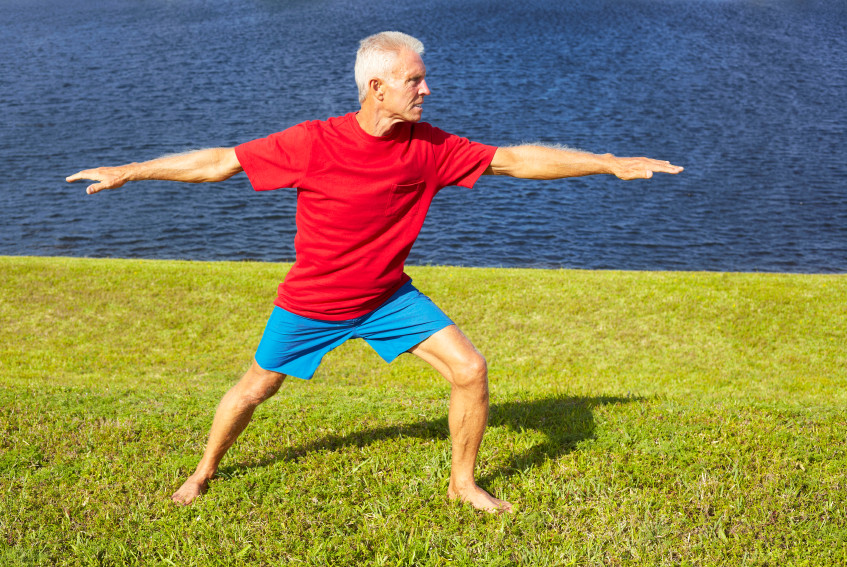
Yoga lessens treatment-related symptoms in men with prostate cancer
Decades of research show that yoga can reduce the emotional and physical fatigue brought on by cancer treatment. In 2017, scientists reported for the first time that this is also true specifically for men undergoing treatment for prostate cancer. Men who took a yoga class twice a week during prostate cancer radiation treatment reported less fatigue, fewer sexual side effects, and better urinary functioning than men who did not.
The research team enrolled 50 men ages 53 to 85 who were diagnosed with early or advanced nonmetastatic prostate cancer. Of them, 22 were assigned to yoga classes and the rest did not participate in yoga. All the men received scheduled radiation treatments; 29 of them were also on hormonal therapy, and 19 had been treated previ-ously with surgery. The yoga and control groups were evenly balanced with respect to various cancer treatments as well as treatments for side effects.
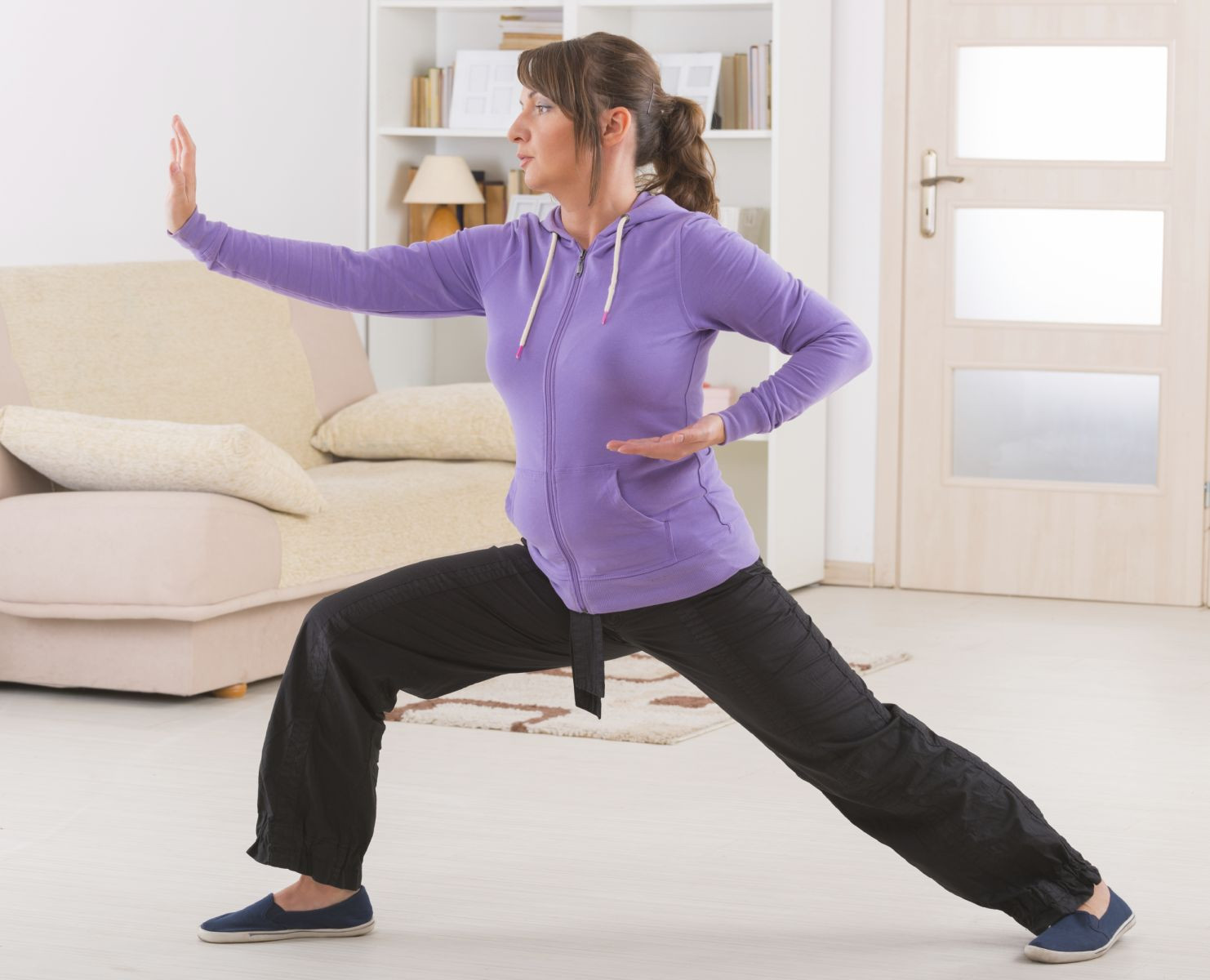
Proper posture the tai chi way
If you're like most people, your posture could use some improvement. But how do you do that? The classic advice is to stand straight, with your head up, shoulders back, and belly in. While these are reasonable adjustments, tai chi takes a different approach that may be more effective. It aims to align the body in ways that afford safe, unstrained, and graceful postures—not the military-like, one-size-fits all, rigid stances many think of as good posture.
Instead, in tai chi, good posture centers around the principle of verticality. That means the head is centered over the torso, the torso rests over the hips, and the hips are centered over the legs and feet, your base of support. Here's how to do it.

Even a little exercise linked with lower stroke risk in people with afib
Testosterone therapy without evidence of deficiency may boost heart risk
Weight-loss drug may lower risk of heart attacks and infections
What to eat on the DASH diet
Migraine: How it's diagnosed and what that means
Tricep workouts you can do at home
Mindfulness practices to reduce stress and improve focus
Antihistamines may not offer meaningful relief from eczema symptoms
Overweight and taking blood pressure medications: Study finds it's a trend that's working
FDA approves first mRNA-based flu vaccine
Free Healthbeat Signup
Get the latest in health news delivered to your inbox!
Sign Up
