

Even a little exercise linked with lower stroke risk in people with afib

Testosterone therapy without evidence of deficiency may boost heart risk

Weight-loss drug may lower risk of heart attacks and infections

What to eat on the DASH diet

Migraine: How it's diagnosed and what that means

Tricep workouts you can do at home

Mindfulness practices to reduce stress and improve focus

Antihistamines may not offer meaningful relief from eczema symptoms

Overweight and taking blood pressure medications: Study finds it's a trend that's working

FDA approves first mRNA-based flu vaccine
Sleep Archive
Articles
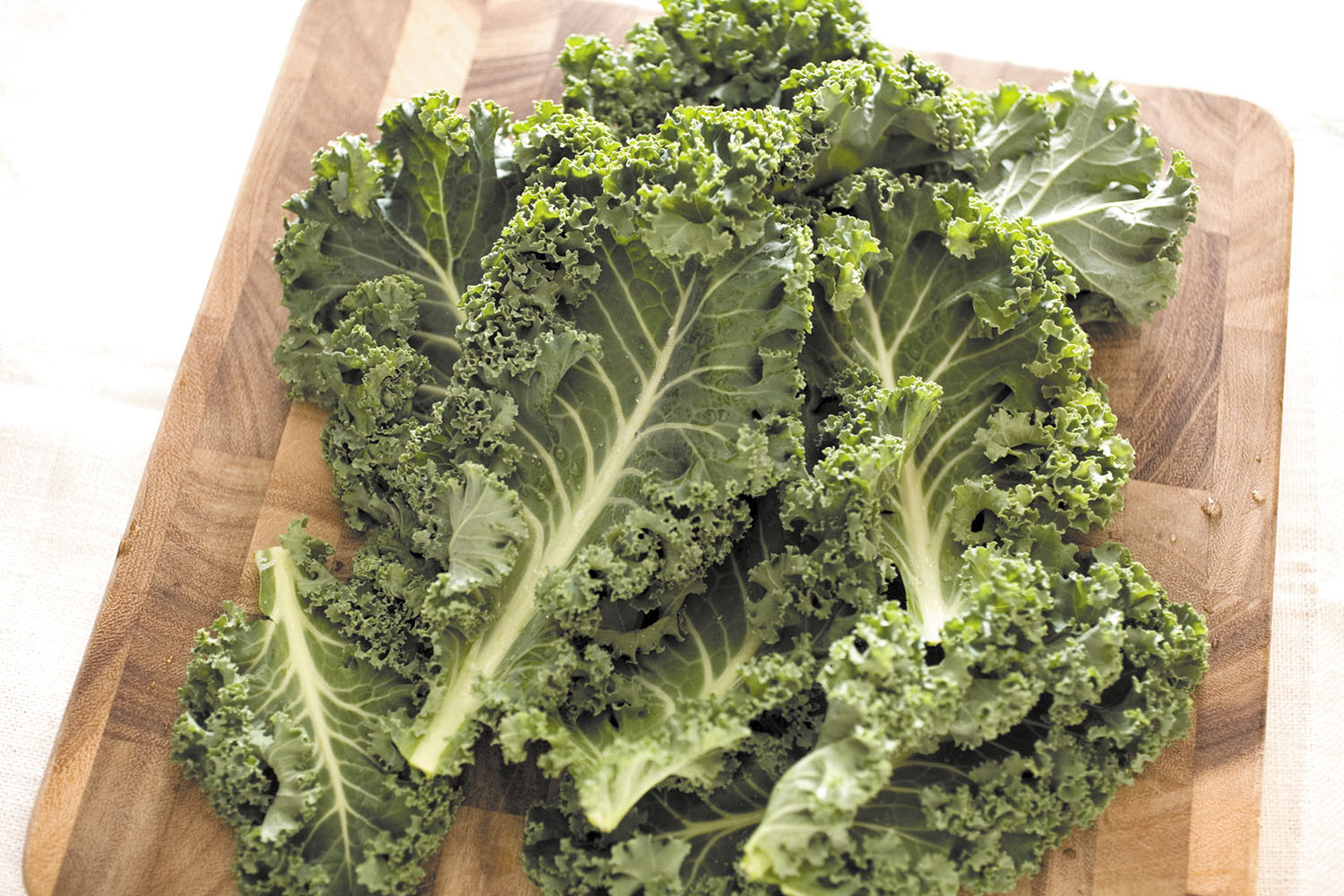
Fill up on phytochemicals
Eating a varied diet of colorful plant foods may have benefits that go beyond the power of vitamins and minerals.
Image: © sf_foodphoto/Getty Images
Whenever you bite into a juicy red apple or crunch a mouthful of dark, leafy greens, you consume more than just vitamins, minerals, and fiber. You also get a power-packed bite of plant substances called phytochemicals. They're not known to be essential for health, like vitamins and minerals, but they may go a long way toward keeping us healthy.
"We're still just learning about them. The science is ongoing. But they may help fight cancer and heart disease," says Debbie Krivitsky, director of clinical nutrition at the Cardiovascular Disease Prevention Center at Harvard-affiliated Massachusetts General Hospital.
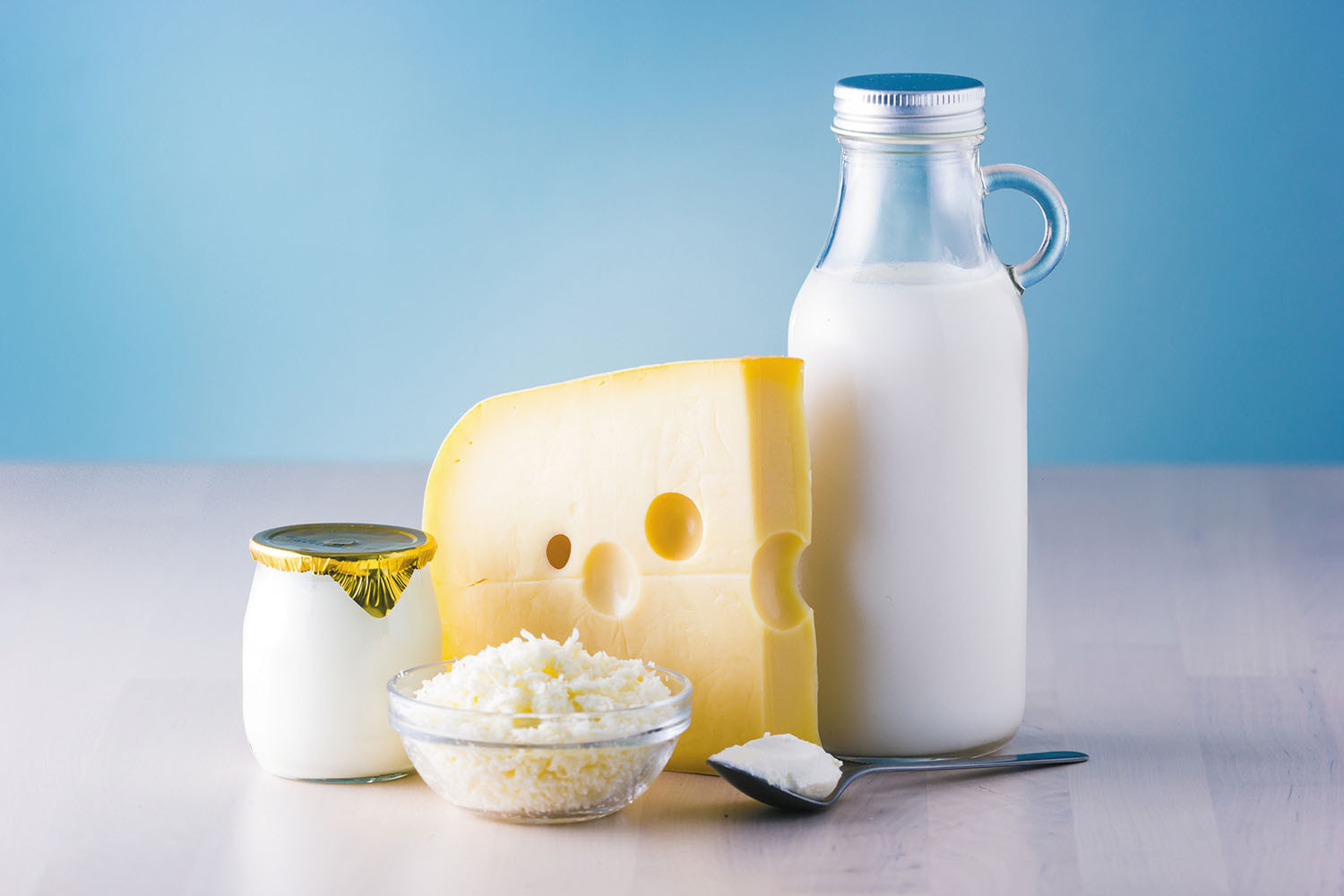
The dish on dairy
Are dairy foods healthy, or is it best to reduce or even avoid them in your diet? Here is what the science says.
Image: © nehopelon/Getty Images
Dairy is one of the most controversial food groups. Is it healthy — or a health risk? It really depends on what you need.
"Dairy isn't necessary in the diet for optimal health, but for many people, it is the easiest way to get the calcium, vitamin D, and protein they need to keep their heart, muscles, and bones healthy and functioning properly," says Vasanti Malik, nutrition research scientist with the Harvard T.H. Chan School of Public Health.
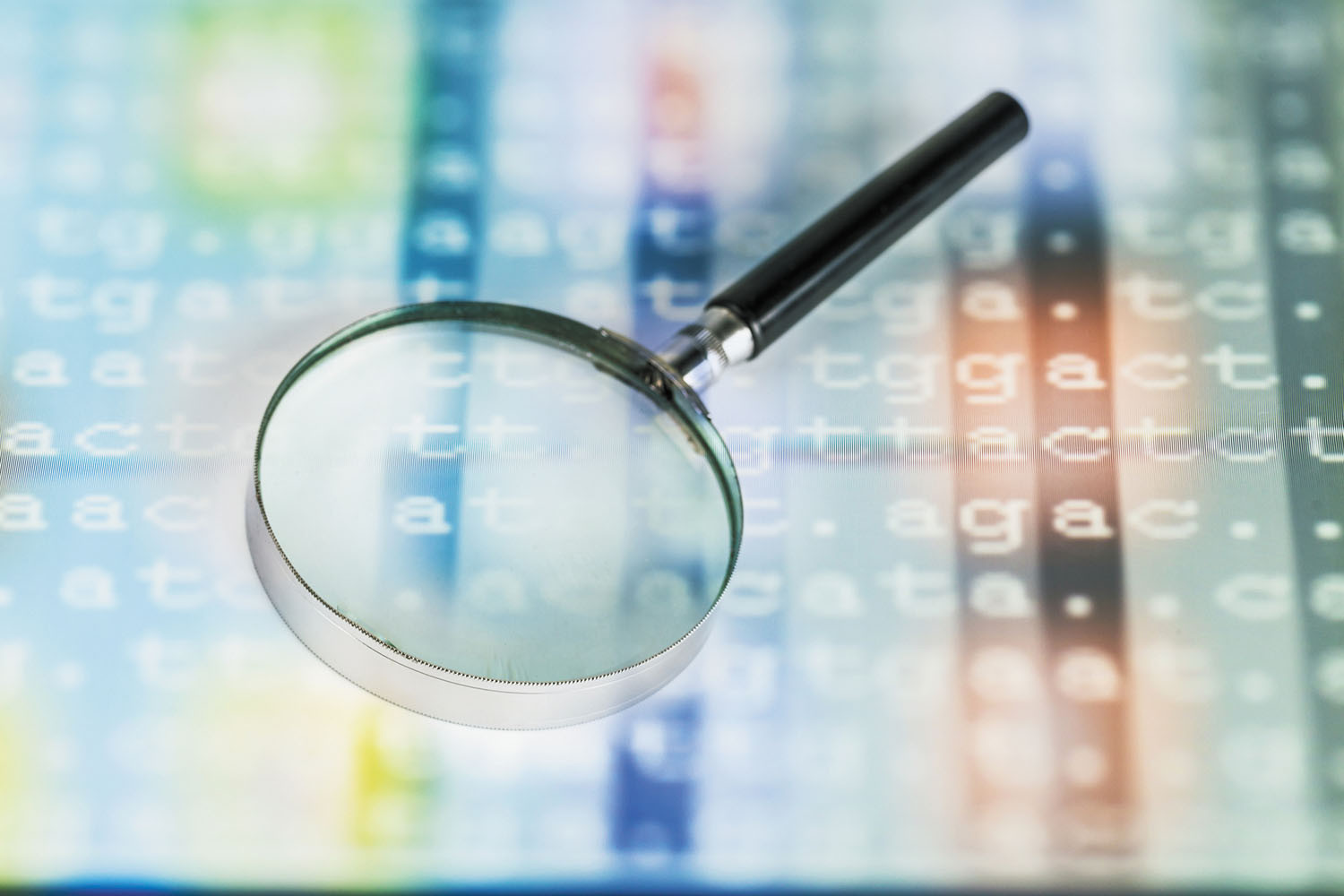
Should you get a home genetic test?
Direct-to-consumer tests may help predict risks to your future health. But are they worth the cost and trouble?
Image: © jxfzsy/Getty Images
Direct-to-consumer (DTC) genetic test kits are a popular way to identify a person's ancestral history, but the technology may also reveal whether someone is at risk for specific diseases and conditions, like Alzheimer's disease, heart disease, and even cancer.
"More and more people want to explore their own medical data, and a DTC genetic test is one way to begin to understand some aspects of your future health," says Dr. Robert Green, a medical geneticist at the Harvard-affiliated Brigham and Women's Hospital and director of the Genomes2People Research Program. "Yet it is important to realize that DTC testing is not the same as genetic testing in a medical context, and is not a comprehensive examination of your DNA."

Greater cardio fitness linked to longer life in older adults
In the journals
It's well established that aerobic exercise improves health, but a new study suggests that better cardio fitness leads to a longer life, and that the benefit may help older adults the most. The results were published online Oct. 19, 2018, by JAMA Network Open.
In the study, more than 120,000 people (59% of them men) underwent exercise treadmill testing periodically over 14 years. The researchers found that increased cardio fitness levels were directly associated with longer lives, and that people with the highest aerobic fitness levels lived the longest, especially among those over age 70.

Shorter sleep may cause dehydration
Image: © miya227/Getty Images
In the journals
Adults who sleep only six hours per night may have a higher chance of being dehydrated, compared with those who sleep longer, according to recent research published online Nov. 5, 2018, by the journal Sleep. The findings suggest that some of the symptoms of inadequate sleep, such as fatigue, fuzzy thinking, and headache in the morning, may be due to dehydration.
Researchers looked at the risk of dehydration in approximately 20,000 U.S. and Chinese adults. In both populations, people who reported sleeping six or fewer hours had up to a 59% higher risk of dehydration compared with those who slept seven to eight hours on a regular basis. The researchers speculated that the finding may reflect the nightly rhythm of a hormone called vasopressin. During sleep, the pituitary gland in the brain uses vasopressin to signal the kidneys to retain fluid in the body rather than excreting it through urine.

Eating enough daily protein may delay disability
In the journals
Eating extra protein may protect older adults from becoming disabled and help them maintain independent lives, according to a study published online Nov. 1, 2018, by the Journal of the American Geriatrics Society.
The recommended dietary allowance (RDA) for protein is 0.8 grams per kilogram of body weight per day. In the study, scientists recruited 722 85-year-olds and examined their medical data, including information like physical activity, what they ate each day, their body weight, and overall health status. Disability was measured from self-reported questionnaires in which the people described how much difficulty they had performing 17 activities of daily living, such as getting in and out of bed, dressing, bathing, doing household chores, and going up and down stairs.

Is it dangerous to sleep sitting up?
Ask the doctors
Image: © BraunS/Getty Images
Q. After I had cataract surgery and facial surgery, I loved sleeping in my recliner for days on end. Does sleeping while sitting up put my brain and vital organs at risk since the blood supply has to travel uphill?
A. Sleeping sitting up in a recliner shouldn't be harmful. It could, in some cases, raise your risk of deep-vein thrombosis, a blood clot in a limb that can occur if your arms or legs are bent and you are motionless for hours. This sometimes occurs in people who sit still for long periods of time in an airplane seat. But provided you are comfortable and can recline back slightly, there should be few risks to sleeping upright, assuming it doesn't interfere with your ability to get a good night's sleep.
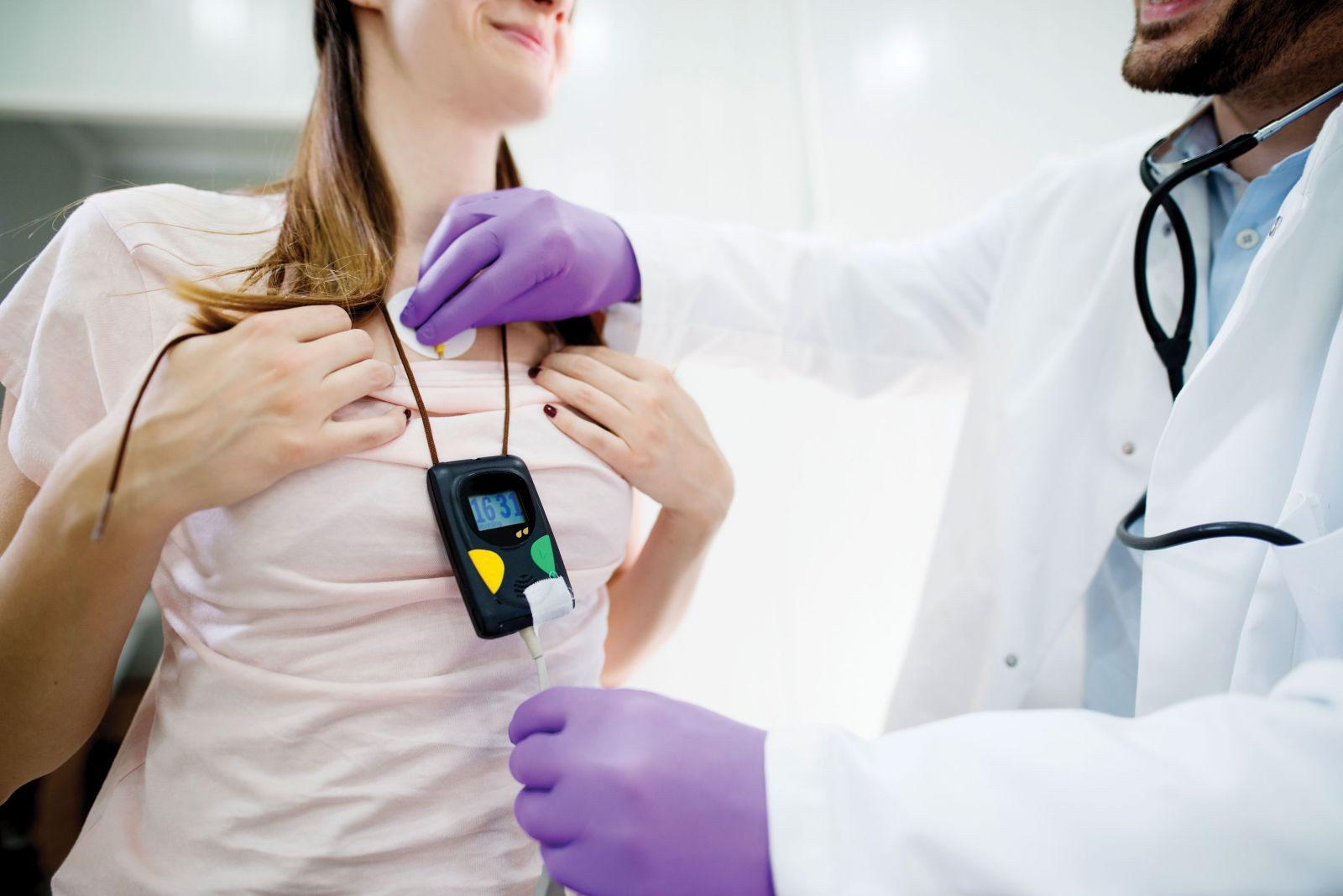
Heart palpitations: Mostly harmless
Occasionally these heart rhythm disruptions signal a more serious condition.
Image: © dusanpetkovic/Getty Images
Lately you've felt like a flipping fish is stuck inside your chest. You feel fine otherwise, but there it is again — flip, flop. It's gone as fast as it appears. But you're starting to worry: is it a sign of a serious heart problem?
Chances are what you're feeling is a condition called heart palpitations, which are usually harmless blips in the heart rhythm, explains Dr. Peter Zimetbaum, a professor of cardiovascular medicine at Harvard Medical School. Only occasionally are these rhythm disturbances the sign of a more serious heart problem that should be checked out.
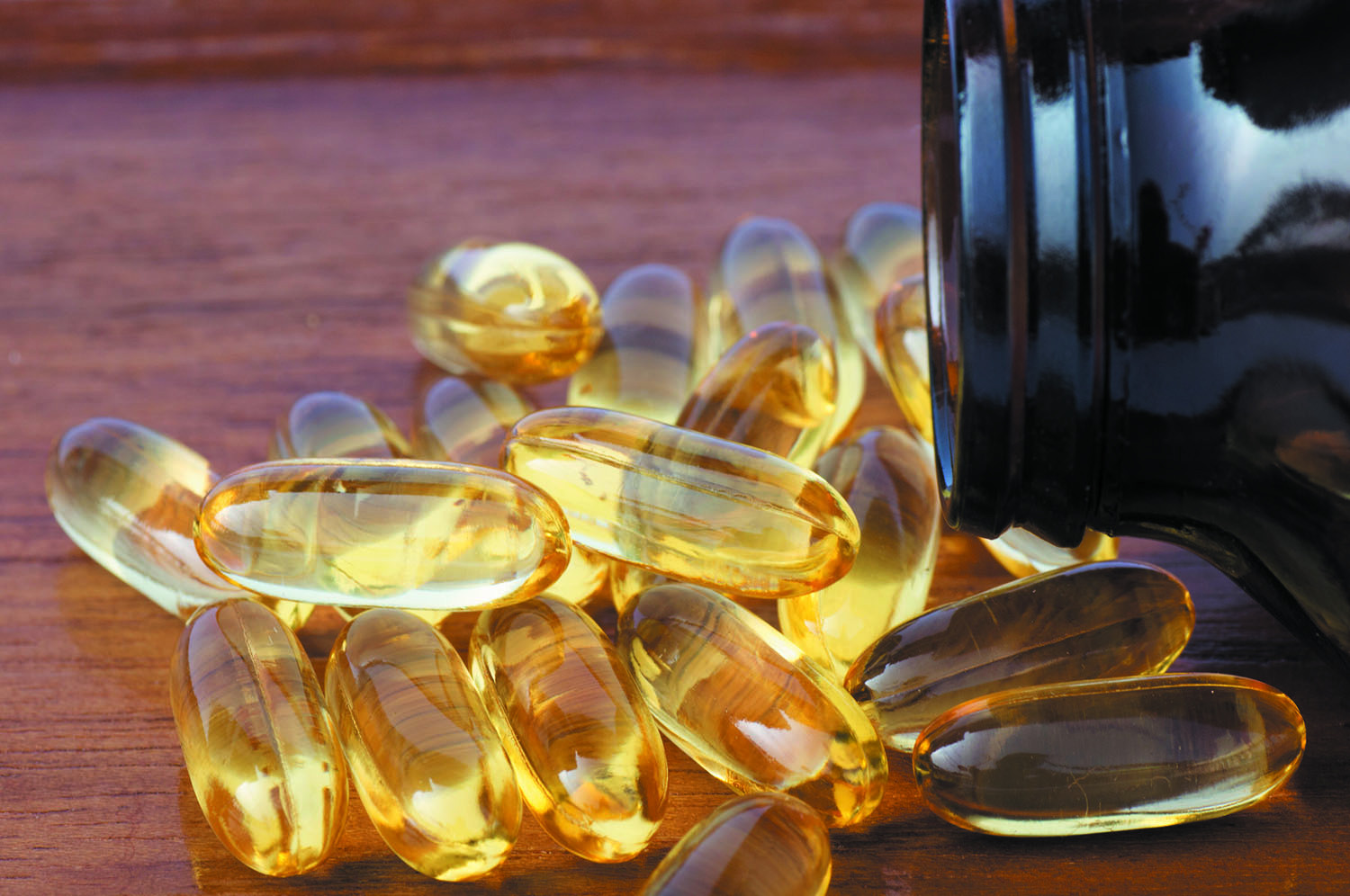
Vitamin D and omega-3 fatty acids supplements fall short when it comes to disease prevention
Image: © Hunterann/Thinkstock
Research we're watching
For years, many have speculated that taking vitamin D and omega-3 fatty acid supplements might help to prevent heart attacks, strokes, and certain cancers. But a study by Harvard researchers published online November 10, 2018, by The New England Journal of Medicine has found that the benefits may be more limited than originally hoped.
The results of the Vitamin D and Omega-3 Trial (VITAL), which enrolled more than 25,000 people and ran for more than five years, showed that while omega-3 supplements did appear to reduce the risk of heart attack, particularly among African Americans, they did not appear to be effective in preventing stroke or cancer. Vitamin D supplements also saw few benefits when it came to preventing heart attack, stroke, or cancer — but they were associated with a drop in cancer deaths in people who had taken the supplements for at least a year or two.

Even a little exercise linked with lower stroke risk in people with afib
Testosterone therapy without evidence of deficiency may boost heart risk
Weight-loss drug may lower risk of heart attacks and infections
What to eat on the DASH diet
Migraine: How it's diagnosed and what that means
Tricep workouts you can do at home
Mindfulness practices to reduce stress and improve focus
Antihistamines may not offer meaningful relief from eczema symptoms
Overweight and taking blood pressure medications: Study finds it's a trend that's working
FDA approves first mRNA-based flu vaccine
Free Healthbeat Signup
Get the latest in health news delivered to your inbox!
Sign Up
