

Even a little exercise linked with lower stroke risk in people with afib

Testosterone therapy without evidence of deficiency may boost heart risk

Weight-loss drug may lower risk of heart attacks and infections

What to eat on the DASH diet

Migraine: How it's diagnosed and what that means

Tricep workouts you can do at home

Mindfulness practices to reduce stress and improve focus

Antihistamines may not offer meaningful relief from eczema symptoms

Overweight and taking blood pressure medications: Study finds it's a trend that's working

FDA approves first mRNA-based flu vaccine
Sleep Archive
Articles

Is it time to consider using medical marijuana?
The stigma is fading, but learn the pros and cons before trying it.
Despite the hype and popularity of medical marijuana, you may not be sure if it's something to consider. You're right to be cautious; the use of marijuana to treat health problems is still being studied, and we don't have all the answers about its risks and benefits.
We do know that medical marijuana use among older adults is increasing. "Older adults tend to use it for physical ailments. No. 1 is chronic pain. Insomnia is another big one, too. Older people have a hard time sleeping, and there aren't a lot of other safe options," says Dr. Peter Grinspoon, a primary care physician with Harvard-affiliated Massachusetts General Hospital.

Giving telemedicine a try
Here's what you need to know so you can see your doctor without leaving home.
Remember when "virtual" doctor visits became available a few years ago? Being able to chat with a doctor on a video call instead of an in-person office exam was novel, but it never caught on as a mainstay of treatment.
That changed in the spring of 2020, when the pandemic hit and telemedicine rocketed from novelty to necessity. "At Massachusetts General Hospital and Brigham and Women's Hospital, we did 1,600 virtual encounters across the system in February. In March it was 89,000, and in April it was 242,000. That's the kind of growth we're experiencing," says Dr. Joseph Kvedar, a dermatologist with Harvard-affiliated Massachusetts General Hospital, senior advisor for virtual care at Partners HealthCare, and president of the American Telemedicine Association.

How do I measure exercise intensity?
On call
Q. Exercise guidelines recommend a certain number of hours per week, depending on whether it's moderate or vigorous intensity. So how do I measure exercise intensity?
A. Outside of a physiology laboratory, there really is no standard agreement on how people should gauge their level of exercise intensity.

People know sun protection is important, but often skip it
Research we're watching
While more than three-quarters of Americans say that sun protection is important, less than half actually use it on a regular basis when they're heading outside, according to a survey by the American Academy of Dermatology. Some 28% of those polled said they rarely or never use sun protection, which includes using sunscreen, staying in the shade outside whenever possible, and wearing clothing such as hats or other items that can protect against the sun's rays. Sun exposure is the leading cause of skin cancers, affecting one in every five Americans, so the AAD says it's important that people take steps to protect themselves. The AAD recommends that you
- wear sunscreen with 30 SPF or higher
- stay out of the sun between 10 a.m. and 2 p.m., when its rays are the most intense
- use clothing to protect your skin, such as a hat and long-sleeved shirt.
Image: © Aleksej Sarifulin/Getty Images

Three moves for better spine health
Spinal instability can contribute to low back pain, but the "big three" exercises can help.
A strong core can stabilize your spine to help keep your lower back healthy and pain-free. The muscles and ligaments surrounding your spine can weaken with age or from an injury, which can make movements like twisting, stretching, lifting, and bending difficult.
"The lower back often has to compensate for this lack of mobility, which places greater stress and burden on its muscles," says Eric L'Italien, a physical therapist with Harvard-affiliated Spaulding Rehabilitation Center.

Stay active to stay out of the hospital
News briefs
It's well established that regular exercise is healthy. But how much exercise do you need to achieve health benefits? Even just a little activity — both at home and at work — may reduce your risk of hospitalization, suggests a long-term observational study published May 6, 2020, in BMC Geriatrics. Researchers analyzed the self-reported workplace and leisure activity of 25,000 men and women ages 40 to 79 over a 20-year period. During the first 10 years of the study, people who were active were 25% less likely to be hospitalized for more than 20 days per year, compared with people who were inactive. In the second 10 years of the study, people who remained active or became active — even just slightly — were 34% less likely to be hospitalized for more than 20 days per year. Also, people who were inactive or became inactive during the study had the highest risk of being hospitalized. The take-home message: Stay as active as you can, whether it's a brisk walk most days of the week or just vigorous housework. Even a little activity protects your health.
Image: shapecharge/Getty Images
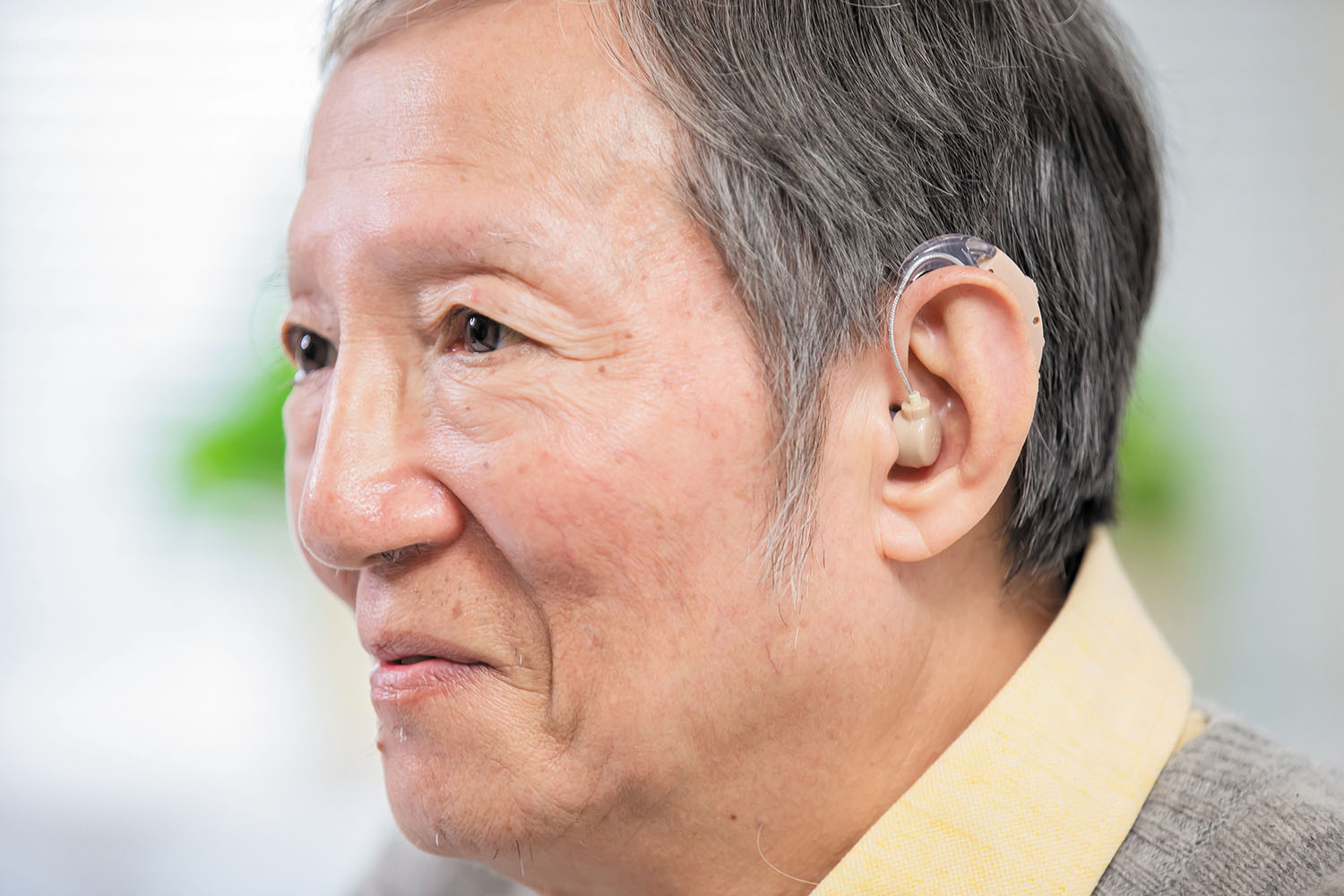
Sound check on hearing aids
Don't wait to get hearing aids if you need them. They can improve your quality of life.
Hearing aids may be a symbol of advancing age, but they also can be your means to a healthier and more vibrant life.
Research continues to show that people with age-related hearing loss who get fitted for hearing aids tend to become more active. Some science has even suggested they have fewer cognitive issues.

Aspirin linked to fewer digestive tract cancers
In the journals
Scientists continue to explore the health benefits versus risks of aspirin therapy. One new analysis suggests that taking aspirin may protect against several types of digestive tract cancers. The results were published online April 1, 2020, by Annals of Oncology.
Researchers examined 113 observational studies of cancer in the general population. They found that individuals who took aspirin regularly — at least one or two tablets a week — had significantly lower rates of cancers of the bowel, stomach, gallbladder, esophagus, pancreas, and liver, compared with people who did not take aspirin.

Midlife isn’t too late for stroke prevention
Lifestyle improvements, such as quitting smoking and exercising more, can reduce your risk of a stroke.
A stroke may seem like a sudden, uncontrollable event — a lightning strike out of the blue. But in reality, stroke risk often builds over time, and many strokes are preventable. A study published in the May 2020 issue of Stroke found not only that lifestyle changes can help you head off a potential stroke, but also that you can still reduce your risk even if you don't make these changes until later in life.
"What is novel about our study is that we found that even in middle-aged women, changing lifestyle has a large effect on preventing stroke," says Dr. Goodarz Danaei, senior author of the study and the Bernard Lown Associate Professor of Cardiovascular Health at the Harvard T.H. Chan School of Public Health. "Even in the sixth decade of life, lifestyle changes can still prevent up to a quarter of all strokes." The average age in women for a first stroke is 75.

Lifestyle changes are important for managing atrial fibrillation
Many lifestyle factors can influence the development of atrial fibrillation, and doctors now better understand the importance of these factors in treating afib. Those who are at risk of developing afib can take action to improve their health, and in some cases they may be able to reduce their symptoms.
Even a little exercise linked with lower stroke risk in people with afib
Testosterone therapy without evidence of deficiency may boost heart risk
Weight-loss drug may lower risk of heart attacks and infections
What to eat on the DASH diet
Migraine: How it's diagnosed and what that means
Tricep workouts you can do at home
Mindfulness practices to reduce stress and improve focus
Antihistamines may not offer meaningful relief from eczema symptoms
Overweight and taking blood pressure medications: Study finds it's a trend that's working
FDA approves first mRNA-based flu vaccine
Free Healthbeat Signup
Get the latest in health news delivered to your inbox!
Sign Up
