

Even a little exercise linked with lower stroke risk in people with afib

Testosterone therapy without evidence of deficiency may boost heart risk

Weight-loss drug may lower risk of heart attacks and infections

What to eat on the DASH diet

Migraine: How it's diagnosed and what that means

Tricep workouts you can do at home

Mindfulness practices to reduce stress and improve focus

Antihistamines may not offer meaningful relief from eczema symptoms

Overweight and taking blood pressure medications: Study finds it's a trend that's working

FDA approves first mRNA-based flu vaccine
Senior living and care Archive
Articles

The complicated risks of simple cold remedies
Over-the-counter cold remedies can be helpful, but they must be carefully considered before use. They contain drugs that can cause serious side effects, interact with other medications, and worsen certain health conditions. For example, decongestants can help ease a stuffy nose but also can increase blood pressure and heart rate. And cough suppressants can help someone stop coughing, but taking too much can cause dizziness, confusion, or even changes in mood or thinking.
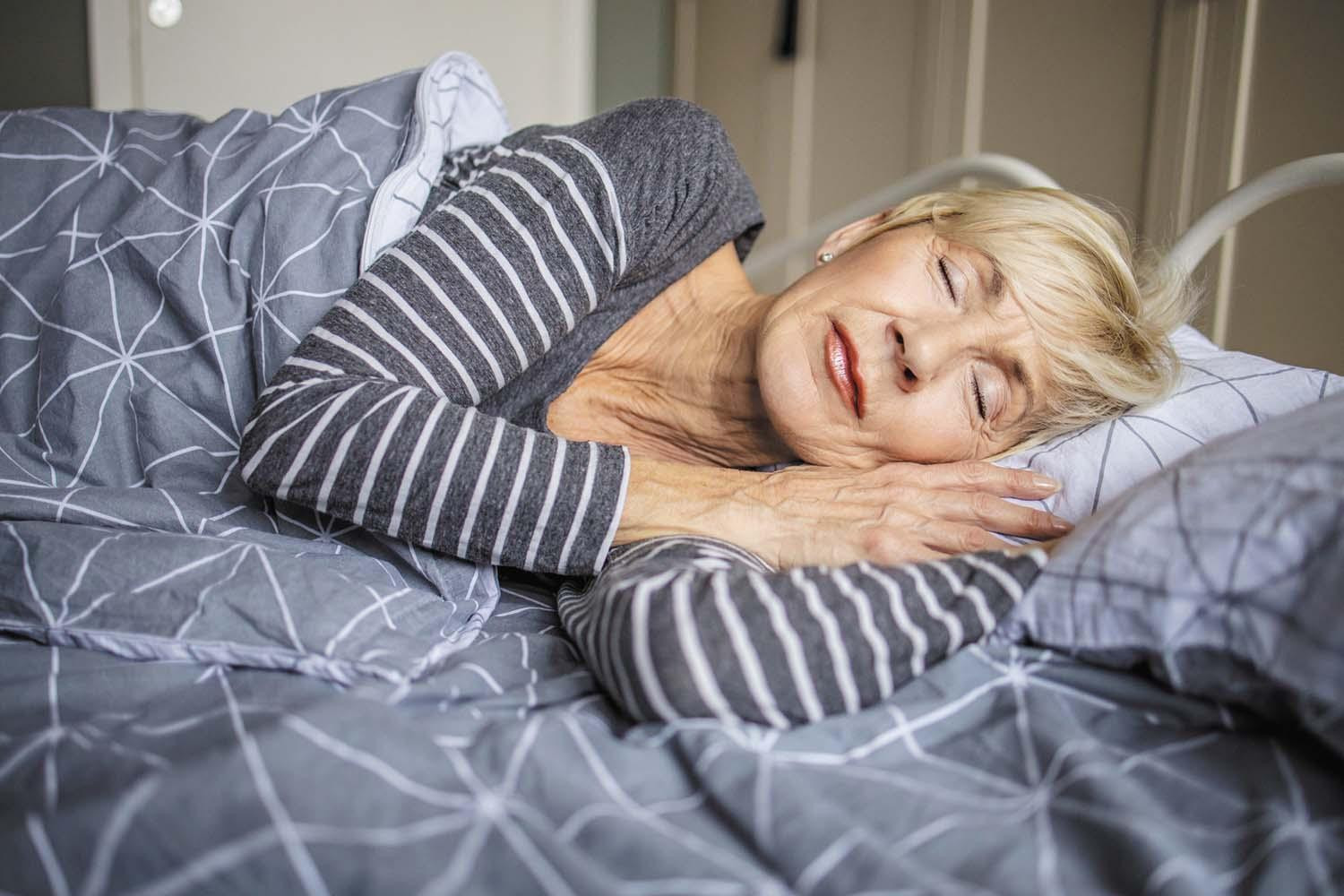
Is your sleep position helping or hurting you?
A variety of health conditions can be influenced by sleep position. Side sleeping helps people breathe easier, hampers heartburn, and is safer during pregnancy, but it may aggravate joint pain. Back sleeping keeps the spine straighter, but can intensify breathing problems, worsen heartburn, and cause other problems during pregnancy. People should talk to their doctor if they have a health condition that could be affected by the way they sleep, but otherwise can sleep in the position that is most comfortable for them.
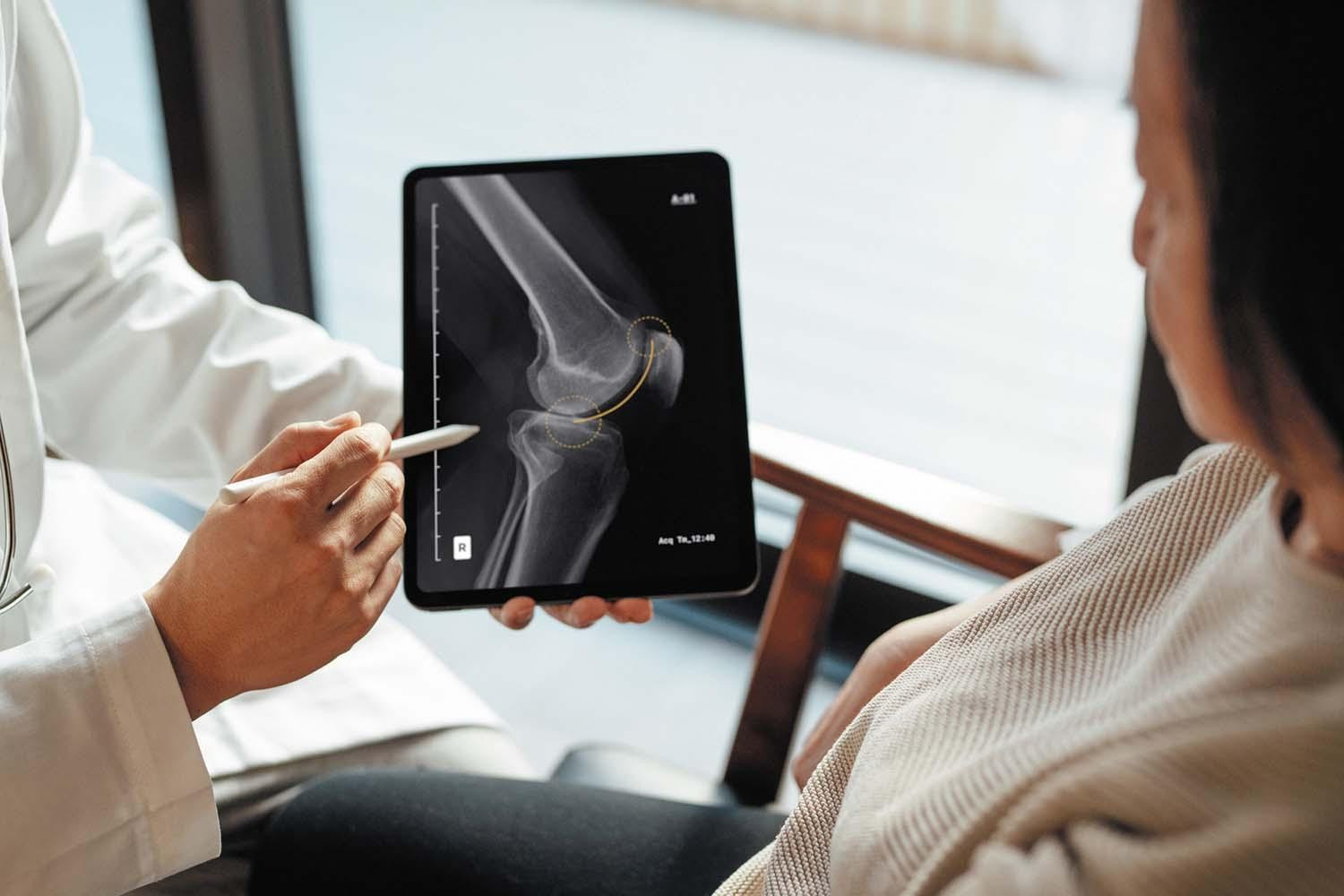
When does an injury require an x-ray?
X-rays can detect a broken bone, dislocation, or joint problem. People should seek an x-ray if an injury results in severe pain; severe or persistent swelling or bruising; difficulty moving or bearing weight; or a noticeable deformity.
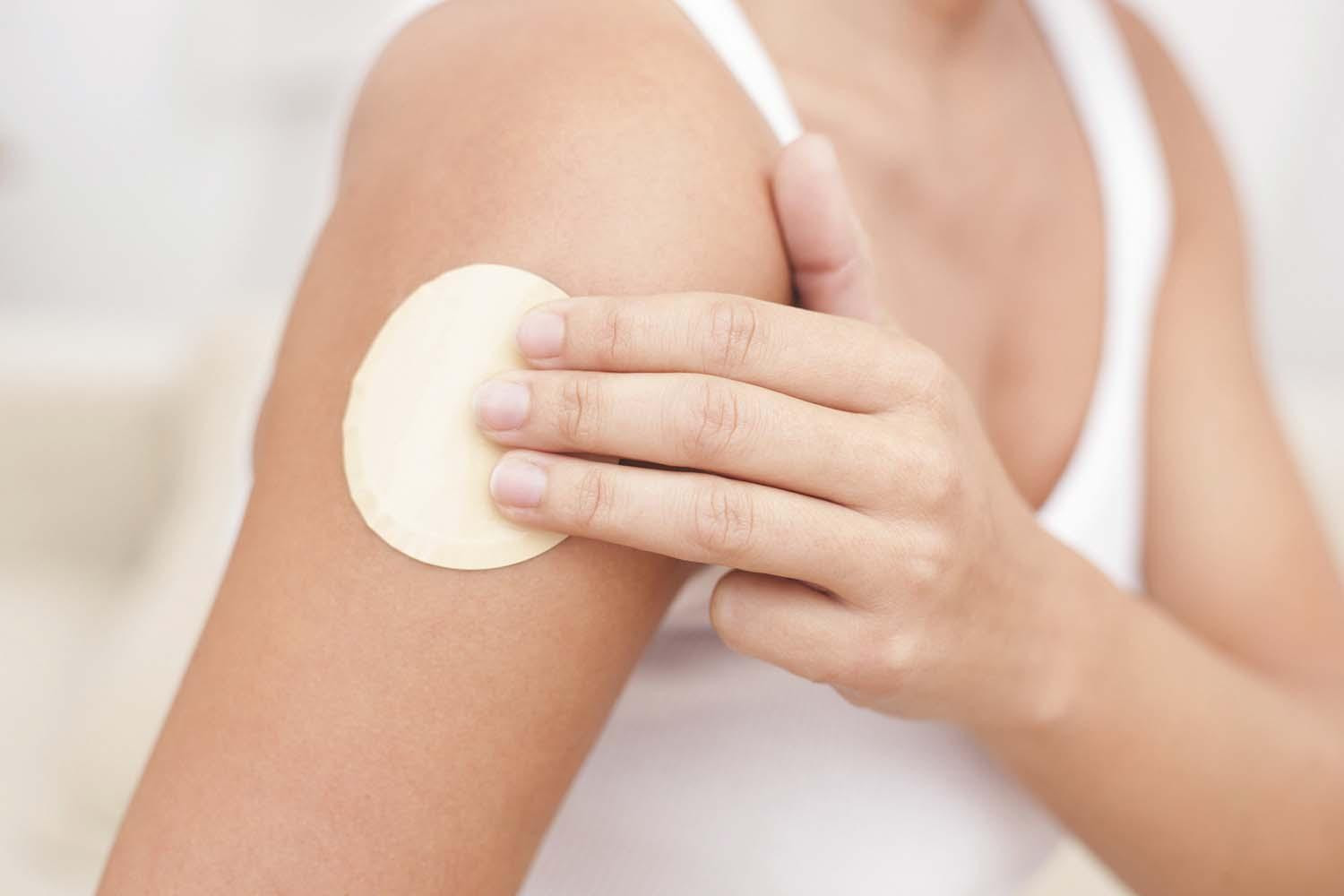
Can nicotine patches promote weight loss?
No evidence suggests that nicotine patches promote weight loss. Nicotine suppresses appetite but also raises health risks such as high blood pressure and narrowed arteries. People can talk to a doctor about medically supervised weight loss.

Flavonoid-rich foods may fuel healthier aging
A 2025 study suggests that consuming higher amounts of flavonoids such as berries, apples, oranges, and black tea may promote healthier aging, particularly in women.

Dogs and cats may slow cognitive decline
A 2025 study suggests that owning a dog or cat may help slow cognitive decline as people age.
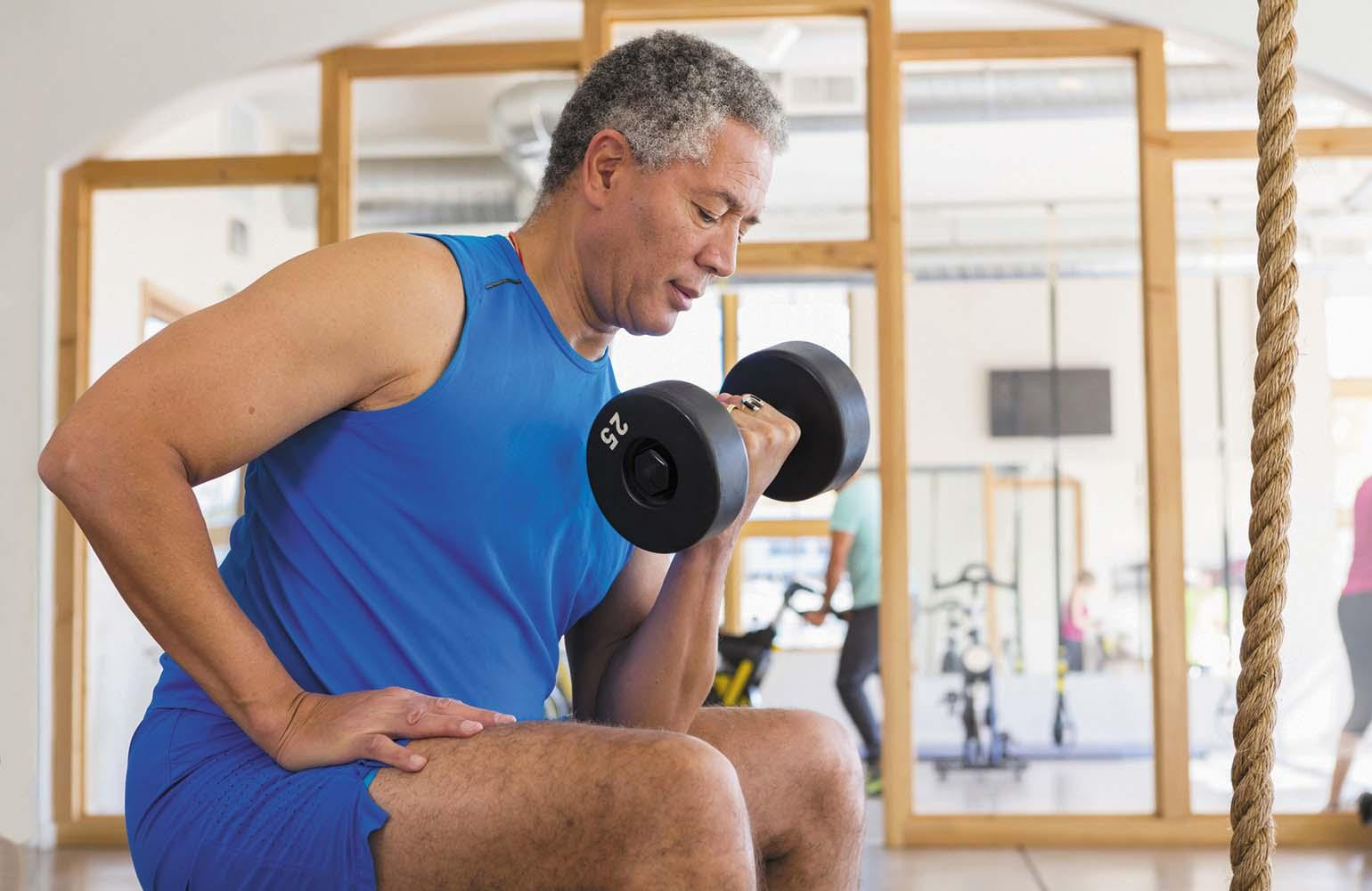
How to get rid of belly fat
Men often carry around extra belly fat and lose muscle mass as they age. An expanding waist could be sign of too much visceral fat, which is stored within the abdominal cavity and surrounds vital organs, including the pancreas, liver, and intestines. Research has shown that visceral fat can increase blood pressure, blood sugar, and total cholesterol levels, and raise the risk of fatty liver disease. Building muscle mass with resistance training and getting aerobic exercise improve muscle metabolism and help reduce visceral fat.
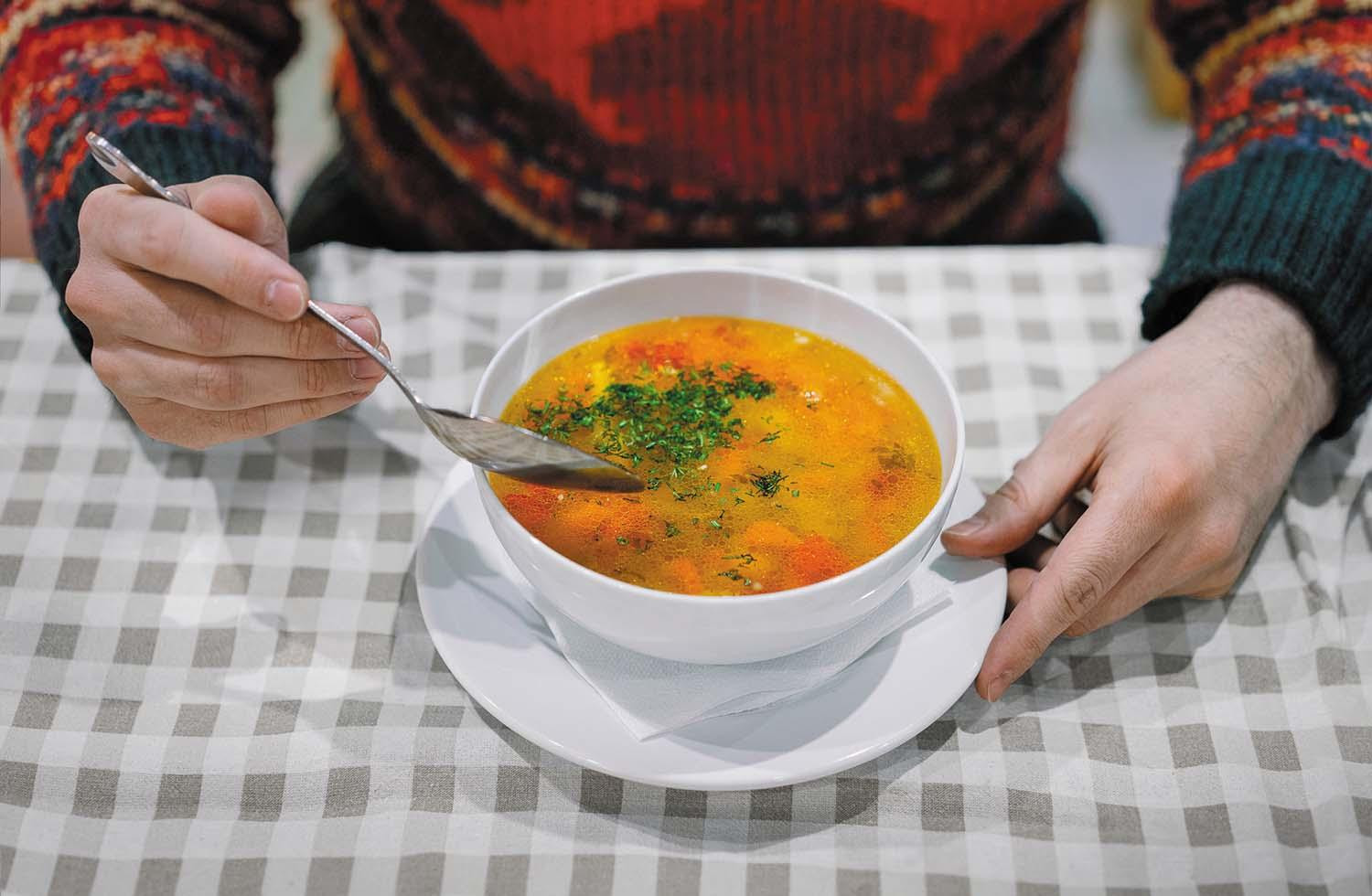
How can I keep my kidneys healthy?
People can adopt several strategies to keep their kidneys healthy, such as managing blood pressure, controlling blood sugar levels, watching salt intake, avoiding alcohol, staying hydrated, and exercising regularly.

Advancing age and mental health disorders
People have a 50% chance of developing at least one mental health disorder by age 75, according to some research. Among men, the most common are alcohol use disorder, depression, and anxiety disorders, with social anxiety disorder being the most prevalent of those. Many men miss the early warning signs of these disorders, or when they do, they often try to push through, which can worsen the symptoms. But identifying when they might have a problem is the first step toward seeking help.

Intensive care patients are at high risk for falls and injuries when they return home
People who are hospitalized and stay in an intensive care unit have a high risk for home falls and injuries after being discharged, according to a 2025 study. Implementing physical therapy and increasing patient awareness about medication side effects may help.
Even a little exercise linked with lower stroke risk in people with afib
Testosterone therapy without evidence of deficiency may boost heart risk
Weight-loss drug may lower risk of heart attacks and infections
What to eat on the DASH diet
Migraine: How it's diagnosed and what that means
Tricep workouts you can do at home
Mindfulness practices to reduce stress and improve focus
Antihistamines may not offer meaningful relief from eczema symptoms
Overweight and taking blood pressure medications: Study finds it's a trend that's working
FDA approves first mRNA-based flu vaccine
Free Healthbeat Signup
Get the latest in health news delivered to your inbox!
Sign Up
