

Even a little exercise linked with lower stroke risk in people with afib

Testosterone therapy without evidence of deficiency may boost heart risk

Weight-loss drug may lower risk of heart attacks and infections

What to eat on the DASH diet

Migraine: How it's diagnosed and what that means

Tricep workouts you can do at home

Mindfulness practices to reduce stress and improve focus

Antihistamines may not offer meaningful relief from eczema symptoms

Overweight and taking blood pressure medications: Study finds it's a trend that's working

FDA approves first mRNA-based flu vaccine
Senior living and care Archive
Articles

Common questions about medical cannabis

5 inflammation-fighting food swaps
Inflammation can be a beneficial sign that the body's immune system is fighting an infection, but it can also linger over time, damaging the body. There is evidence that eating a diet heavy in foods that promote inflammation can increase the risk for certain health problems, and also that a healthy diet can reduce inflammation.


Happy trails: Take a hike, now
After too much time spent indoors (and probably less active than is healthy), getting outside and taking a hike is a great way to get some exercise while enjoying nature. But before you hit the trail, make sure you're well prepared.

3 easy exercises to get you started with strength training
Women often skip muscle-building activities, but they're crucial to your long-term health and independence.
If you're like most American adults who work out regularly, you may squeeze in a daily walk or a quick run, or take a Zumba or aerobics class. But strength-training exercises usually don't make the list.
A 2018 study published in the American Journal of Preventive Medicine found that only about 30% of American adults ages 18 to 80 are doing strength training twice a week, as recommended. And almost 58% of those surveyed said they did none.

Moonlight may affect sleep cycles
Research we're watching
Urban legends have linked full moons to everything from werewolves to erratic behavior, but a new study connects them to something else — sleep loss. A Jan. 27, 2021, study in Science Advances found that people fell asleep later and slept for less time over all in the three to five days leading up to a full moon. The effect was even more pronounced in areas where people had less access to artificial light.
To come to their conclusions, researchers studied people in three communities in Argentina: one on the outskirts of a city, a small rural settlement with limited access to electricity, and a group of people in a remote area who had no access to electric light. The study authors also analyzed the sleep of 464 University of Washington students who took part in a sleep study. All participants wore sleep-tracking devices for at least one week and in some cases up to two months. The researchers compared their sleep patterns to the moon phases. Individuals took from 30 to 80 minutes longer to fall asleep during the lead-up to the full moon, and people lost anywhere from 20 minutes to 90 minutes of total sleep on those nights. The researchers said it's possible that the full moon made people more active at night, which is why sleep differences were more pronounced in communities with less access to electricity. Artificial light, they said, might produce a similar effect.

A rocky childhood could be bad for your heart
Childhood trauma may raise the risk of cardiovascular disease, but making lifestyle changes can help you stay healthy.
Traumatic childhood experiences may have a lasting effect on your heart health.
A review published online Dec. 2, 2020, by JAMA Cardiology found that adults who had multiple adverse childhood experiences (ACEs) — like being neglected; suffering physical, sexual, or emotional abuse; or witnessing violence at home — had double the risk of cardiovascular disease and an early death compared with people who didn't face any ACEs at all.

Should I get a COVID-19 vaccine if I've had dermal fillers?
In rare cases, people who have had cosmetic dermal fillers experience swelling after receiving the COVID-19 vaccine, but this shouldn't stop people with fillers from being vaccinated.
Shedding your skin
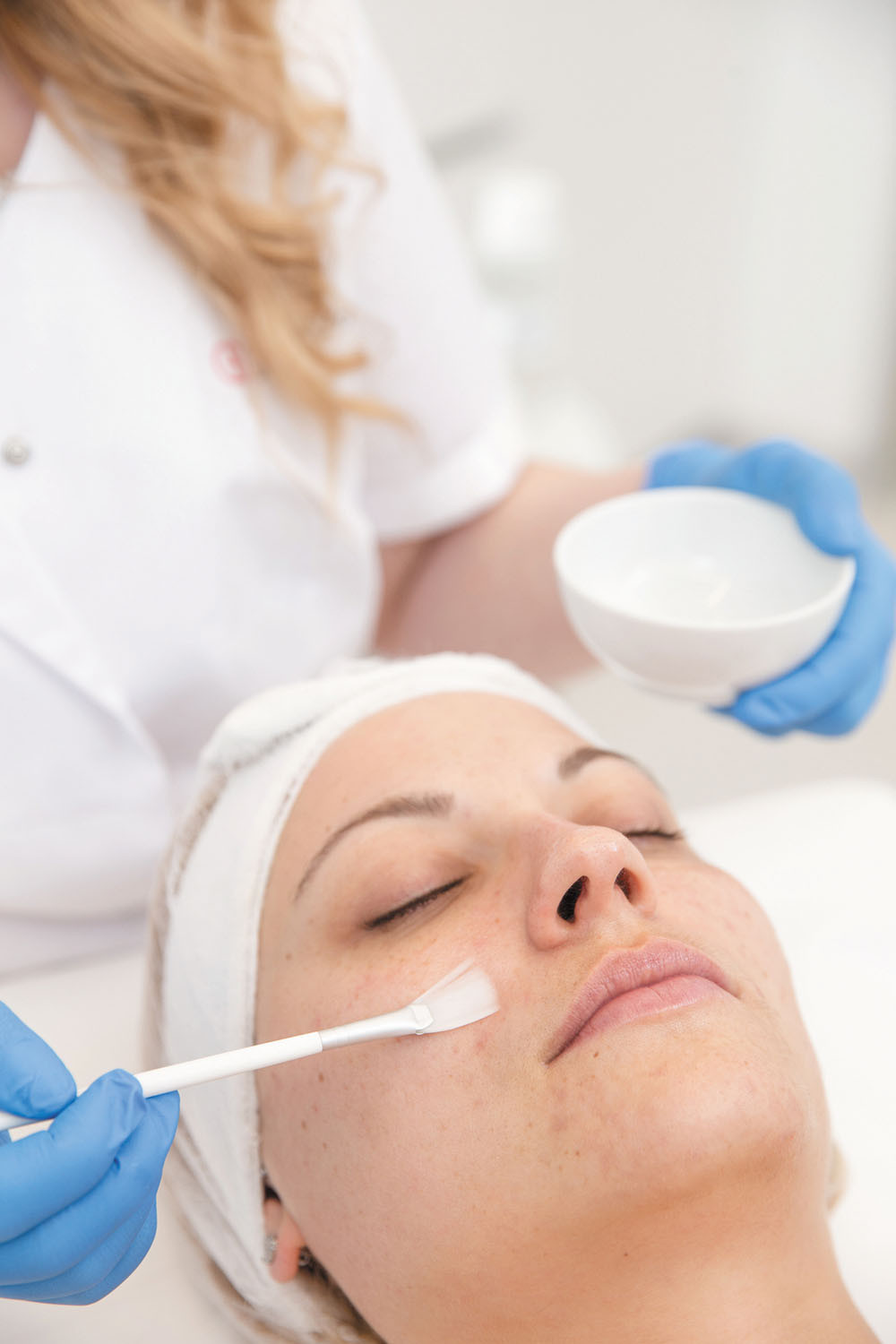
Chemical peels can help improve your skin, if you choose the right product and follow safety instructions.
As you age, your skin changes, and not always in a good way. Some of the most common problems are caused by sun damage, including dark spots, rough texture, fine lines, and wrinkles. Chemical peels, which use a chemical solution to remove the top layers of the skin, are billed as one way to target these changes and improve the skin. Peels can be done at home, in a medical spa, or at a dermatologist's office. But the question is, are they really effective or good for your skin?
Dr. Hye Jin "Leah" Chung, assistant professor in the Department of Dermatology at Harvard Medical School, says yes, chemical peels can help your skin. But that endorsement comes with a caveat, she says. "They are beneficial as long as you use the right agent and the right technique," says Dr. Chung. Used incorrectly, chemical peels can be harmful and even cause burns or pigment changes.
Even a little exercise linked with lower stroke risk in people with afib
Testosterone therapy without evidence of deficiency may boost heart risk
Weight-loss drug may lower risk of heart attacks and infections
What to eat on the DASH diet
Migraine: How it's diagnosed and what that means
Tricep workouts you can do at home
Mindfulness practices to reduce stress and improve focus
Antihistamines may not offer meaningful relief from eczema symptoms
Overweight and taking blood pressure medications: Study finds it's a trend that's working
FDA approves first mRNA-based flu vaccine
Free Healthbeat Signup
Get the latest in health news delivered to your inbox!
Sign Up
