

Even a little exercise linked with lower stroke risk in people with afib

Testosterone therapy without evidence of deficiency may boost heart risk

Weight-loss drug may lower risk of heart attacks and infections

What to eat on the DASH diet

Migraine: How it's diagnosed and what that means

Tricep workouts you can do at home

Mindfulness practices to reduce stress and improve focus

Antihistamines may not offer meaningful relief from eczema symptoms

Overweight and taking blood pressure medications: Study finds it's a trend that's working

FDA approves first mRNA-based flu vaccine
Physical activity and exercise Archive
Articles

The dark side of daylight saving time
The start of daylight saving time in the spring can have a profound impact on people's well-being. Moving the clock ahead one hour can cause sleep deprivation, affect focus and concentration, and exacerbate existing problems like depression, anxiety, and seasonal affective disorder. People can lessen the effect by taking steps a week prior to the time change, such as adjusting their sleep schedule, getting more light exposure, and cutting back on caffeine and alcohol.

Watch out for bogus supplement claims
In November 2022, the FDA called out seven supplement companies for illegally claiming their products could treat or prevent cardiovascular disease, such as atherosclerosis or heart failure.

Pondering a new knee? Try this as you gear up for the decision
People with knee arthritis who don't feel ready for joint replacement can take a number of steps as they ponder the possibility. These include getting knee injections or wearing a brace to reduce pain, modifying activities (such as exercise) that aggravate knee pain, losing weight to take pressure off the knee joint, exercising more to help with weight control, seeking physical therapy, getting underlying health conditions under control, doing research about knee replacement, and talking to an orthopedic surgeon.
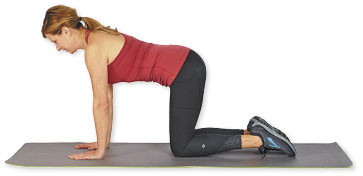
Move of the month: Opposite arm and leg raise
The core muscles include those of the abdomen, lower back, front of hips, and spine. Many popular sports such as cycling, golf, tennis, and swimming depend on a stable, flexible core.

Exercising when you have a heart condition
For people with all types of cardiovascular disease, regular exercise helps prevent the disease from getting worse. Even very short exercise stints can make a difference. Many people with heart disease qualify for cardiac rehabilitation, which includes an exercise stress test that shows how your heart and body respond to exertion. The results can inform recommendations for safe, effective physical activity.

Shift work can harm sleep and health: What helps?
Mounting evidence paints a worrisome picture of the potential health consequences of nontraditional shift work schedules. So how can people who are required to work during the night and sleep during the day protect their health and well-being?

What makes your heart skip a beat?
The human heart normally keeps a predictable pace, but occasionally you might notice a sensation that feels like your heart is racing, fluttering, or has skipped a beat. While this can be alarming, it's usually not a cause for concern.

Short bursts of exercise may offer big health benefits
Performing at least 15 minutes of vigorous exercises per week, which includes several short bouts lasting up to two minutes, may lower a person's risk of heart disease, cancer, and early death.

Healthy gut, healthy heart
The gut is home to trillions of microbes, collectively known as the gut microbiota, which help with digestion, manufacture certain nutrients, and release various substances that have wide-ranging health effects, including on cardiovascular health. As diet plays a significant role in the composition of the gut microbiota, people's diet can indirectly affect heart health. Following a plant-based diet that emphasizes less red meat and more fiber can support the gut and its heart-healthy benefits.
Do I still need a colonoscopy?
A 2022 study led to questions regarding whether colonoscopy is the best strategy to reduce the risk of death from colon cancer. But overwhelming evidence supports the procedure for lowering the risk of colon cancer and related death, and experts continue to recommend people at average risk get at least one colonoscopy beginning at age 45.
Even a little exercise linked with lower stroke risk in people with afib
Testosterone therapy without evidence of deficiency may boost heart risk
Weight-loss drug may lower risk of heart attacks and infections
What to eat on the DASH diet
Migraine: How it's diagnosed and what that means
Tricep workouts you can do at home
Mindfulness practices to reduce stress and improve focus
Antihistamines may not offer meaningful relief from eczema symptoms
Overweight and taking blood pressure medications: Study finds it's a trend that's working
FDA approves first mRNA-based flu vaccine
Free Healthbeat Signup
Get the latest in health news delivered to your inbox!
Sign Up
