

Fatty liver disease: Should you be tested?

Even a little exercise linked with lower stroke risk in people with afib

Testosterone therapy without evidence of deficiency may boost heart risk

Weight-loss drug may lower risk of heart attacks and infections

Migraine: How it's diagnosed and what that means

Tricep workouts you can do at home

Mindfulness practices to reduce stress and improve focus

Antihistamines may not offer meaningful relief from eczema symptoms

Overweight and taking blood pressure medications: Study finds it's a trend that's working

FDA approves first mRNA-based flu vaccine
Physical activity and exercise Archive
Articles

Can apple cider vinegar curb appetite?
Drinking apple cider vinegar before bedtime isn't proven to curb appetite or promote weight loss. Doing so can also lead to heartburn or reflux and erode tooth enamel. To consume it more safely, people can blend apple cider vinegar with water or into salad dressings.

Medication-taking made easier
About half the time, people alter how much, how often, or how long they take a prescribed medication, or they don't take it at all. This phenomenon, called medication nonadherence, can gravely threaten people's health, and is linked to about 125,000 deaths annually. People might not be able to comply with their drug regimen if they feel they take too many drugs, they don't like the side effects, the prescriptions cost too much, or they have memory problems or depression. Doctors should review medication lists and remove what patients no longer need.

Weekly aerobic exercise may help reduce flu and pneumonia deaths
A 2023 study found that people who met guidelines for engaged weekly aerobic activity had a lower risk of dying from pneumonia or influenza than those who did no activity.

Eating junk food may affect deep sleep
A new study found that eating an unhealthy diet high in processed food can affect people's deep sleep, the stage when the pituitary gland in the brain releases hormones to build and repair muscles and bones as well help boost cognitive function and memory.

Try this: All aboard for paddleboarding
Paddleboarding is a popular water sport in which people stand or kneel on a "surfboard" and use a long paddle. It's a great stress buster, and it can help improve balance and strengthen key muscles, like those in the core, back, arms, and shoulders.

Is it okay to take multivitamins?
The general consensus is that healthy people who eat right need a vitamin or mineral supplement only if they have a diagnosed vitamin or mineral deficiency. Still, multivitamins may provide a safety net to fill dietary nutrition gaps even for people who mostly eat healthy. Studies have shown that taking multivitamins as prescribed usually doesn't cause any serious issues, and many over-the-counter brands are relatively inexpensive. Some people also view taking a daily multivitamin as another way to support a healthy lifestyle.
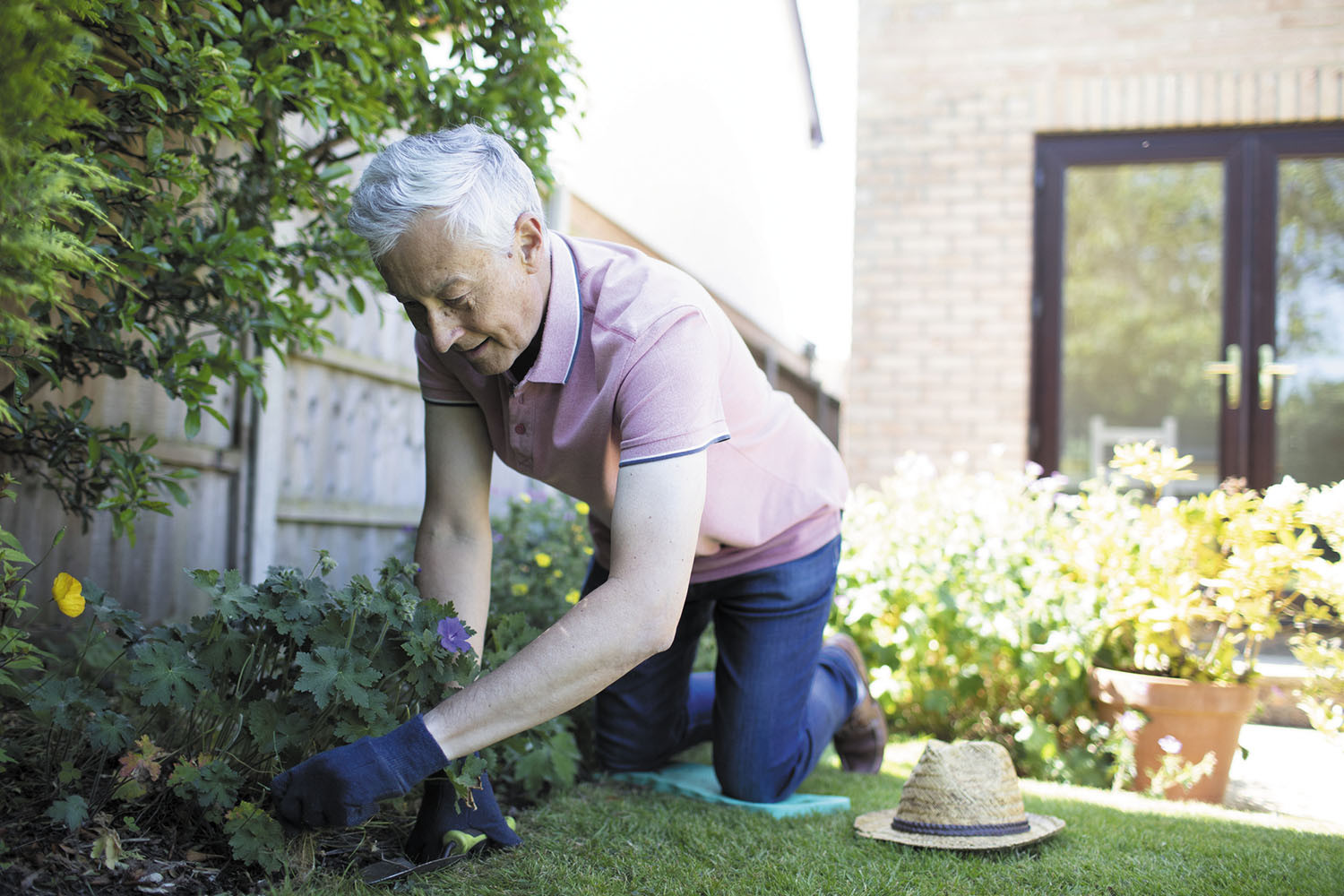
Rising up from a fall
Older adults need to safely be able to sit and rise from the ground whether kneeling in the garden, looking for something under the bed, or playing on the floor with the grandkids. This movement is also helpful when getting up after a fall. Three exercises that can help older adults with daily up-and-down mobility are kneel-to-stand, crawling, and sit-to-stand.

Physical activity may lower Parkinson's risk in women
A 2023 study suggests regular physical activity, including walking, climbing stairs, gardening, and cleaning, may help prevent or delay the onset of Parkinson's disease in women.

When fatigue leaves you drained, depleted, and dumbfounded
Fatigue affects up to three-quarters of older adults with chronic conditions. Some causes are obvious, while others are less well recognized. They include sleep disorders, anemia, poor diet, thyroid problems, mood disorders, and medication use. People with prolonged, unexplained fatigue should see a doctor, who will perform a physical exam, ask about medical history, and in some cases perform blood or other tests. People can boost energy levels by exercising more, optimizing diet, using caffeine strategically, and limiting alcohol consumption.

How to avoid this common pickleball injury
Pickleball elbow is a type of tendinitis called lateral epicondylitis. The injury can result from gripping a pickleball paddle tightly for long periods or repeatedly twisting and turning the wrist while preparing to hit the ball. To avoid pickleball elbow, doctors recommend that players improve their muscle strength, use a paddle with the right grip size, build time on the court gradually, warm up their muscles before playing, stretch muscles afterward, ice their elbows after playing, and get guidance to hone their pickleball technique.
Fatty liver disease: Should you be tested?
Even a little exercise linked with lower stroke risk in people with afib
Testosterone therapy without evidence of deficiency may boost heart risk
Weight-loss drug may lower risk of heart attacks and infections
Migraine: How it's diagnosed and what that means
Tricep workouts you can do at home
Mindfulness practices to reduce stress and improve focus
Antihistamines may not offer meaningful relief from eczema symptoms
Overweight and taking blood pressure medications: Study finds it's a trend that's working
FDA approves first mRNA-based flu vaccine
Free Healthbeat Signup
Get the latest in health news delivered to your inbox!
Sign Up
