

Even a little exercise linked with lower stroke risk in people with afib

Testosterone therapy without evidence of deficiency may boost heart risk

Weight-loss drug may lower risk of heart attacks and infections

What to eat on the DASH diet

Migraine: How it's diagnosed and what that means

Tricep workouts you can do at home

Mindfulness practices to reduce stress and improve focus

Antihistamines may not offer meaningful relief from eczema symptoms

Overweight and taking blood pressure medications: Study finds it's a trend that's working

FDA approves first mRNA-based flu vaccine
Physical activity and exercise Archive
Articles

Does a low-salt diet really improve your health?
Using salt substitutes containing potassium chloride instead of using sodium chloride (table salt) may help reduce heart attack and stroke risk. A Harvard study published online Nov. 13, 2021, by The New England Journal of Medicine found that people who consumed the most sodium chloride had a 60% higher risk of a major cardiovascular event (a heart attack, a stroke, cardiac stent placement, or surgery) compared with those who consumed the least. People who consumed the most potassium chloride had a 31% lower risk of a major cardiovascular event compared with the people who consumed the least.

5 common foot problems and how to cope with them
Many conditions affect the feet and can cause pain. Five common problems are bunions, fallen arches, hammertoes, ingrown toenails, and plantar fasciitis. Fortunately, there's a wide range of treatments for relief. New approaches include stretching the calf muscles to improve the way feet fit into orthotic insoles; shock-wave treatment for plantar fasciitis; and minimally invasive surgeries for bunions and hammertoes that involve small instruments and incisions. Tried-and-true therapies include soaking feet when an ingrown toenail causes pain, or wearing a splint at night for plantar fascitis.

Supplementing your sleep
Sleep supplements, such as cannabidiol (CBD), melatonin, valerian, and chamomile promise a better night's sleep. But there is little evidence showing that they are effective. In addition, supplements aren't regulated, so it's not always clear if a formula contains what's listed on the label. Experts say that behavioral strategies are a better way to improve sleep. These include getting more exercise, going to bed and waking up at the same time each day, and sleeping in a cool, dark room.
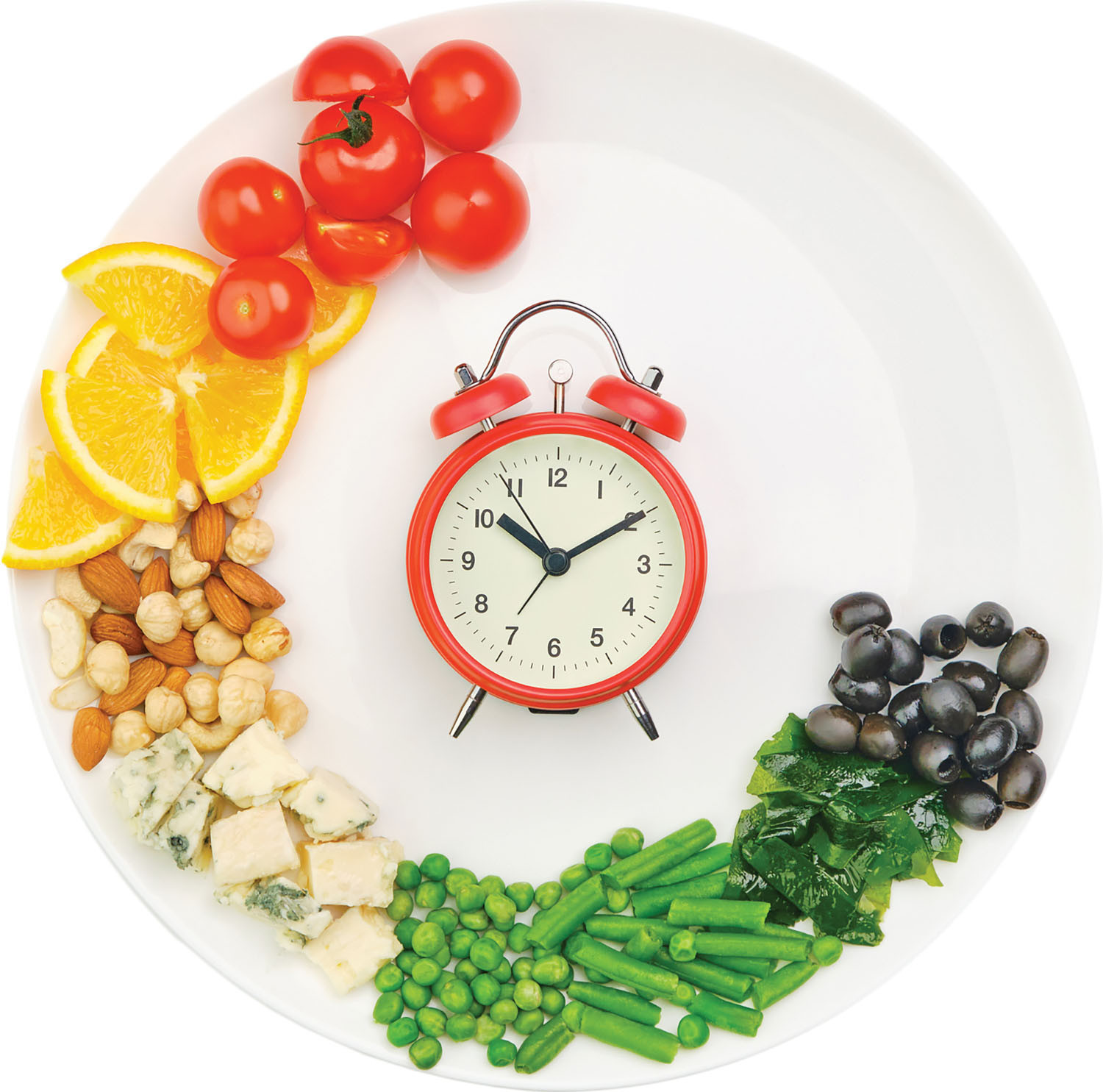
Scheduled fasting may help with weight loss
A 2021 study verified that intermittent fasting may be an effective weight-loss strategy. It also seemed to improve some measures of risk for cardiovascular disease, such as lowering blood pressure, cholesterol, and blood sugar.

Don't waste time (or money) on dietary supplements
In 2022, Americans are projected to spend $35.6 billion on dietary supplements, even though there is little, if any, evidence of benefits. Loopholes in guidelines and clever marketing allow companies to promote these products with misleading promises. While some people may need specific supplements to help with deficiencies, for the average healthy person, following a diet with plenty of fruits and vegetables provides all essential vitamins and minerals.

Eating more olive oil linked to longer life span
Consuming more than a half tablespoon of olive oil per day may protect people from cardiovascular disease, cancer, and Alzheimer's disease, according to a 2022 study.

You don’t say? Earwax: Stay or go?
The ear can naturally clean its canal of excess wax. However, for hardened wax, people can do home flushing with over-the-counter earwax remover, hydrogen peroxide, or warm baby oil or mineral oil. They should avoid using cotton swabs.

Sexual fluidity and the diversity of sexual orientation
It's a common misconception that sexual orientation develops at an early age and remains stable throughout a person's life. Yet differing forms of sexual fluidity are a common thread in many lives and understanding changes in attraction, identity, and behavior underpinning this can help dispel misconceptions and reduce stigma.


Sex, drugs, and depression: What your doctor needs to know
For many people, a visit to the doctor causes anxiety, and discussing sensitive subjects like sexual problems, substance use, or mental health issues is even more likely to induce discomfort. But these discussions can be less anxiety-inducing and more productive if people know what to expect.
Even a little exercise linked with lower stroke risk in people with afib
Testosterone therapy without evidence of deficiency may boost heart risk
Weight-loss drug may lower risk of heart attacks and infections
What to eat on the DASH diet
Migraine: How it's diagnosed and what that means
Tricep workouts you can do at home
Mindfulness practices to reduce stress and improve focus
Antihistamines may not offer meaningful relief from eczema symptoms
Overweight and taking blood pressure medications: Study finds it's a trend that's working
FDA approves first mRNA-based flu vaccine
Free Healthbeat Signup
Get the latest in health news delivered to your inbox!
Sign Up
