

Even a little exercise linked with lower stroke risk in people with afib

Testosterone therapy without evidence of deficiency may boost heart risk

Weight-loss drug may lower risk of heart attacks and infections

What to eat on the DASH diet

Migraine: How it's diagnosed and what that means

Tricep workouts you can do at home

Mindfulness practices to reduce stress and improve focus

Antihistamines may not offer meaningful relief from eczema symptoms

Overweight and taking blood pressure medications: Study finds it's a trend that's working

FDA approves first mRNA-based flu vaccine
Peripheral artery disease Archive
Articles

Meal of the month: Vegetarian chili
Vegetarian chili is a filling, heart-healthy meal that can be dressed up with various toppings. Leftovers can be frozen in single-serving containers for simple dinners or lunches later.
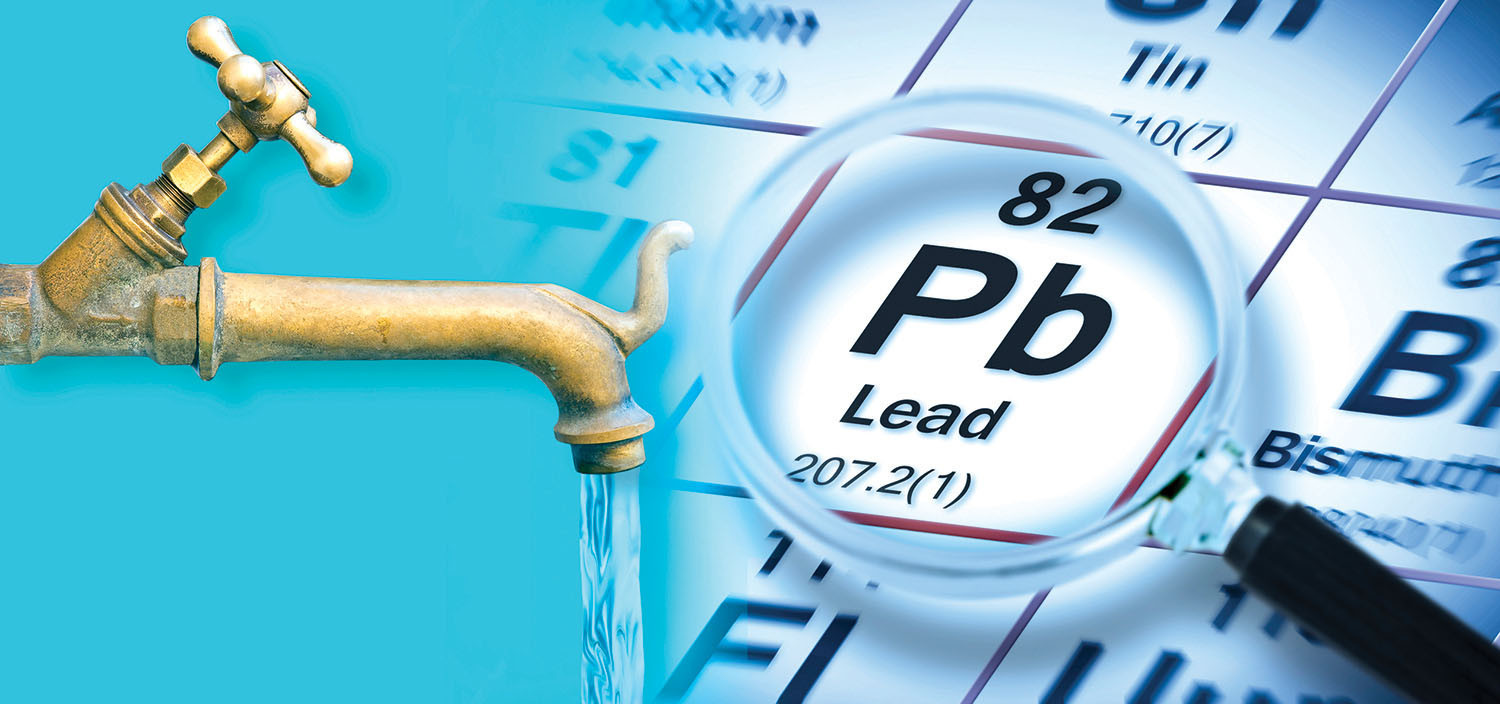
The dirt on soil and water pollution
Soil and water pollution from heavy metals, pesticides, and microplastics may affect a person's risk of cardiovascular disease. These pollutants can enter the body when people eat crops grown in dirty soil, drink water contaminated by dirty soil, or inhale soil dust. Lead, cadmium, and arsenic are among the most pressing concerns. Potentially helpful actions include testing one's drinking water, buying organic foods, and minimizing plastic use.

What is a bubble study?
A bubble study is a test done in conjunction with an echocardiogram to check for the presence of a tiny opening between the heart's upper chambers called a patent foramen ovale. Such an opening could explain how an unexpected stroke happened.

Heart health guidelines get updated
The American Heart Association recently revised its checklist for achieving optimal heart health. Adequate sleep was added, and updates were made to previous recommendations for diet, cholesterol and blood sugar measurements, and nicotine exposure.

Your guide to taking statins
Statins continue to be a first-line treatment for many people at risk of heart attacks and strokes. They help reduce cholesterol levels, reduce plaque build-up, and protect against plaque rupturing, and fight inflammation. Possible side effects are often mild, if they occur, and go away after a brief period. Otherwise, people can manage them by changing the dosage or switching to another type of statin, per their doctor's direction.

Atrial fibrillation after surgery: Common and undertreated?
After surgery unrelated to the heart, a diagnosis of atrial fibrillation (afib) may be more common than previously thought. These cases, which may constitute 13% of new afib diagnoses, appear to be undertreated.

More protection for your heart? It's just a shot away
A yearly influenza vaccine may help lower the risk of serious cardiovascular complications, especially among people who've had a recent heart attack. Pneumonia and shingles vaccines also help reduce heart attack and stroke risks. Early fall is a good time to get back on track with these vaccines. Several different types of flu shots are available; experts advise getting whichever one is most readily available. For those ages 65 and older who have a choice, three vaccines (Fluzone High-Dose Quadrivalent, Flublock Quadrivalent recombinant, and Fluad Quadrivalent adjuvanted) may offer slightly better protection than the regular-dose shot and are the preferred choice.

Can self-employment promote better cardiovascular health for women?
Being self-employed can offer advantages like flexibility and autonomy in a person's work life. Now, data from a long-term health study suggests that self-employment may provide another benefit for some women: improved health outcomes.

The case of the bad placebo
A trial from 2019 showed a medication dramatically reduced triglyceride levels in participants, but subsequent analysis found that the placebo used in the trial may have negatively affected those assigned to take it.

A lower blood pressure goal benefits some older adults
Taking an aggressive approach to lower high blood pressure with more medication can help many older adults reduce their risk for heart attacks, stroke, and heart failure. But they need to weigh the benefits with the potential side effects of extra medication.
Even a little exercise linked with lower stroke risk in people with afib
Testosterone therapy without evidence of deficiency may boost heart risk
Weight-loss drug may lower risk of heart attacks and infections
What to eat on the DASH diet
Migraine: How it's diagnosed and what that means
Tricep workouts you can do at home
Mindfulness practices to reduce stress and improve focus
Antihistamines may not offer meaningful relief from eczema symptoms
Overweight and taking blood pressure medications: Study finds it's a trend that's working
FDA approves first mRNA-based flu vaccine
Free Healthbeat Signup
Get the latest in health news delivered to your inbox!
Sign Up
