

Fatty liver disease: Should you be tested?

Weight-loss drug may lower risk of heart attacks and infections

Testosterone therapy without evidence of deficiency may boost heart risk

Even a little exercise linked with lower stroke risk in people with afib

Antihistamines may not offer meaningful relief from eczema symptoms

What to eat on the DASH diet

Tricep workouts you can do at home

FDA approves first mRNA-based flu vaccine

Migraine: How it's diagnosed and what that means

Mindfulness practices to reduce stress and improve focus
Medications and treatments Archive
Articles

Cellphone safety with a pacemaker
People who have a pacemaker or an implantable cardioverter-defibrillator (ICD) should keep cellphones and smartphones at least five to seven inches away from the device. Doing so helps prevent the rare possibility of interference between the two devices.

Could hypnotherapy help you?
Hypnotherapy helps you control or alter your thoughts, feelings, and physical state. The results may help relieve anxiety, pain, or insomnia. Image: Thinkstock |
Tap into your brain's circuitry to boost treatment for your health condition.
Must-have high-tech tools for caregivers
|
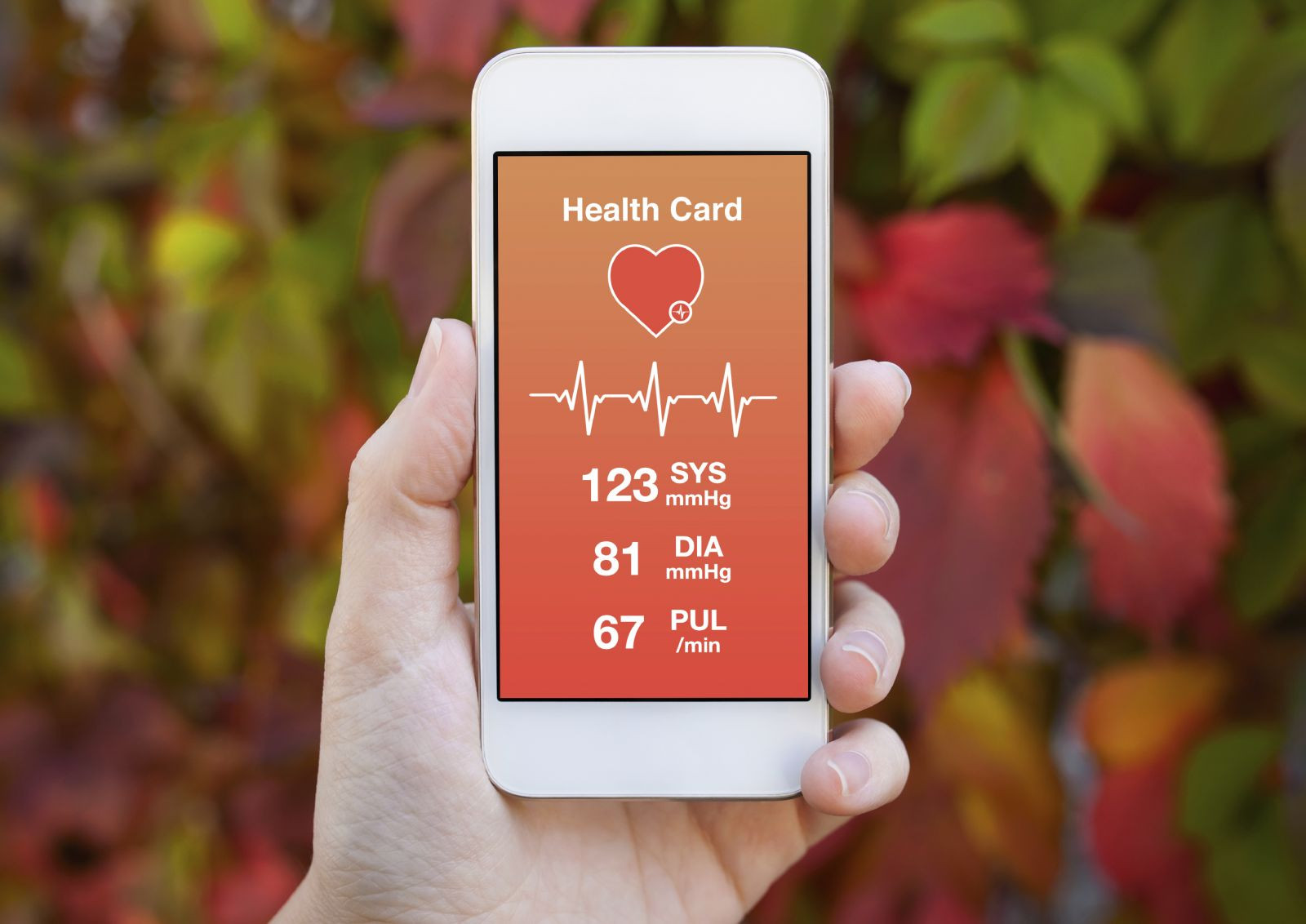
When you are caring for someone who is ill, elderly, or disabled, it's important to consider how you'll handle those times when you can't be with your loved one in person. Thankfully, today's technology offers options that can help you keep track of your loved one's safety and well-being.
Most people are familiar with the emergency response system known as Lifeline. Experts call devices and systems like Lifeline "telecare." But there's much more to telecare than emergency assistance. Today, there are a multitude of telecare devices that can help you stay informed of your loved one's activities and needs in real time.

Ask the doctor: Statins and liver tests
Q. My doctor used to check my liver function once a year after I started taking a statin drug to lower my cholesterol, but he doesn't anymore. Why not?
A. Your doctor appears to be following the latest recommendations from the American Heart Association and the FDA. When statin medications were first approved, doctors did periodic blood tests to check for liver injury. Three decades later, it is clear that serious liver injury from statins is a rare side effect and that routine blood testing does not help identify people at risk for statin-related liver problems. Therefore, routine monitoring is not a good use of money and time.

New studies support statin guidelines
Discuss your own situation and preferences with your doctor when deciding whether to take a statin. Image: Thinkstock |
But if you are healthy, deciding if these commonly prescribed drugs are right for you is a personal choice.

Stronger heart risk warning for popular painkillers
Current data suggest that naproxen may be the safest NSAID. Image: iStock |
NSAID users: Take the lowest effective dose for the shortest possible time.

Low-dose aspirin for people with heart disease
If you have heart disease, national guidelines recommend that you take a low-dose (81-mg) aspirin every day. It's an inexpensive and effective way to lower your risk of a heart attack or stroke. According to a report in the July 17 Morbidity and Mortality Weekly Report, about seven in 10 adults with heart disease follow this advice.
The study relied on telephone surveys done by the CDC about health behaviors. It included data from more than 17,900 adults from 20 states and the District of Columbia.
New findings on statin-memory loss link
A study in JAMA Internal Medicine may help to explain the controversial connection between cholesterol-lowering medications and memory loss. Researchers scrutinized health records of more than 11 million people who saw their primary care doctors from 1987 to 2013. They compared reports of memory problems by three groups of people:
483,000 who were prescribed a statin to lower their cholesterol
26,000 who were given another type of cholesterol-lowering drug (not a statin) to lower cholesterol, such as a fibrate or niacin
483,000 who didn't take any cholesterol drug.
People who took any kind of cholesterol drug—a statin or some other type—were nearly four times more likely to report memory loss right after starting on the drug, compared with people who didn't take any kind of cholesterol drug.

Using nonprescription pain relievers safely
Alternating two types of over-the-counter drugs can relieve pain while reducing the risk of serious side effects.
If you're in a drugstore trying to decide which over-the-counter pain reliever to buy, there are scores of products from which to choose. But there really are only two basic types: nonsteroidal anti-inflammatory drugs (NSAIDs), which include aspirin, ibuprofen (Motrin, Advil), and naproxen (Aleve, Naprosyn); or acetaminophen (Tylenol). If you want to maximize pain relief and minimize side effects, you might want to stock up on both types.
Getting an MRI if you have a pacemaker
Ask the Doctor
Q. I've had a pacemaker for several years. Does it make sense to replace it with a newer model that is safe during an MRI scan?
A. Your concern is valid, given some estimates that many people who currently have an implanted cardiac electronic device will need magnetic resonance imaging (MRI) during their lifetime. Sometimes, computed tomography (CT) scans can be used instead. But MRI is the gold standard for diagnosing certain diseases of the brain and spinal cord.
Fatty liver disease: Should you be tested?
Weight-loss drug may lower risk of heart attacks and infections
Testosterone therapy without evidence of deficiency may boost heart risk
Even a little exercise linked with lower stroke risk in people with afib
Antihistamines may not offer meaningful relief from eczema symptoms
What to eat on the DASH diet
Tricep workouts you can do at home
FDA approves first mRNA-based flu vaccine
Migraine: How it's diagnosed and what that means
Mindfulness practices to reduce stress and improve focus
Free Healthbeat Signup
Get the latest in health news delivered to your inbox!
Sign Up
