

Fatty liver disease: Should you be tested?

Even a little exercise linked with lower stroke risk in people with afib

Testosterone therapy without evidence of deficiency may boost heart risk

Weight-loss drug may lower risk of heart attacks and infections

Migraine: How it's diagnosed and what that means

Tricep workouts you can do at home

Mindfulness practices to reduce stress and improve focus

Antihistamines may not offer meaningful relief from eczema symptoms

Overweight and taking blood pressure medications: Study finds it's a trend that's working

FDA approves first mRNA-based flu vaccine
Medication management Archive
Articles

Core workout can cause muscle soreness
Many popular workouts that aim to strengthen your arms, legs, and abs give short shrift to many of the muscles that form your body's core (the group of muscles that form the sturdy central link connecting your upper and lower body). Strong core muscles are essential to improving performance in almost any sport — and are the secret to sidestepping debilitating back pain.
If you haven't been working your core muscles regularly — or if you challenge yourself with a new set of exercises — expect to feel a little soreness as you get used to your new routine.

Ask the doctor: Safe driving and aging
Q. When is it time to stop driving? My kids worry that my driving skills are slipping.
A. You can drive safely if you have adequate vision, hearing, coordination, strength, and reaction time. These abilities tend to decline with age, and drivers over age 75 are involved in more fatal accidents per mile driven than younger drivers. To drive safely, you should have near-normal corrected vision, including peripheral vision. You should be able to hear a car horn or siren easily. You should be able to rotate your neck to look over your shoulder and have good sensation in your feet.
Healthy diet: Is glycemic index the key?
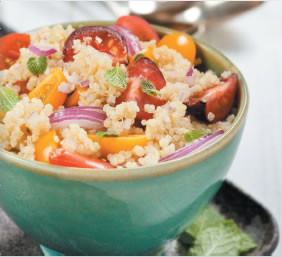
You can get some of the same benefits of a low-glycemic-index diet by avoiding highly processed foods.
The glycemic index is a number that indicates how rapidly the body digests a particular type of food and converts it into blood sugar (glucose). Some studies suggest that lower-glycemic-index diets may offer important health benefits for men—like a reduced risk of heart disease and diabetes.
Reaping gains from grains
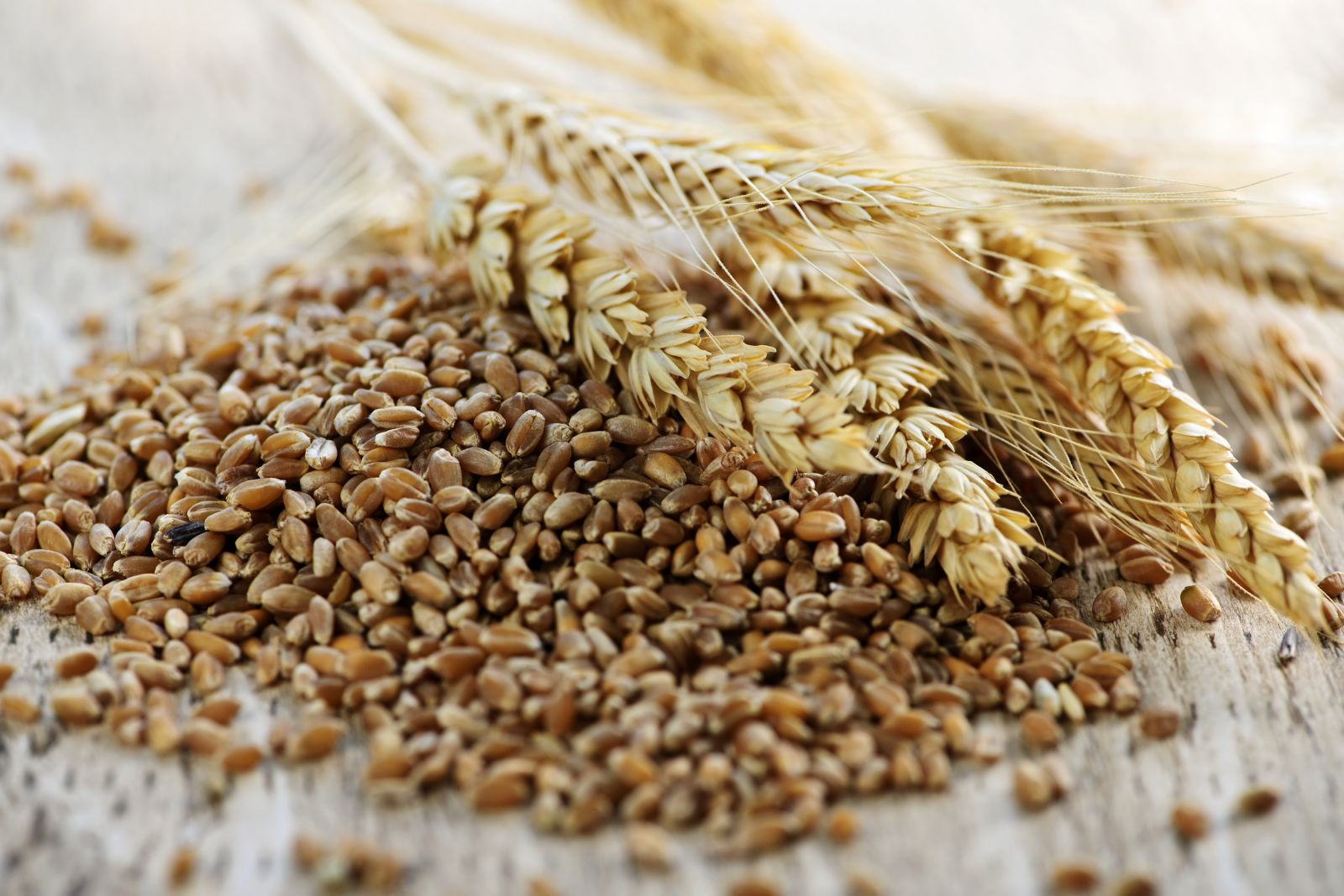
Eating whole grains may benefit your heart and lengthen your life.
Grain foods made from the hard, dry seeds of plants have been a nutritional basic for thousands of years. When you eat a whole grain, you're getting more than just the fiber from the seed's outer layer. You also get all the vitamins, minerals, good fats, enzymes, antioxidants, and phytonutrients that are stripped away when grains are processed.

An avocado a day may keep cholesterol at bay
Adding an avocado a day to a healthy diet may lower harmful LDL cholesterol levels, according to a study in the Journal of the American Heart Association. Forty-five overweight or obese volunteers followed three different cholesterol-lowering diets, each for five weeks. One diet had 24% of calories from fat; the other two were 34% fat, one of which included an avocado per day. While participants were on the avocado diet, their LDL levels dropped an average of 13.5 points—nearly twice as much as when they were on the other two diets.
Hass avocados (the type used in the study) have bumpy, greenish-black skin. The creamy flesh is rich in monounsaturated fats, which help lower LDL cholesterol when swapped for saturated fat. But other compounds in avocados, such as fiber and plant sterols, may also contribute to their healthful benefits, say the authors. Avocados can be sliced into salads, spread on sandwiches, or mashed to make guacamole. Just be sure to go easy on the high-calorie, salty corn chips often served with the latter.

Best tips to stay on your medication and stay healthy
Using gadgets, such as a seven-day pillbox or an electronic pill dispenser, can help you stick to a medication regimen and stay healthy. |
Tried-and-true methods, plus the latest electronic reminders and gadgets.

Ask the doctor: Should I retire now or keep working as long as I am able?
Q. My wife says I should slow down and retire, but I hope I can work forever. What's your take?
A. It's a question I get asked a lot, from boomers and pre-boomers, and one I've asked myself.
Feeling young at heart may help you live longer
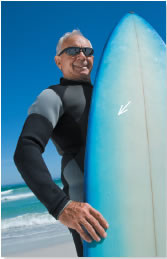
People who feel young at heart are more likely to pursue physical activity, even it's an activity that's challenging. |
A youthful attitude may lead to better eating and exercising habits.

Want to get healthier? Get your partner involved!
Plenty of research shows that we tend to exhibit the health behaviors of people around us, and that partners can influence each other's behavior. The influence carries even more weight if an unhealthy partner is making a change for the better. A study published in JAMA Internal Medicine Jan. 19, 2015, found that men and women were much more likely to make positive changes if their partners also changed their health behavior during the same period. The influence on a partner was significant: 67% of men took up physical activity if their wives did, but only 26% became active if their wives did not. The take-home message: get your partner on board if you both need to make healthy lifestyle changes.
Image: Thinkstock

Sitting may increase risk of early death
Even an hour's exercise a day won't protect you from an earlier death, if you spend most of the rest of your day sitting. That's the verdict of Canadian researchers who pored over data from 47 studies on the effects of sedentary behavior. When they combined the results of all the studies, the researchers found that regardless of their levels of physical activity otherwise, people who sat for long periods had an increased risk of developing a host of diseases. People who sat the longest had a 24% greater risk of dying, an 18% greater risk of heart disease, a 13% greater risk of cancer, and a 90% greater risk of diabetes. The results were published in the Jan. 20, 2015, issue of Annals of Internal Medicine.
| The researchers recommend standing for a minute or two every half‑hour when you have a task that keeps you chair‑bound. It may help to set a timer or alarm to sound at half-hour intervals. |
Fatty liver disease: Should you be tested?
Even a little exercise linked with lower stroke risk in people with afib
Testosterone therapy without evidence of deficiency may boost heart risk
Weight-loss drug may lower risk of heart attacks and infections
Migraine: How it's diagnosed and what that means
Tricep workouts you can do at home
Mindfulness practices to reduce stress and improve focus
Antihistamines may not offer meaningful relief from eczema symptoms
Overweight and taking blood pressure medications: Study finds it's a trend that's working
FDA approves first mRNA-based flu vaccine
Free Healthbeat Signup
Get the latest in health news delivered to your inbox!
Sign Up
