

Fatty liver disease: Should you be tested?

Weight-loss drug may lower risk of heart attacks and infections

Testosterone therapy without evidence of deficiency may boost heart risk

Even a little exercise linked with lower stroke risk in people with afib

Antihistamines may not offer meaningful relief from eczema symptoms

What to eat on the DASH diet

Tricep workouts you can do at home

FDA approves first mRNA-based flu vaccine

Migraine: How it's diagnosed and what that means

Mindfulness practices to reduce stress and improve focus
Medication management Archive
Articles

Needling your way to healthier skin
Microneedling was once viewed with skepticism, but it can be an effective procedure to improve the skin.
If the idea of poking yourself in the face with tiny needles in hopes of improving your skin sounds a little bizarre to you, you're not alone. For years, the medical establishment looked at the practice, known as microneedling, with a leery side-eye.
"I didn't take it seriously until relatively recently," says Dr. Kenneth Arndt, medical editor of the Harvard Special Health Report Skin Care and Repair and a founding editorial board member of the Harvard Health Letter.

Should you be taking an omega-3 supplement?
The answer to that question is becoming clearer, thanks to new research.
Some 10% of American adults regularly take an omega-3 supplement, despite uncertainty about whether these products truly live up to their health claims. But two new studies published in November 2018 shed some light on who might benefit from omega-3 supplements — and who probably won't.
VITAL
The first study was the Vitamin D and Omega-3 Trial (VITAL), a large multiyear study with 25,871 healthy adults with no history of cardiovascular (heart or blood vessel–related) disease and at "usual risk" for it. The group was racially diverse and chosen to be representative of the general population, says the study's lead author Dr. JoAnn E. Manson, professor of medicine and the Michael and Lee Bell Professor of Women's Health at Harvard Medical School.

Poor sleep linked to arterial buildup
Research we're watching
An ongoing lack of sleep may lead to more fatty buildup in the arteries, according to a study in the January issue of the Journal of the American College of Cardiology. Researchers measured the sleep quality of 3,974 people with no history of heart disease.
Participants wore a sleep monitor for seven days and were then categorized based how much they slept: short sleep (six to seven hours a night), reference sleep (seven to eight hours a night) and long sleep (more than eight hours a night). Study authors also looked at how fragmented participants' sleep was throughout the nights. They then compared those findings to measures of arterial buildup in the heart and other parts of the body.


Balanced approach to fitness is key
A walking program is good for you; so is resistance or weight training; balance exercises help improve your athletic abilities and keep you independent.
The current U.S. physical activity guidelines emphasize all three aspects of fitness. Here are the recommendations:

How medications can affect your balance
Medications can be lifesaving by performing critical tasks such as keeping blood sugar at safe levels, hearts thumping rhythmically, and moods afloat. Yet side effects and interactions between drugs (both prescription and nonprescription drugs) may increase your fall risk in numerous ways. Prime examples include blurred vision, dizziness or lightheadedness stemming from low blood pressure, drowsiness, delirium, and impaired alertness or judgment. Some medications may affect the inner ear, spurring temporary or permanent balance disorders.
Often, problems stem from the sheer number of medicines you take, rather than a single drug. According to a national health survey, a third of 45- to 64-year-olds and two-thirds of people 65 and older take three or more prescription drugs over the course of a month. And 16% of 45- to 64-year-olds, as well as 39% of people 65 and over, take five or more drugs. Some gerontologists say they rarely see patients who take fewer than six or seven. Taking many medications at the same time can boost the severity and frequency of side effects among people of any age. Older adults are especially vulnerable, because people's bodies absorb and respond to drugs differently with age.


Food truck fare: Trendy eats, but are they safe?
Pay attention to healthy ingredients, inspection documents, and online reviews.
Image: © valentinrussanov/Getty Images
Food trucks — once the catering staples of construction sites — are no longer just about convenience. These rolling kitchens bring innovative gourmet food to busy streets and crowded parking lots, with diverse menus that attract hordes of hungry customers and discerning foodies.
But as popular as food trucks are — nationally, a billion-dollar industry that defines the landscape in places like Los Angeles; Miami; Austin, Tex.; and Portland, Ore. — they still serve restaurant fare, which is typically loaded with saturated fat, salt, refined carbo-hydrates, sugar, and calories.
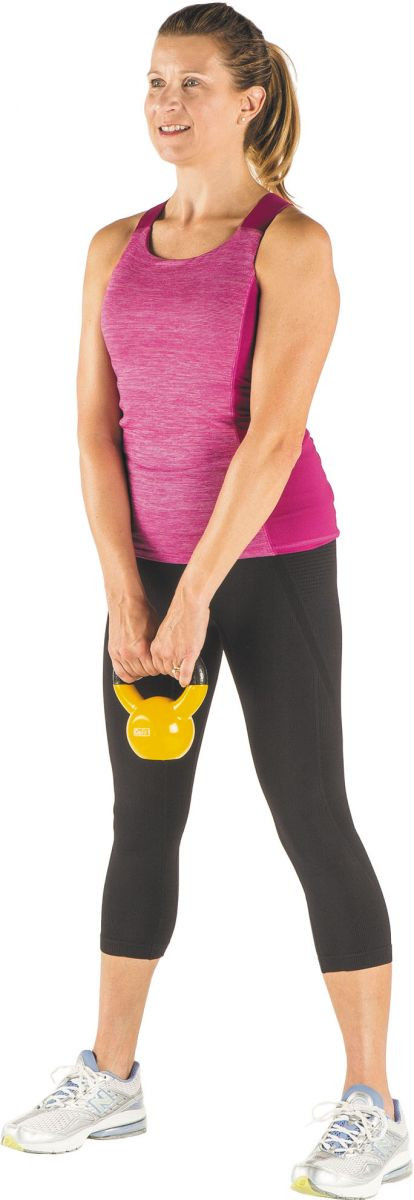
Getting in on the kettlebell craze
The weights add more oomph to your workout, but you'll have to mind some safety rules if you use them.
Exercises photos by Michael Carroll
Move over, dumbbells; kettlebells are cool again. The little weights with handles have been used by athletes around the world for centuries and gained popularity as the staples of 19th-century strongmen. Today, kettlebells have made it to the mainstream as the featured tools in exercise classes and gyms, with home versions of kettlebells available on the shelves of every big-box store.
What's the attraction? "Kettlebells work multiple muscle groups at one time, so you get a lot of bang for your buck with each exercise," says Nancy Capparelli, a senior physical therapist at Harvard-affiliated Beth Israel Deaconess Medical Center.

Medications we're watching
News briefs
Three newly approved medications are garnering national attention. The first is an oral form of a powerful opioid painkiller that's been available by injection since 1984. Dsuvia is the sublingual (under the tongue) version of sufentanil, and it was approved by the FDA in November 2018. Dsuvia is 1,000 times more potent than morphine. The FDA says it may be helpful for use on the battlefield or in hospitals. Critics worry the drug will wind up on the streets, furthering the country's opioid crisis. Another medication of note is the first prescription drug made from marijuana. The FDA approved cannabidiol (Epidiolex) in June 2018 for the treatment of seizures associated with rare forms of epilepsy. The medication is made from a component of marijuana that does not cause intoxication or euphoria. And finally, baloxavir marboxil (Xofluza), the first new antiviral in 20 years to help fight the flu, received FDA clearance in October 2018. The drug is a one-dose pill that may help shorten the duration of the flu if it's taken within 48 hours of the start of symptoms. One caution: the new antiviral has not yet been tested in older adults, so talk to your doctor if the drug is prescribed and you have concerns.
Image: SheilaFitzgerald/Thinkstock
Fatty liver disease: Should you be tested?
Weight-loss drug may lower risk of heart attacks and infections
Testosterone therapy without evidence of deficiency may boost heart risk
Even a little exercise linked with lower stroke risk in people with afib
Antihistamines may not offer meaningful relief from eczema symptoms
What to eat on the DASH diet
Tricep workouts you can do at home
FDA approves first mRNA-based flu vaccine
Migraine: How it's diagnosed and what that means
Mindfulness practices to reduce stress and improve focus
Free Healthbeat Signup
Get the latest in health news delivered to your inbox!
Sign Up
