

Fatty liver disease: Should you be tested?

Weight-loss drug may lower risk of heart attacks and infections

Testosterone therapy without evidence of deficiency may boost heart risk

Even a little exercise linked with lower stroke risk in people with afib

Antihistamines may not offer meaningful relief from eczema symptoms

What to eat on the DASH diet

Tricep workouts you can do at home

FDA approves first mRNA-based flu vaccine

Migraine: How it's diagnosed and what that means

Mindfulness practices to reduce stress and improve focus
Diabetes complications Archive
Articles

Fatty liver disease: Should you be tested?
People with type 2 diabetes or who have a high BMI with a metabolic risk factor (such as a large belly, abnormal lipid levels, or high blood pressure) should be screened for metabolic dysfunction-associated steatotic liver disease, a form of fatty liver disease.
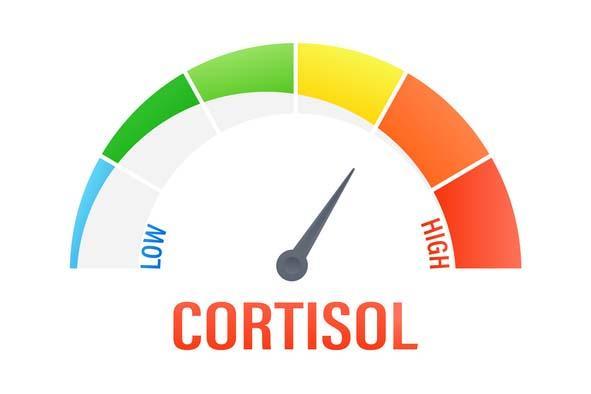
Do you really have high cortisol?
Social media influencers blame “high cortisol” for an array of problems, from stubborn belly fat to poor sleep. But true cortisol disorders are rare and most people have no evidence that abnormal cortisol levels are driving such problems.

Is a thyroid-stimulating hormone level of 1.32 healthy?
A TSH result can be confusing without context. See what the number measures, how lab ranges vary and when other factors matter for thyroid health.

When should a high TSH lead to a higher thyroid hormone dose?
A rise in thyroid-stimulating hormone after thyroid removal can have several explanations, from medication timing to changes in absorption.

What might explain persistent sensitivity to cold?
Feeling unusually cold on a regular basis can have several explanations, from everyday factors to conditions worth checking.

Is it dangerous to have a high calcium level?
A high calcium result often turns up on a routine lab test. Possible causes range from overactive parathyroid glands to excess vitamin D.

Can diabetes cause joint pain that feels like arthritis?
Tendonitis, bursitis, frozen shoulder, and Charcot joint can all strike people with diabetes. They mimic arthritis but have different causes.
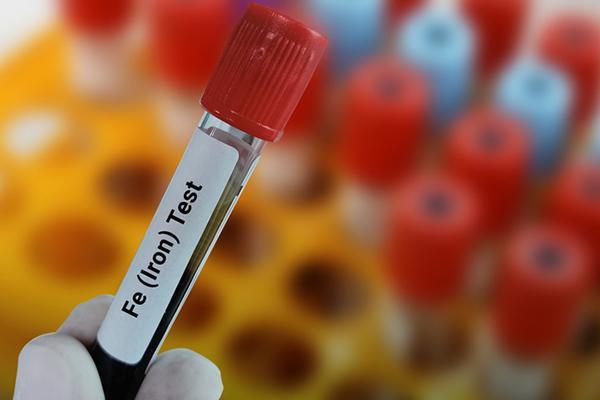
What does it mean if I have a high level of iron in my blood?
Elevated blood iron can result from supplements, genetic disorders, liver disease, or transfusions. Learn what doctors check next and common ways to reduce it.

Continuous glucose monitors: New guidelines recommend expanding CGM use for people with diabetes
The latest diabetes guidelines now recommend continuous glucose monitors for many people with type 2 diabetes. The real-time data from these devices may help reduce heart-related risks in people with diabetes by helping to reduce blood sugar, cholesterol, blood pressure and body weight.

The sweet danger of sugar
People consume too much added sugar — extra amounts that food manufacturers add to products to increase flavor and extend shelf life — which can have a serious impact on heart health.
Fatty liver disease: Should you be tested?
Weight-loss drug may lower risk of heart attacks and infections
Testosterone therapy without evidence of deficiency may boost heart risk
Even a little exercise linked with lower stroke risk in people with afib
Antihistamines may not offer meaningful relief from eczema symptoms
What to eat on the DASH diet
Tricep workouts you can do at home
FDA approves first mRNA-based flu vaccine
Migraine: How it's diagnosed and what that means
Mindfulness practices to reduce stress and improve focus
Free Healthbeat Signup
Get the latest in health news delivered to your inbox!
Sign Up
