

Even a little exercise linked with lower stroke risk in people with afib

Testosterone therapy without evidence of deficiency may boost heart risk

Weight-loss drug may lower risk of heart attacks and infections

What to eat on the DASH diet

Migraine: How it's diagnosed and what that means

Tricep workouts you can do at home

Mindfulness practices to reduce stress and improve focus

Antihistamines may not offer meaningful relief from eczema symptoms

Overweight and taking blood pressure medications: Study finds it's a trend that's working

FDA approves first mRNA-based flu vaccine
Cholesterol and lipids Archive
Articles

Atrial fibrillation: Living with a common heart condition
Preventing stroke is the top priority if your heart is beating irregularly. A variety of options can control symptoms.
A flutter in the chest and a racing heartbeat could be just a passing cardiac blip, perhaps triggered by emotional stress or too much caffeine. But sometimes it's a sign of atrial fibrillation—the irregular quivering of the heart's upper chambers, or atria.

Ask the doctor: Pacemakers and MRI scans
Q. I have a pacemaker and was told to never have an MRI scan. Is there any way around that?
A. In the past, people with pacemakers were told never to have magnetic resonance imaging (MRI), but in certain cases it may be safe.

Ask the doctor: What is pericarditis?
Q. I had chest pains for a couple of days and thought I was having a heart attack. My doctor did an electrocardiogram and said I had pericarditis and that it was not serious. What exactly is pericarditis?
A. Pericarditis is inflammation of the pericardium, a protective, double-layered sac surrounding the heart. It has many different possible causes, including a virus or other infection, certain illnesses, an injury to the chest, radiation therapy for cancer, or a reaction to medications. Complications from bypass surgery or the insertion of a pacemaker are other possible triggers. But most of the time, the cause remains elusive.

Ask the doctor: Dizziness from blood pressure medications?
Q. I take several medicines to get my blood pressure under control, and they seem to do the job. However, I get dizzy at times. Is there anything I can do, other than stopping my medications?
A. Many people occasionally feel dizzy if they stand up too quickly, and the older you get, the more likely this will happen. When you're lying down or sitting, less blood pressure is needed to send sufficient blood to the brain. But as you stand, the pressure must rise to deliver adequate amounts. If that doesn't happen fast enough, your brain can't function as well as it should, and you feel dizzy. Moving from a lying or seated position to a standing position more slowly usually helps if this is the underlying reason.
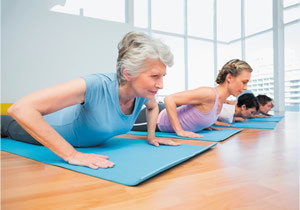
Yoga's health advantages may extend to the heart
New research suggests yoga may be as good as moderate exercise for lowering heart disease risk. Images: Thinkstock |
With its focus on body, mind, and breath, yoga shows promise for improving heart health.

The latest on cholesterol testing
Adults should have a blood lipid panel done at least every five years. |
Experts still advise getting regular blood lipid tests.
In late 2013, when the new national guidelines on managing cholesterol were released, many people wondered how the change would affect blood cholesterol testing. Also known as a lipid profile or lipid panel, the cholesterol test measures several different types of fats (lipids) in your bloodstream.

Smartphone apps for blood pressure: A clever choice?
Smartphone apps can remind you to measure your blood pressure and take your medication, which can help you better control the condition. |
Apps that track and chart your blood pressure may be useful. But for now, avoid those that use the phone as a measuring tool.
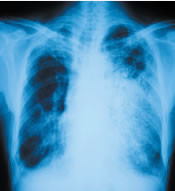
Heart attack risk rises after a bout of pneumonia
If you're hospitalized with pneumonia,your heart attack risk may rise in the following month. Image: Thinkstock |
If you're over 65, be sure to follow the latest pneumonia vaccine guidelines.
Each year, about a million people in the United States end up in the hospital with pneumonia, a serious lung infection that can be caused by an array of different viruses, bacteria, and even fungi. New research suggests that older people hospitalized with pneumonia face four times their usual risk of a having a heart attack or stroke or dying of heart disease in the month following the illness.

An avocado a day may keep cholesterol at bay
Adding an avocado a day to a healthy diet may lower harmful LDL cholesterol levels, according to a study in the Journal of the American Heart Association. Forty-five overweight or obese volunteers followed three different cholesterol-lowering diets, each for five weeks. One diet had 24% of calories from fat; the other two were 34% fat, one of which included an avocado per day. While participants were on the avocado diet, their LDL levels dropped an average of 13.5 points—nearly twice as much as when they were on the other two diets.
Hass avocados (the type used in the study) have bumpy, greenish-black skin. The creamy flesh is rich in monounsaturated fats, which help lower LDL cholesterol when swapped for saturated fat. But other compounds in avocados, such as fiber and plant sterols, may also contribute to their healthful benefits, say the authors. Avocados can be sliced into salads, spread on sandwiches, or mashed to make guacamole. Just be sure to go easy on the high-calorie, salty corn chips often served with the latter.

Portable ultrasound reveals early signs of heart disease
A portable ultrasound device that detects plaque buildup in arteries may offer a simple, cost-effective way to detect heart disease before it causes any symptoms. A report in the December 2014 Global Heart journal describes findings from a large-scale test of the technology in India, the United States, and Canada.
The innermost layer of an artery's wall (the intima) provides a smooth surface for blood to flow through. The middle layer (the media) contains muscle and elastic fibers that let the vessel expand and contract with each heartbeat. The thicker the intima and the media, the more likely the artery is choked with cholesterol-filled plaque. Using ultrasound, a doctor can easily measure the intima-media thickness in the arteries of the neck and upper leg.
Even a little exercise linked with lower stroke risk in people with afib
Testosterone therapy without evidence of deficiency may boost heart risk
Weight-loss drug may lower risk of heart attacks and infections
What to eat on the DASH diet
Migraine: How it's diagnosed and what that means
Tricep workouts you can do at home
Mindfulness practices to reduce stress and improve focus
Antihistamines may not offer meaningful relief from eczema symptoms
Overweight and taking blood pressure medications: Study finds it's a trend that's working
FDA approves first mRNA-based flu vaccine
Free Healthbeat Signup
Get the latest in health news delivered to your inbox!
Sign Up
