

Even a little exercise linked with lower stroke risk in people with afib

Testosterone therapy without evidence of deficiency may boost heart risk

Weight-loss drug may lower risk of heart attacks and infections

What to eat on the DASH diet

Migraine: How it's diagnosed and what that means

Tricep workouts you can do at home

Mindfulness practices to reduce stress and improve focus

Antihistamines may not offer meaningful relief from eczema symptoms

Overweight and taking blood pressure medications: Study finds it's a trend that's working

FDA approves first mRNA-based flu vaccine
Cholesterol and lipids Archive
Articles

Dance your way to better heart health?
Regular, moderate-intensity dancing may lower the risk of dying of cardiovascular disease. Aside from the exercise benefits, dancing is often a lifelong habit and provides stress-lowering social connections.

Risk of serious falls linked to changes in blood pressure drugs
When older people start taking a new blood pressure drug or change the dose of their current drug, they may be more prone to a serious fall during the following two weeks. But this increased fall risk doesn’t seem to persist over the long term.

Exercise-free activities that work your muscles and heart
Dancing, playing sports, and even cleaning your house can give you a nontraditional workout that helps maintain good health.
Image: Jon Feingersh/Thinkstock
Exercising is supposed to be a regular part of your daily health maintenance. That can be a problem if you don't have the motivation to get your heart pumping; you raise your risk for weight gain, chronic disease, and an earlier death.
Fortunately, you can get plenty of effective exercise by engaging in recreational or household activities that work your heart and muscles. "There's a real reward in doing an activity you enjoy, such as swimming or playing with your grandchildren. You get a workout, but it doesn't seem like you're exercising, and you may be more willing to keep doing that activity every day because it's fun," says Dawn Rogers, a physical therapist at Harvard-affiliated Brigham and Women's Hospital.

Will the food industry ease up on salt?
On June 1, 2016, the FDA proposed voluntary guidelines for short- and long-term goals to cut sodium in commercially processed and prepared food.
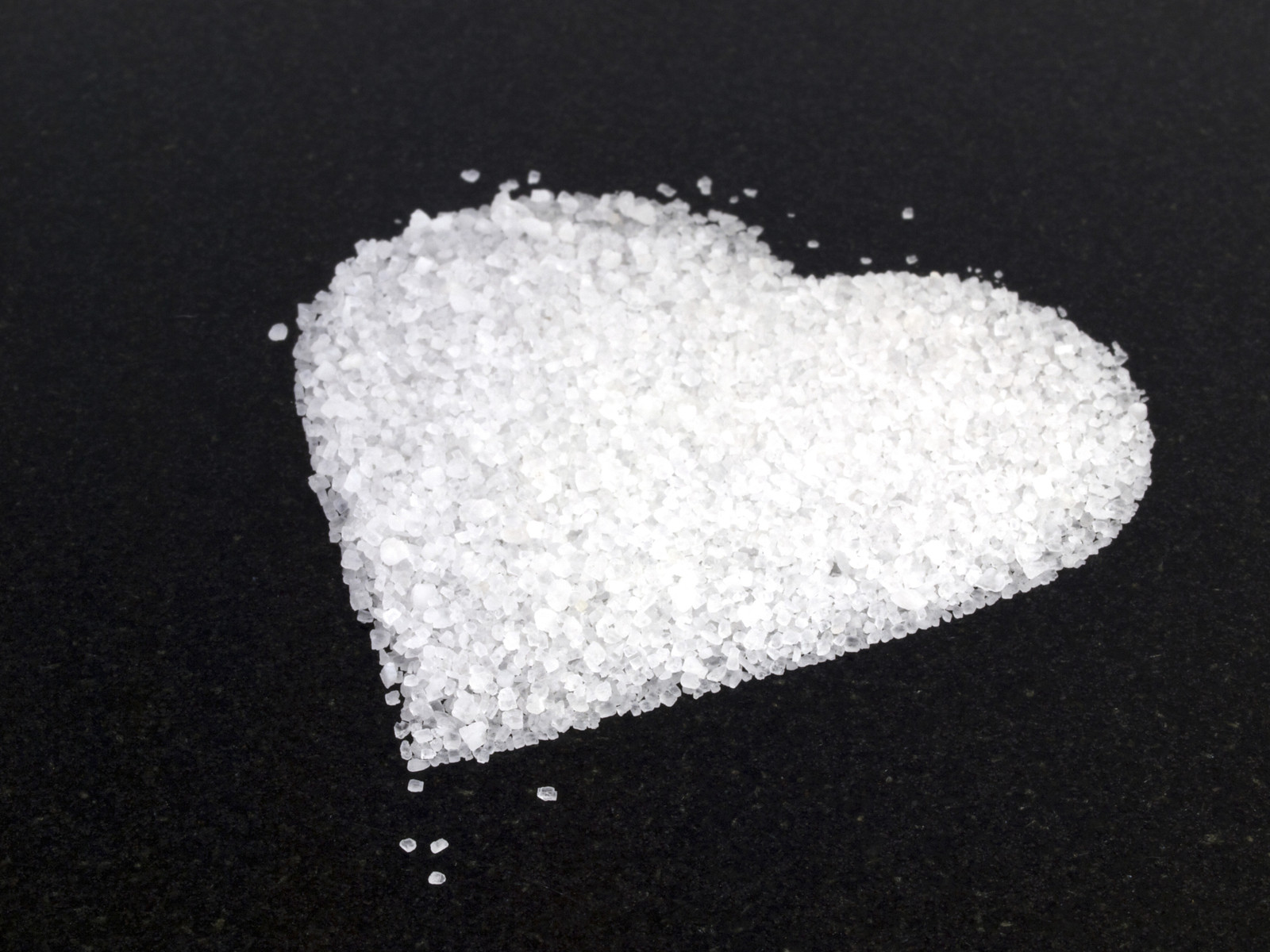
For the good of your heart: Keep holding the salt
A recently published study claimed that people who ate a low sodium diet were more likely to suffer from cardiovascular disease and death. However, there were problems with this study – including difficulty with accurately measuring each study volunteer’s daily intake of sodium. Low sodium diets may be harmful for small subsets of people, but for the majority of people restricting salt intake is still important for cardiovascular health.
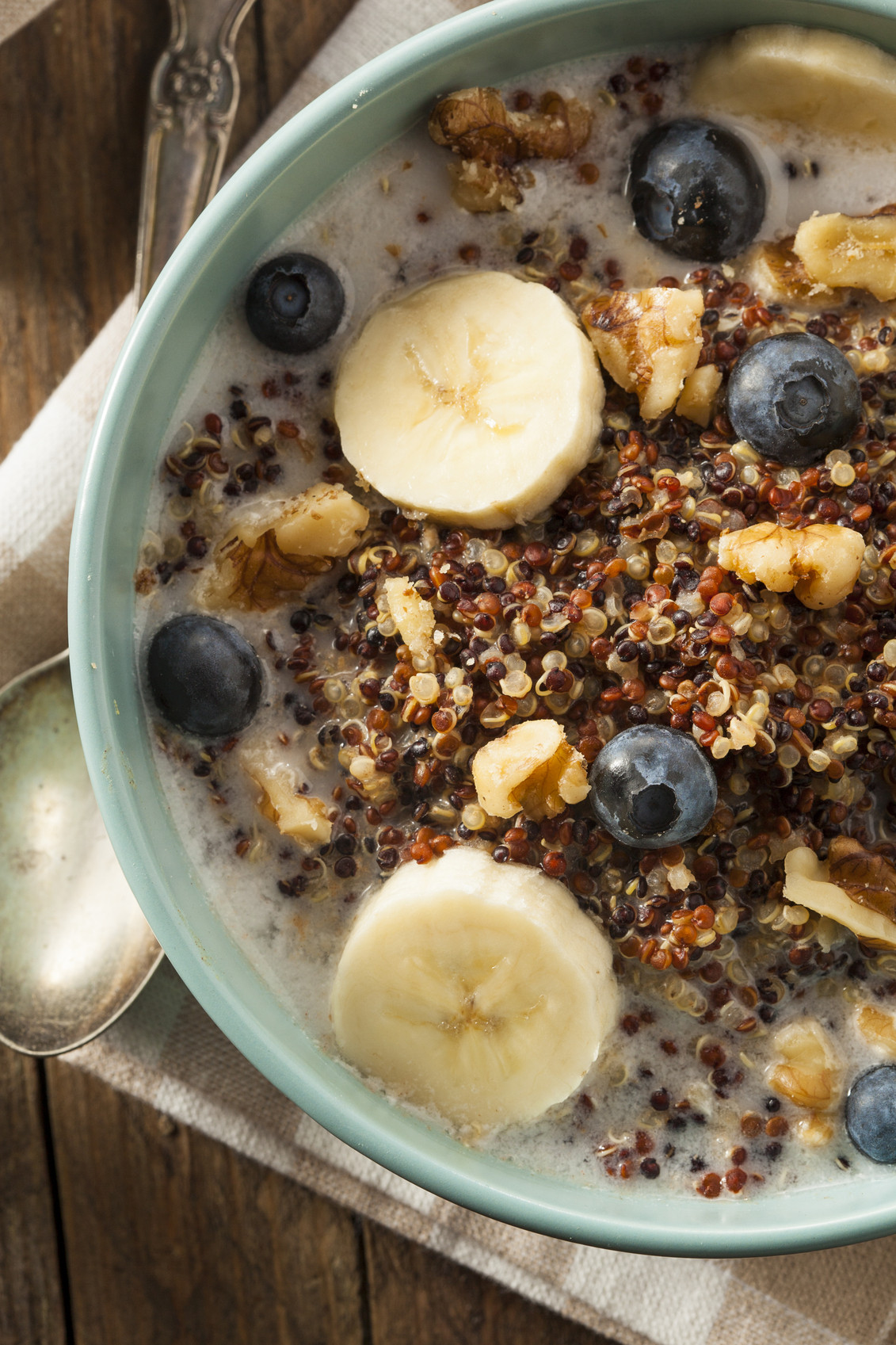

Your resting heart rate can reflect your current — and future — health
How many times your heart beats per minute when you’re resting — also known as your resting heart rate (RHR) — can provide important clues to your current overall health and even predict possible future health problems.
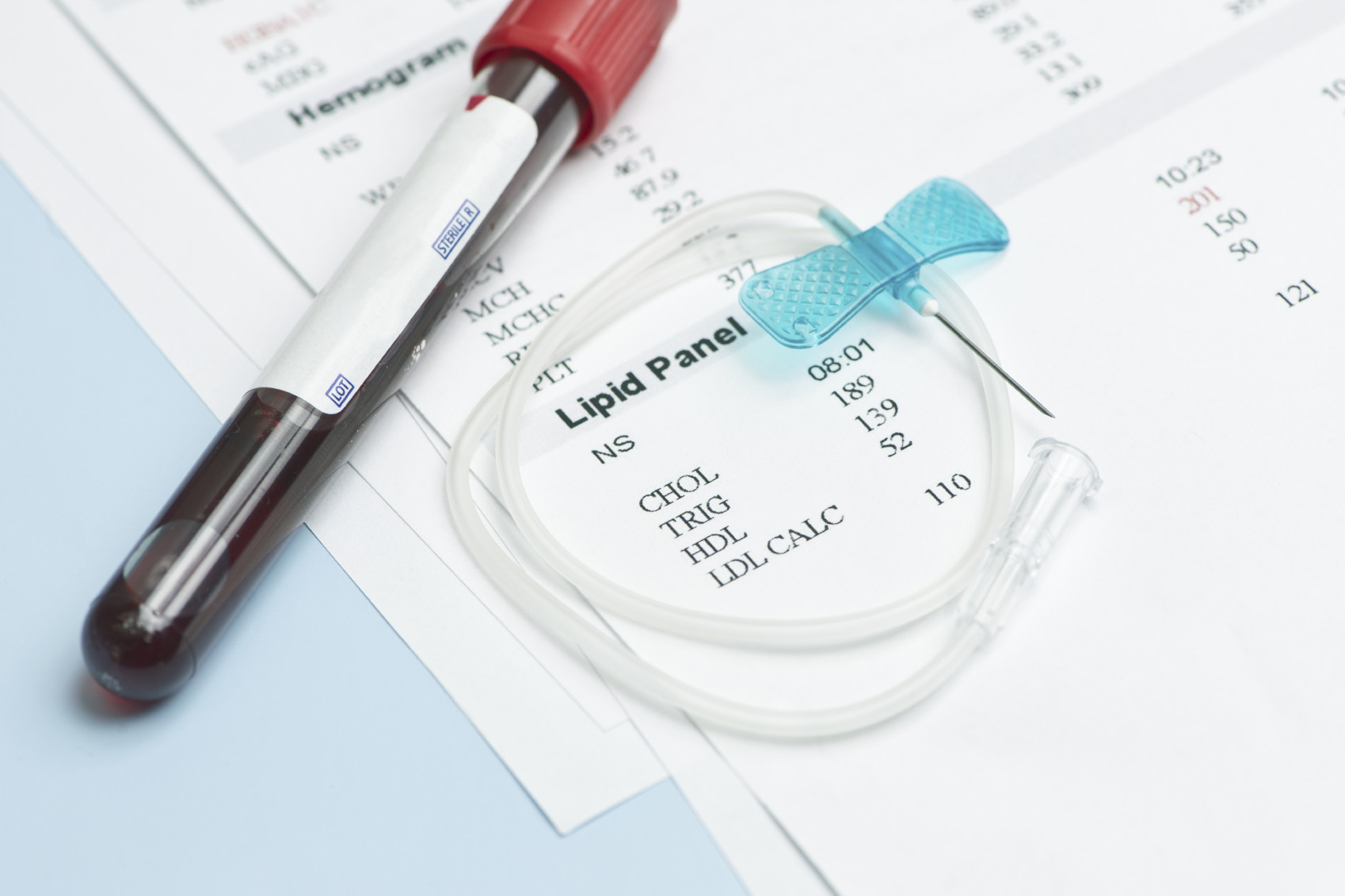

Your blood work, on the edge of normal
What to do when routine test results are at the high or low end of the acceptable range.
Catching early changes in blood work may help prevent chronic disease, such as diabetes.
Image: Ca-ssis/Thinkstock
As a smart medical consumer, you know it's important to look over the results of your routine blood work, even when the numbers are all within the normal range. But what if you notice that some results are at the high or low end of that range? Should you be concerned about this?

Even a little exercise linked with lower stroke risk in people with afib
Testosterone therapy without evidence of deficiency may boost heart risk
Weight-loss drug may lower risk of heart attacks and infections
What to eat on the DASH diet
Migraine: How it's diagnosed and what that means
Tricep workouts you can do at home
Mindfulness practices to reduce stress and improve focus
Antihistamines may not offer meaningful relief from eczema symptoms
Overweight and taking blood pressure medications: Study finds it's a trend that's working
FDA approves first mRNA-based flu vaccine
Free Healthbeat Signup
Get the latest in health news delivered to your inbox!
Sign Up
