

Fatty liver disease: Should you be tested?

Weight-loss drug may lower risk of heart attacks and infections

Testosterone therapy without evidence of deficiency may boost heart risk

Even a little exercise linked with lower stroke risk in people with afib

Antihistamines may not offer meaningful relief from eczema symptoms

What to eat on the DASH diet

Tricep workouts you can do at home

FDA approves first mRNA-based flu vaccine

Migraine: How it's diagnosed and what that means

Mindfulness practices to reduce stress and improve focus
Acute pain Archive
Articles
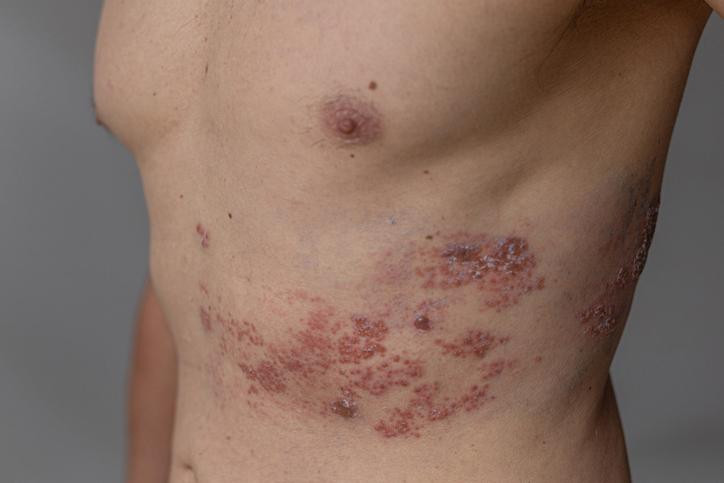
What to do if you have - or suspect you have - shingles
Shingles occurs when the dormant chickenpox virus reactivates, causing tingling, burning, and a painful, blistering rash. Shingles can affect anyone who has had chickenpox, with higher risk after age 50 and in people with weakened immunity. Diagnosis and treatment within three days of the rash appearing can shorten the illness and reduce severity. Most people recover completely from shingles, but there may be complications, such as post-herpetic neuralgia, which is pain that can be severe and long-lasting. Vaccination is the best way to prevent shingles and its complications.
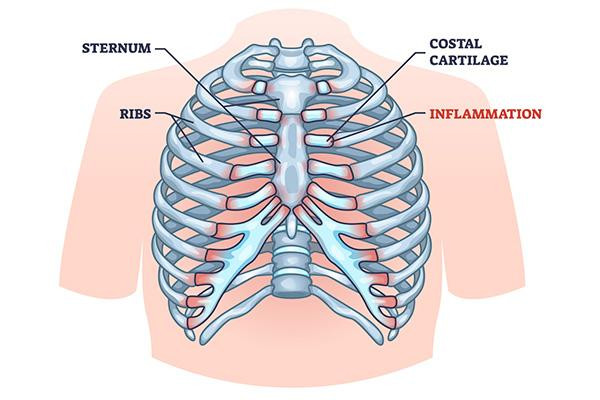
Chest pain that mimics a heart attack
Costochondritis, which is inflammation of the cartilage between the ribs and the breastbone, is one of the most common causes of chest pain and is frequently mistaken for a heart attack.
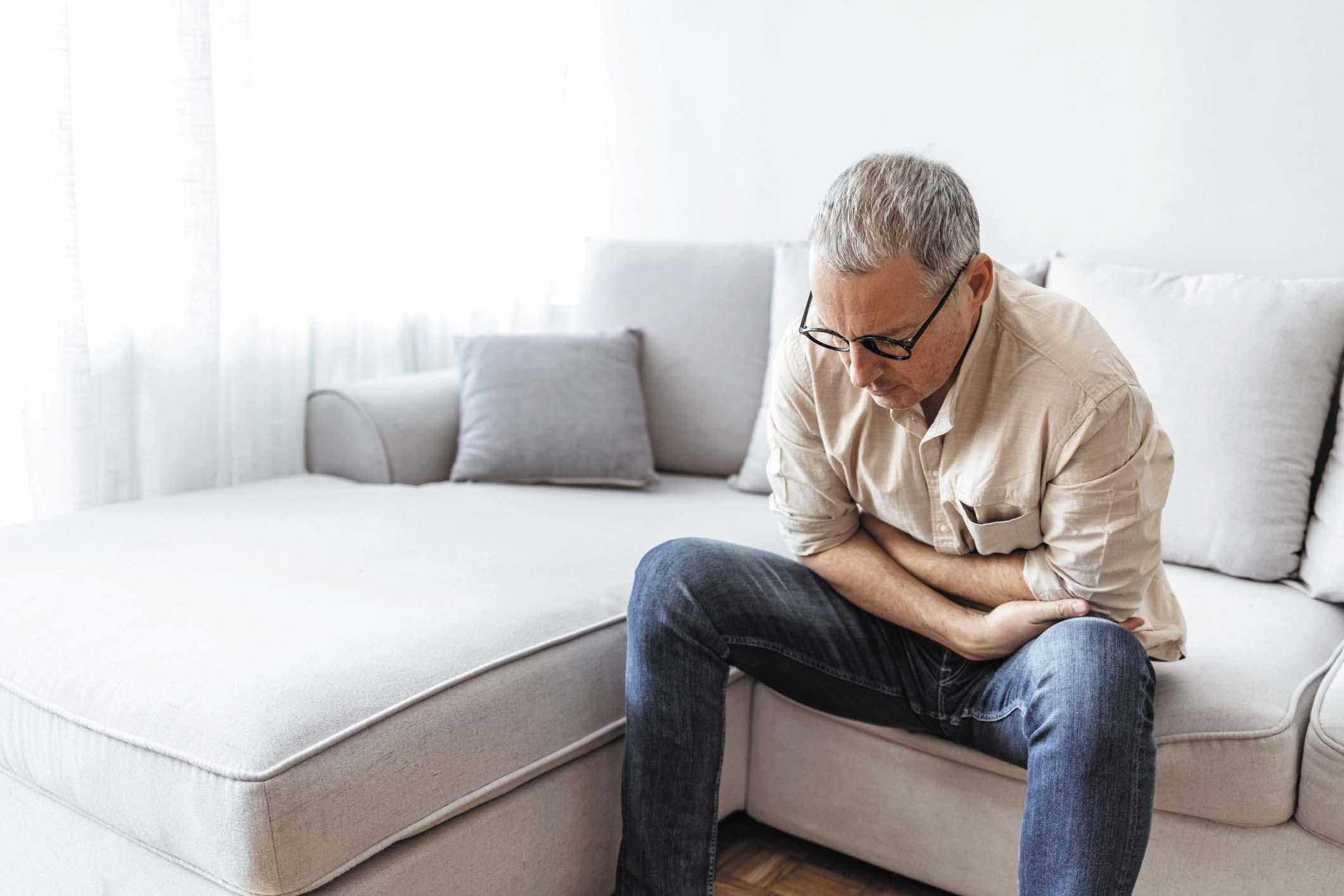
What to do about pain "down there"?
Chronic pelvic pain-medically known as chronic prostatitis / chronic pelvic pain syndrome, or CP/CPPS-is one of the more common and challenging conditions older men face. Because the underlying cause may not be identified, doctors often take a trial-and-error approach to managing the common symptoms like throbbing, aching pain, urination problems, and sexual dysfunction. Options include different types of medication, physiotherapy, shock wave therapy, and aerobic exercise.
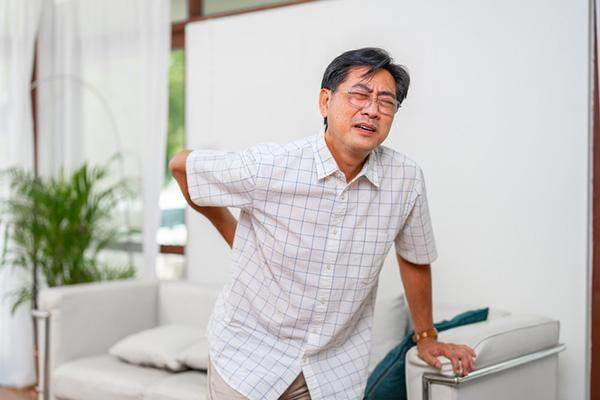
When do I need an imaging test for my back pain?
An x-ray, CT scan, or MRI is usually not needed for addressing low back pain unless people have other symptoms or risk factors for a serious condition. Short-term rest, heat or cold, and over-the-counter medication can ease discomfort until the back pain goes away.
Managing chronic back pain
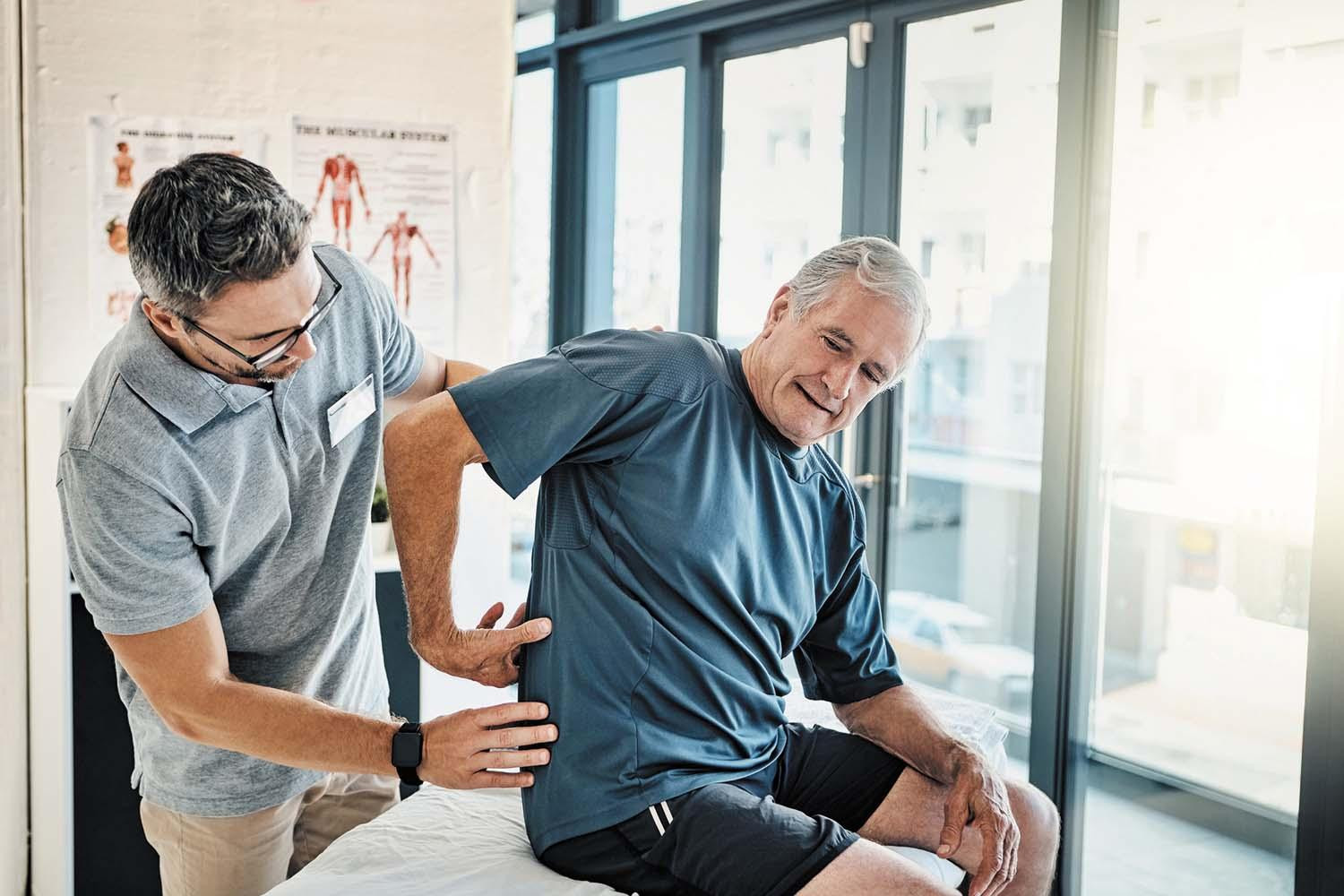
Chronic back pain (pain that lasts more than 12 weeks) can be more challenging to diagnose and treat compared to short-term pain from an injury. The first-line approach is conservative treatment, such as over-the-counter pain medication, physical therapy, and lifestyle changes. However, sometimes these are not enough, and advanced methods are needed. Depending on the source of chronic back pain, these can include stronger prescription medication, corticosteroid injections, and surgery.
Analysis highlights best treatments for neuropathic pain
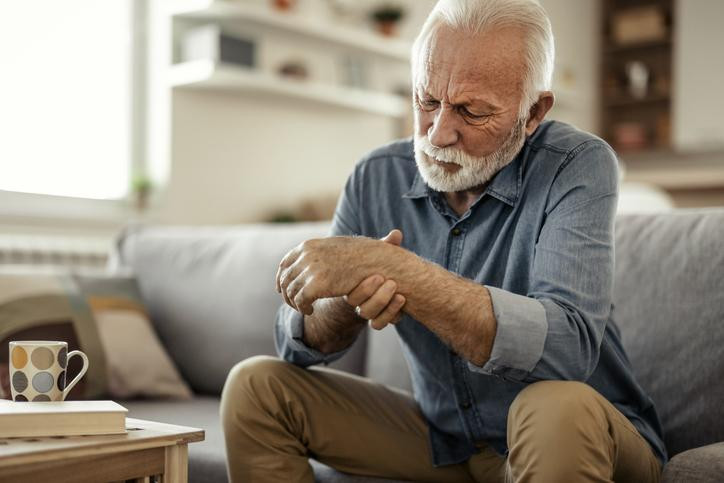
A 2025 analysis found that tricyclic antidepressants, the anticonvulsants gabapentin (Neurontin) and pregabalin (Lyrica), and serotonin-norepinephrine reuptake inhibitors, such as duloxetine (Cymbalta) were the most effective drug treatments for neuropathic pain.

Walking tied to less back pain
A 2025 study of more than 11,000 people (average age 55), followed for about four years, those who walked more than 100 minutes a day had a 23% lower risk of chronic low back pain, compared with people who walked less than 78 minutes per day.

Sleeping better when you have pain
Approximately 50 million adults experience some daily pain. These people usually encounter fluctuations in pain during the day, but in many cases, the pain worsens at night, disrupting sleep. Many strategies can be adopted to prevent and manage nighttime pain, such as doing a pre-bedroom relaxation routine, creating a healthy sleep environment, reframing negative thinking, changing sleeping positions, and using supportive pillows.

The dangerous dismissal of women's pain
Studies show that women's pain experiences are often minimized, dismissed, or undertreated by clinicians. Women and men perceive pain differently. Factors contributing to women's undertreatment for pain include lack of objective pain measures, uncertain diagnoses, clinician bias, and how women are socialized. Women can ensure their pain is taken seriously by communicating closely with clinicians about expectations, stating they recognize their pain may not be 100% relieved, and doing their own research on possible reasons for pain.

3 do-at-home stretches to release hip and buttock pain
To reduce the pain of aching hip or buttocks muscles, one might consider stretching them. The activity makes muscles healthier and more flexible, which might keep them from pressing against nerves or bursae that can become inflamed and tender. It's best to stretch regularly with static stretches of the muscles at least three to five times per week, after a brief warm-up or a regular exercise routine. If hip or buttock pain flares, doing gentle stretches might ease discomfort in the moment.
Fatty liver disease: Should you be tested?
Weight-loss drug may lower risk of heart attacks and infections
Testosterone therapy without evidence of deficiency may boost heart risk
Even a little exercise linked with lower stroke risk in people with afib
Antihistamines may not offer meaningful relief from eczema symptoms
What to eat on the DASH diet
Tricep workouts you can do at home
FDA approves first mRNA-based flu vaccine
Migraine: How it's diagnosed and what that means
Mindfulness practices to reduce stress and improve focus
Free Healthbeat Signup
Get the latest in health news delivered to your inbox!
Sign Up
