Heart Health

The danger of a "silent" heart attack

By , Executive Editor, Harvard Heart Letter
Print This Page
So-called silent heart attacks (marked by unexplained weakness, fatigue, shortness of breath, or nausea) often go unrecognized. But they may be almost as concerning as regular heart attacks and have been linked to a higher risk of stroke. Some of this heightened stroke risk stems from shared risk factors, including high blood pressure, diabetes, and elevated cholesterol levels. But heart attacks can also damage the heart’s lower chambers. This may prevent the heart from contracting normally, which can lead to formation of a clot that then travels to the brain, causing a stroke.

To continue reading this article, you must log in.

Source matters. Subscribe to HarvardHealthOnline+ FREE for 30 days for unlimited access to the site – where all content is reviewed by an HMS physician or faculty expert.

With HHO+ you get these exclusive benefits:

  • Unlimited access to all Harvard Health Online content
  • 4 expertly curated newsletters delivered monthly
  • Customized website experience aligned to your health goals
  • In-depth health guides on topics like sleep, exercise, and more
  • Interactive features like videos and quizzes
  • Members-only access to exclusive articles and resources

SPECIAL OFFER! UNLOCK EXPERT ACCESS for 30 days FREE!

Already a member? Login ».

About the Author

photo of Julie Corliss

Julie Corliss, Executive Editor, Harvard Heart Letter

Julie Corliss has been the executive editor of the Harvard Heart Letter since 2013. She also writes for the Harvard Health Letter, Harvard Women’s Health Watch, and Harvard Men’s Health Watch, as well as for Harvard … See Full Bio
View all posts by Julie Corliss
Print This Page

Disclaimer:

As a service to our readers, Harvard Health Publishing provides access to our library of archived content. Please note the date of last review or update on all articles.

No content on this site, regardless of date, should ever be used as a substitute for direct medical advice from your doctor or other qualified clinician.

You might also be interested in…

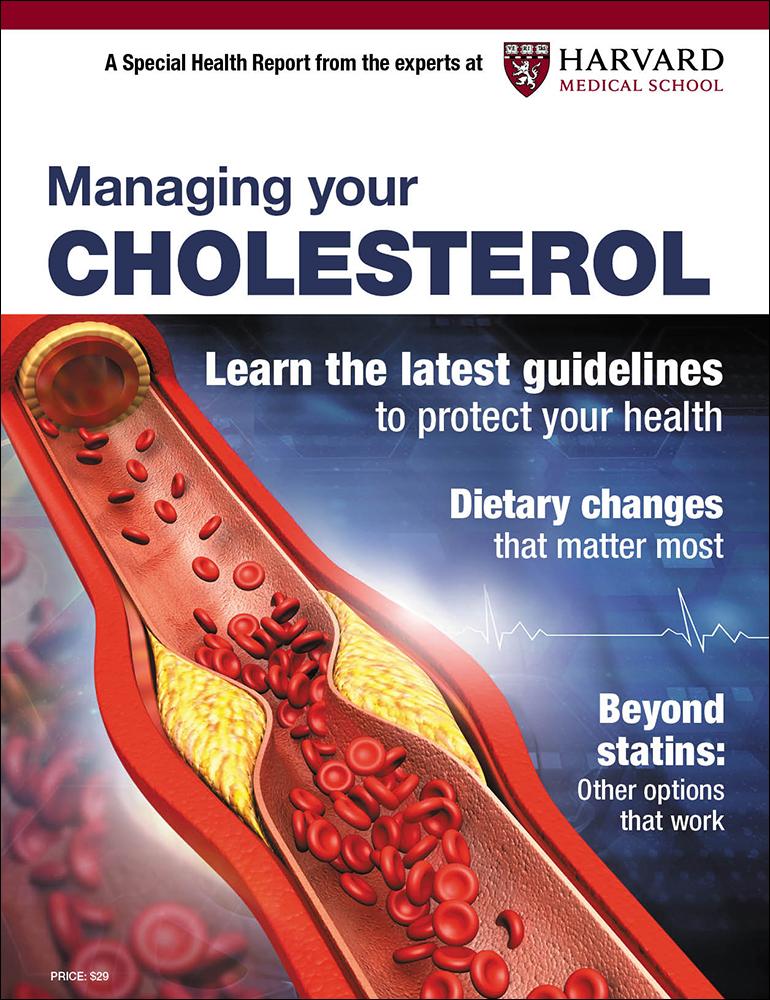
Managing Your Cholesterol: Lifestyle habits and medications to lower your risk of heart disease

Managing Your Cholesterol offers up-to-date information to help you or a loved on keep cholesterol in check. This Special Health Report covers cholesterol tests, the genetics of cholesterol, treatments based on the latest scientific evidence, and the pros and cons of statins and other medications. Managing Your Cholesterol can also help you work with your doctor to individualize your treatment.

Read More

Free Healthbeat Signup

Get the latest in health news delivered to your inbox!

Sign Up