

People who walk more or walk faster live longer, study finds

For sleep apnea, a dental device may be as effective as CPAP

Rosacea treatments: What works?

Carb cycling: What is it, and does it work?

Understanding orthorexia: Have your healthy eating goals gone too far?

Melatonin or magnesium: Can either supplement help you sleep?

Salmonella, E. coli, Cyclospora, and other germs that cause food poisoning: What you need to know

Naturally gluten-free foods

Harvard study: Healthier fats linked to longer life after prostate cancer diagnosis

Shingrix shingles vaccine linked with lower heart disease risks
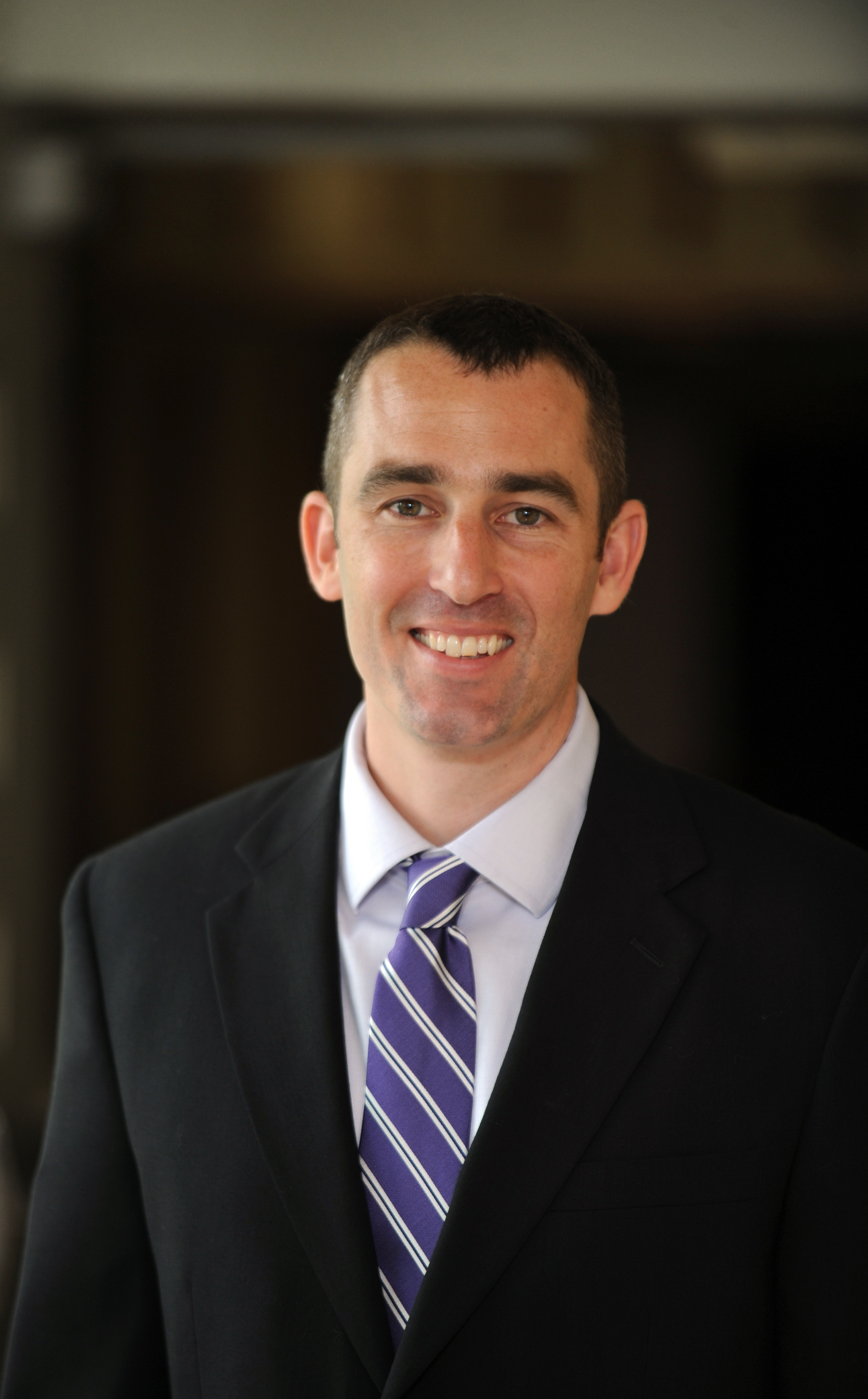
Brad Manor, PhD
Contributor
Brad Manor is an associate scientist at the Hinda and Arthur Marcus Institute for Aging Research; the associate director of the Mobility and Falls Translational Research Center; director of the Mobility and Brain Function Lab; and assistant professor of medicine at Harvard Medical School and Beth Israel Deaconess Medical Center.
Dr. Manor’s career goal is to alleviate the burden of balance decline that often accompanies biological aging into senescence. As the director of the Mobility and Falls Program, he works to achieve this goal by directing interdisciplinary, translational research in the fields of human balance and rehabilitative medicine. His research combines biomechanical assessments of human movement with advanced medical imaging, noninvasive brain stimulation, and nonlinear signal processing techniques to identify the link between brain function, balance and falls in older adults; and design rehabilitative interventions that improve balance via optimization of brain function and exploitation of its adaptive properties.
Posts by Brad Manor, PhD

People who walk more or walk faster live longer, study finds
For sleep apnea, a dental device may be as effective as CPAP
Rosacea treatments: What works?
Carb cycling: What is it, and does it work?
Understanding orthorexia: Have your healthy eating goals gone too far?
Melatonin or magnesium: Can either supplement help you sleep?
Salmonella, E. coli, Cyclospora, and other germs that cause food poisoning: What you need to know
Naturally gluten-free foods
Harvard study: Healthier fats linked to longer life after prostate cancer diagnosis
Shingrix shingles vaccine linked with lower heart disease risks

