










Conversion disorder (functional neurological symptom disorder)
- Reviewed by Howard E. LeWine, MD, Chief Medical Editor, Harvard Health Publishing; Editorial Advisory Board Member, Harvard Health Publishing
What is a conversion disorder?
A conversion disorder, also called functional neurological symptom disorder, is a relatively uncommon mental disorder. Typically the person has physical symptoms that cannot be explained by a thorough diagnostic evaluation.
The person is not "faking." The symptoms do not appear to be under the person's conscious control and they can cause significant distress. Examples of symptoms are a loss of muscle control, blindness, deafness, seizures, or even apparent loss of consciousness.
The term "functional" refers to abnormal functioning of the central nervous system. The term "conversion" comes from the idea that psychological distress is being converted into a physical symptom. The cause is not known.
A longstanding theory has been that a person with conversion disorder must block out the source of the distress - be it a conflict or stress - because it is too unacceptable for the person to remain aware of it. There is, however, little formal evidence to support this theory.
The symptoms of this disorder often involve muscle control, but there is usually no structural abnormality in the motor systems in the brain or other nerves throughout the body. Nonetheless, patients appear to experience a loss of motor control. Research suggests that some of these individuals have abnormalities in parts of the brain that register and regulate emotion and that interact with the core motor network.
Conversion disorder is more common in women than in men. It occurs most frequently between adolescence and middle age. Although relatively rare in the general population, conversion symptoms may be found in up to 14% of patients in general hospitals. In some reviews, they accounted for about 30% of symptoms among neurology outpatients.
A significant percentage of people with conversion disorder have another psychiatric problem such as generalized anxiety, obsessive-compulsive disorder, or some form of depression. There may have been a recent stress or trauma. People with the disorder also report a higher than average frequency of emotional or physical abuse during childhood.
Symptoms of conversion disorder
Conversion disorder is characterized by one or more symptoms that suggest a neurological condition. Examples include:
- poor coordination or balance
- abnormal movements
- paralysis or weakness
- difficulty speaking or swallowing
- retention of urine
- loss of touch or pain sense
- blindness or other visual symptoms
- deafness
- seizures, convulsions, or "attacks."
Psychological factors such as stress or conflict are often associated with the appearance of the physical symptoms.
Diagnosing conversion disorder
A doctor or a mental health professional may make a diagnosis of conversion disorder based on the person's health history and a neurological examination. Since the symptoms are neurological, a neurologist is often the one who makes the diagnosis. The neurologist may determine that the physical symptoms are not part of any known disorder of the nervous system.
Sometimes additional tests can clarify the diagnosis. These tests may include an electroencephalogram, which measures electrical activity in the brain, or an electromyogram, which measures how well nerve impulses are being conducted through muscle tissue.
The doctor also tries to determine if any stress or conflict is at the root of the symptoms, or if there are symptoms of another mental health problem, such as a mood disorder or a personality disorder.
Expected duration of conversion disorder
The symptoms of conversion disorder usually do not last long. Generally, the more quickly the symptoms start, the more rapidly they go away. If the symptoms came about in response to a clearly defined stress, the symptoms are likely to last only a short time.
More severe symptoms such as paralysis or blindness also may not last a long time, because it is harder to sustain symptoms that interfere significantly with daily activities.
A less severe symptom (such as tremor) or a symptom that is repeated and limited (such as seizure) can continue or come and go, depending on the person's circumstances.
Preventing conversion disorder
There is no known way to prevent this disorder.
Treating conversion disorder
There is no single best treatment for a conversion disorder. A physician is likely to be supportive and reassuring and will adjust treatment goals to the specific situation.
Most physicians will explain the limits of what physical examination and testing are able to show about the symptoms. They try to avoid confronting the individual with the idea that the symptoms are "false," because the symptoms are usually distressing and not within the person's control. It is helpful to avoid overly intrusive, uncomfortable medical testing, while continuing to monitor the symptoms.
Symptoms sometimes go away on their own after stress has been reduced, conflict has been resolved, or the family or community has responded with a show of concern and support.
If symptoms do not improve relatively quickly, more vigorous rehabilitation may be required. Physical or occupational therapy can be helpful.
Psychotherapy can provide relief, although there is no evidence that one type of therapy is more effective than another. Many therapists will focus on encouragement and motivational interviewing, with the aim of improving functioning.
If the source of conflict or stress can be determined, it may be helpful to gain insight into what triggered the symptoms. For example, the person may be in conflict about leaving home, starting a new job, or having a first child.
In psychotherapy, the person may either learn to deal with the conflict or retreat from the source of distress. In either case, the physical symptoms may stop. Functioning remains a higher priority than insight.
As with psychotherapy, there is no single medication that is best for this disorder. Medication may be helpful to treat an underlying problem with anxiety or depression.
When to call a professional
The person should be evaluated as soon as physical symptoms emerge. If the person is indifferent to the symptoms, a supportive family member or friend may need to guide the person to seek treatment.
Prognosis
The outlook for conversion disorder varies. It depends on the nature of the stress and on the symptoms.
Most symptoms of conversion disorder last a relatively short time. The more severe the symptoms, the more quickly they tend to disappear. However, the appearance of the disorder may indicate either that the person has persistent trouble coping with stress and conflict, or the presence of another mental health problem that may require ongoing treatment.
Additional info
National Institute of Mental Health
https://www.nimh.nih.gov
American Psychiatric Association
https://www.psych.org
American Psychological Association
https://www.apa.org
About the Reviewer
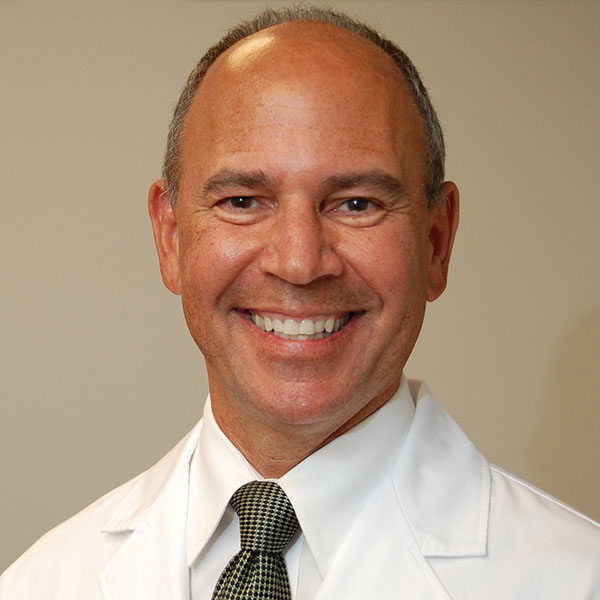
Howard E. LeWine, MD, Chief Medical Editor, Harvard Health Publishing; Editorial Advisory Board Member, Harvard Health Publishing
Disclaimer:
As a service to our readers, Harvard Health Publishing provides access to our library of archived content. Please note the date of last review or update on all articles.
No content on this site, regardless of date, should ever be used as a substitute for direct medical advice from your doctor or other qualified clinician.

