






Making the most of a short nap
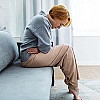
People who are sleep deprived feel groggy during the day and may fall asleep when they least want to, perhaps at their desks or, worse, behind the steering wheel. Poor sleep at night may be caused by simply not devoting enough time to sleep or by medical problems that disrupt sleep, such as restless legs syndrome and obstructive sleep apnea. And in some cases, daytime sleepiness can result directly from medical problems such as depression or an underactive thyroid.
To continue reading this article, you must log in.
Subscribe to Harvard Health Online Plus (HHO+) to unlock expert-backed health insights, personalized tools, and exclusive resources to feel your best every day.
Here’s what you get with your HHO+ membership:
- Unlimited access to all Harvard Health Online content
- 4 expertly curated newsletters delivered monthly
- Customized website experience aligned to your health goals
- In-depth health guides on topics like sleep, exercise, and more
- Interactive features like videos and quizzes
- Members-only access to exclusive articles and resources
I’d like to subscribe to HHO+ for $4.99/month to access expert-backed content to help make smart, informed decisions about my well-being.
Sign Me UpAlready a member? Login ».
Disclaimer:
As a service to our readers, Harvard Health Publishing provides access to our library of archived content. Please note the date of last review or update on all articles.
No content on this site, regardless of date, should ever be used as a substitute for direct medical advice from your doctor or other qualified clinician.