





Women--especially older women--need to pay more attention to blood pressure, reports the Harvard Women's Health Watch
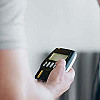
A blood pressure reading has two numbers, like 145/90. The top (first) number is the systolic pressure; the bottom (second) number is the diastolic pressure. Experts now believe that in people over age 50, a systolic pressure of 140 or higher poses a bigger danger to the heart and health than a high diastolic pressure (90 or above). Most older women have isolated systolic hypertension—a systolic pressure of 140 or higher with a normal (under 90) diastolic pressure.
To continue reading this article, you must log in.
Subscribe to Harvard Health Online Plus (HHO+) to unlock expert-backed health insights, personalized tools, and exclusive resources to feel your best every day.
Here’s what you get with your HHO+ membership:
- Unlimited access to all Harvard Health Online content
- 4 expertly curated newsletters delivered monthly
- Customized website experience aligned to your health goals
- In-depth health guides on topics like sleep, exercise, and more
- Interactive features like videos and quizzes
- Members-only access to exclusive articles and resources
I’d like to subscribe to HHO+ for $4.99/month to access expert-backed content to help make smart, informed decisions about my well-being.
Sign Me UpAlready a member? Login ».
Disclaimer:
As a service to our readers, Harvard Health Publishing provides access to our library of archived content. Please note the date of last review or update on all articles.
No content on this site, regardless of date, should ever be used as a substitute for direct medical advice from your doctor or other qualified clinician.