

Even a little exercise linked with lower stroke risk in people with afib

Testosterone therapy without evidence of deficiency may boost heart risk

Weight-loss drug may lower risk of heart attacks and infections

What to eat on the DASH diet

Migraine: How it's diagnosed and what that means

Tricep workouts you can do at home

Mindfulness practices to reduce stress and improve focus

Antihistamines may not offer meaningful relief from eczema symptoms

Overweight and taking blood pressure medications: Study finds it's a trend that's working

FDA approves first mRNA-based flu vaccine
Senior living and care Archive
Articles


Supplementing your sleep
Sleep supplements, such as cannabidiol (CBD), melatonin, valerian, and chamomile promise a better night's sleep. But there is little evidence showing that they are effective. In addition, supplements aren't regulated, so it's not always clear if a formula contains what's listed on the label. Experts say that behavioral strategies are a better way to improve sleep. These include getting more exercise, going to bed and waking up at the same time each day, and sleeping in a cool, dark room.
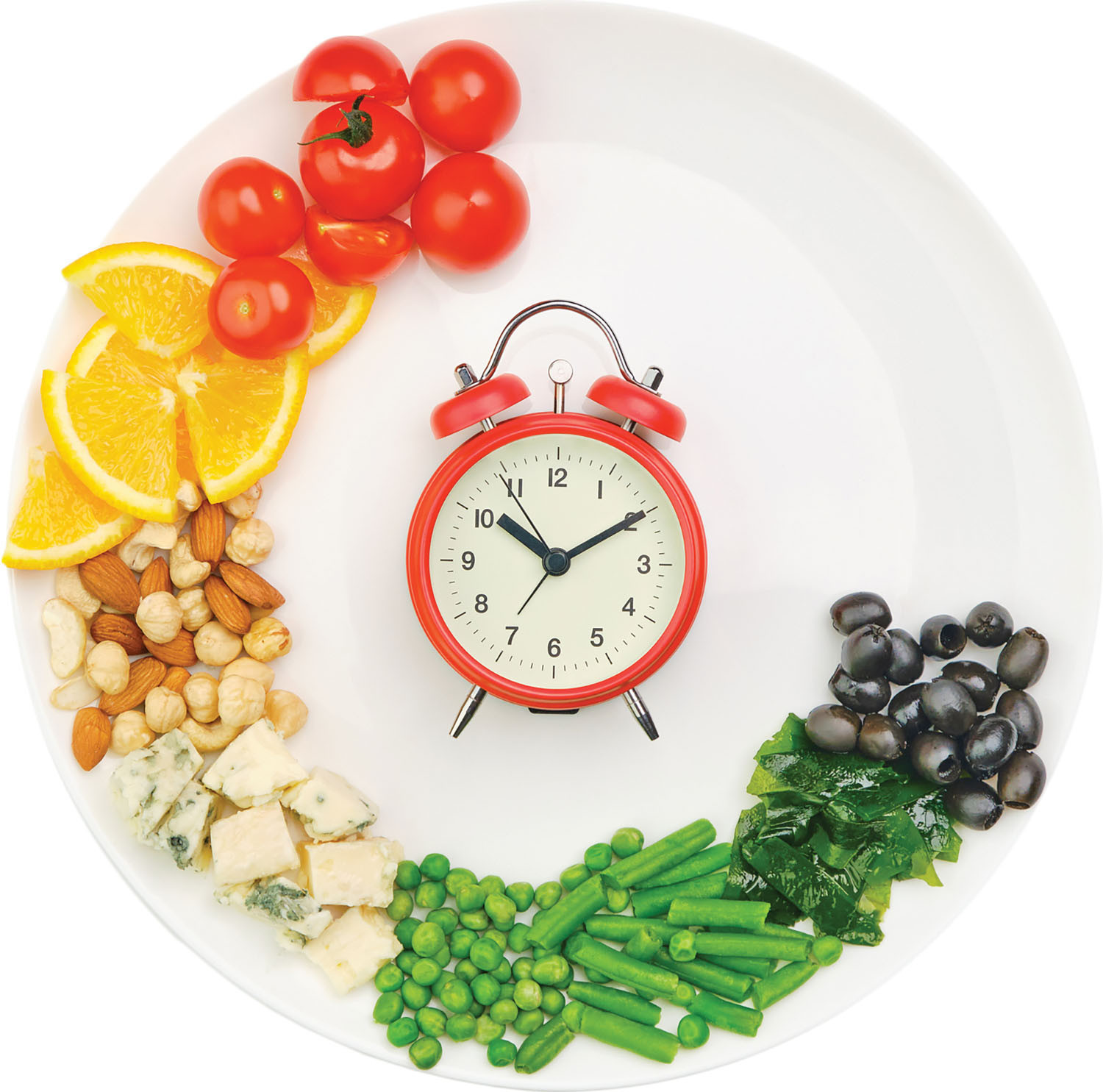
Scheduled fasting may help with weight loss
A 2021 study verified that intermittent fasting may be an effective weight-loss strategy. It also seemed to improve some measures of risk for cardiovascular disease, such as lowering blood pressure, cholesterol, and blood sugar.

Don't waste time (or money) on dietary supplements
In 2022, Americans are projected to spend $35.6 billion on dietary supplements, even though there is little, if any, evidence of benefits. Loopholes in guidelines and clever marketing allow companies to promote these products with misleading promises. While some people may need specific supplements to help with deficiencies, for the average healthy person, following a diet with plenty of fruits and vegetables provides all essential vitamins and minerals.

Eating more olive oil linked to longer life span
Consuming more than a half tablespoon of olive oil per day may protect people from cardiovascular disease, cancer, and Alzheimer's disease, according to a 2022 study.

Laughing with friends linked to lower risk of disability
An observational study published in the February 2022 issue of Preventive Medicine suggests that laughing with friends is associated with a 30% reduced risk of developing functional disability—problems performing essential everyday activities.
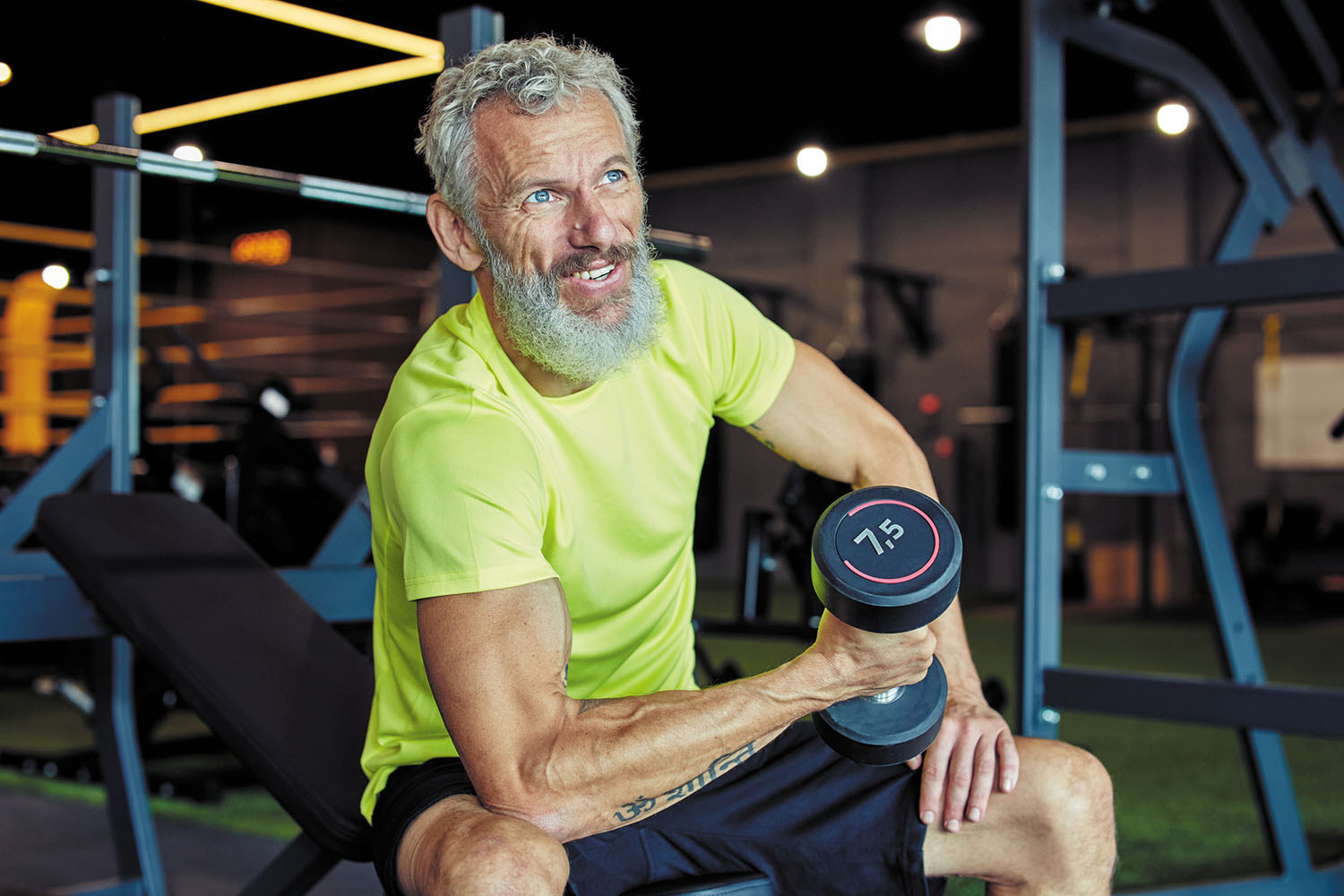
A healthier way to look at body fat
According to the CDC, about 42% of men ages 60 and older are obese. But fat in itself is not the issue, as the body needs a certain amount of fat to stay healthy. The amount of stored fat, and especially its location in the body, have the greatest impact on health. Consuming too many calories and not getting enough exercise both contribute to stored fat, but people can reduce their amounts by watching calorie intake and increasing exercise, in particular with resistance training for men.

Harvard study: High olive oil consumption associated with longevity
A study published Jan. 18, 2022, in the Journal of the American College of Cardiology found that people who consumed the most olive oil had a 19% lower risk of dying during a 28-year study period, compared with those who rarely or never consumed olive oil.

Does a low-salt diet really improve your health?
Using salt substitutes containing potassium chloride instead of using sodium chloride (table salt) may help reduce heart attack and stroke risk. A Harvard study published online Nov. 13, 2021, by The New England Journal of Medicine found that people who consumed the most sodium chloride had a 60% higher risk of a major cardiovascular event (a heart attack, a stroke, cardiac stent placement, or surgery) compared with those who consumed the least. People who consumed the most potassium chloride had a 31% lower risk of a major cardiovascular event compared with the people who consumed the least.
Even a little exercise linked with lower stroke risk in people with afib
Testosterone therapy without evidence of deficiency may boost heart risk
Weight-loss drug may lower risk of heart attacks and infections
What to eat on the DASH diet
Migraine: How it's diagnosed and what that means
Tricep workouts you can do at home
Mindfulness practices to reduce stress and improve focus
Antihistamines may not offer meaningful relief from eczema symptoms
Overweight and taking blood pressure medications: Study finds it's a trend that's working
FDA approves first mRNA-based flu vaccine
Free Healthbeat Signup
Get the latest in health news delivered to your inbox!
Sign Up
