

Even a little exercise linked with lower stroke risk in people with afib

Testosterone therapy without evidence of deficiency may boost heart risk

Weight-loss drug may lower risk of heart attacks and infections

What to eat on the DASH diet

Migraine: How it's diagnosed and what that means

Tricep workouts you can do at home

Mindfulness practices to reduce stress and improve focus

Antihistamines may not offer meaningful relief from eczema symptoms

Overweight and taking blood pressure medications: Study finds it's a trend that's working

FDA approves first mRNA-based flu vaccine
Physical activity and exercise Archive
Articles

Tips to cheat safely on your healthy diet
Eating an unhealthy meal every now and then may not cause problems for generally healthy people. This may mean eating a healthy diet 90% of the time and splurging 10% of the time. It's called the 90-10 rule. But the rule shouldn't be abused. Cheating regularly on a healthy diet can lead to weight gain and other consequences of poor eating habits. Instead, one should follow a healthy diet on most days, and indulge only occasionally.


Considering collagen drinks and supplements?
Celebrities and influencers claim that consuming collagen could have miraculous benefits for skin, hair, and nails. But what does the science say?

Fall allergen alert
Ragweed pollen and mold spores are common causes of allergies during the fall months. Breathing them into the lungs may cause the body to overreact, leading to classic allergy symptoms of a runny nose, watery eyes, and sneezing.

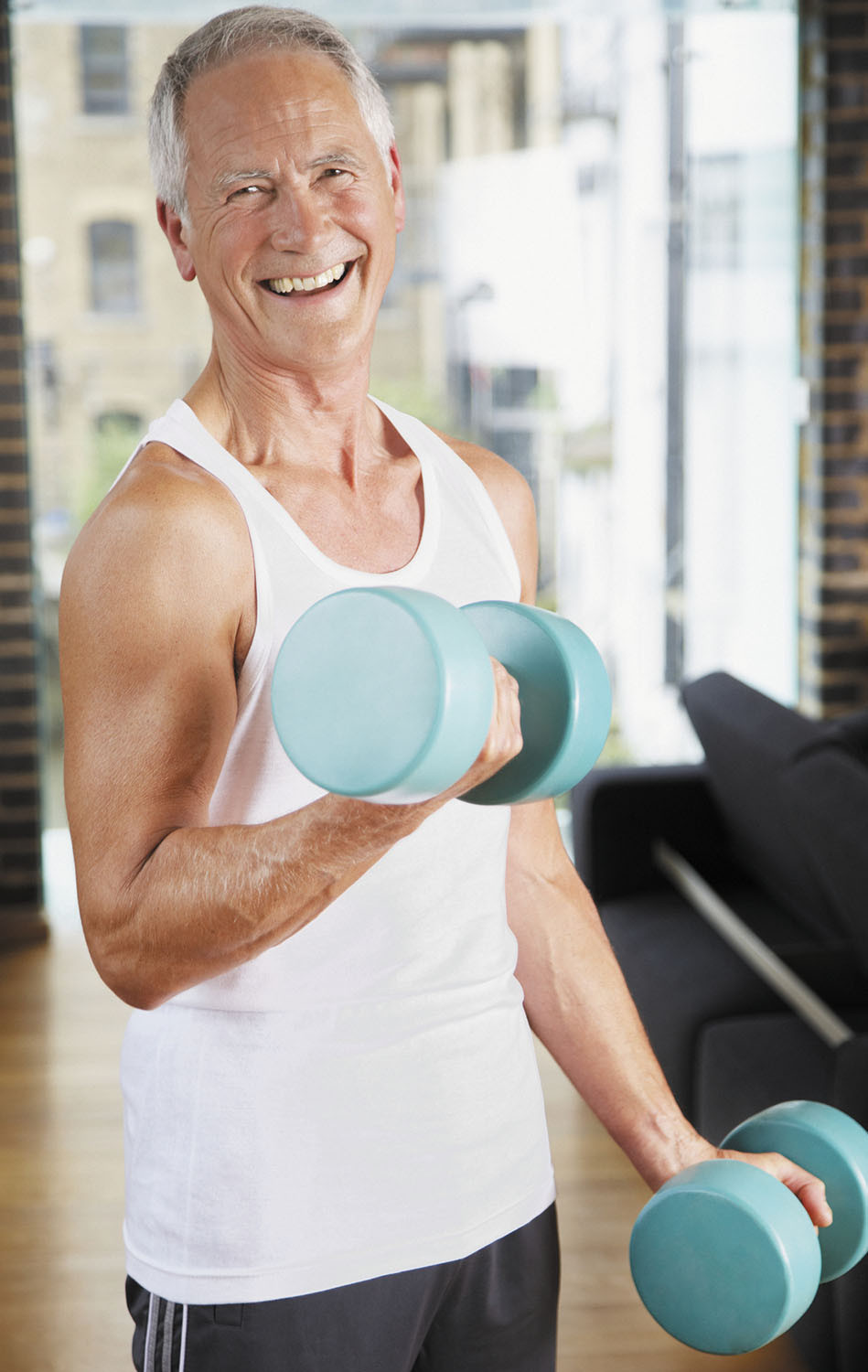
Don't let muscle mass go to waste
Age-related muscle loss is a natural part of getting older. But muscle loss can occur faster after an injury, illness, or any prolonged period of inactivity, leading to muscle atrophy. The consequences can mean overall weakness, poor balance, and even frailty. The good news is that it's possible to rebuild lost muscle through a comprehensive program that includes physical therapy, strength training, cardio, flexibility, and a nutrition plan that includes more protein and calories.

5 tips to get your eating habits back on track
Eating healthy during the COVID-19 pandemic has been a challenge for some. But using simple strategies, such as building meals from three categories (a protein, a vegetable, and a carbohydrate) and aiming to ensure that at least half of your plate includes healthy options. It’s also a good idea to keep food out of sight to avoid mindless eating if you are spending more time at home.
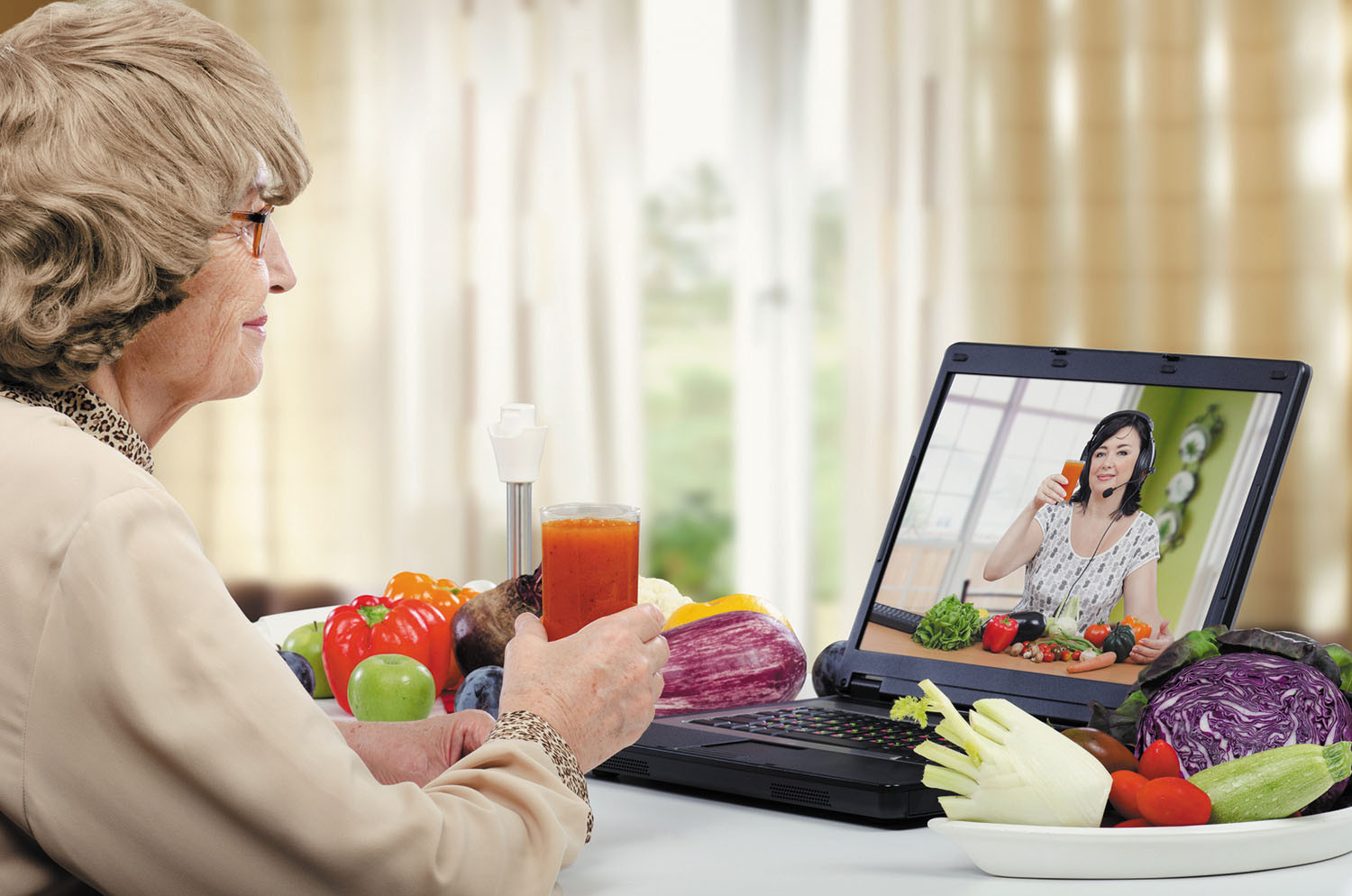
Extra support for better health
A variety of coaches can help people reach their particular health goals. Health and wellness coaches inspire and guide clients to shift their mindset and develop new, healthy behaviors. Fitness professionals—such as personal trainers or exercise physiologists—develop and prescribe exercise regimens to help clients. Dietitians develop eating plans tailored to clients’ needs, such as weight loss or gain, or preventing or treating chronic disease. And culinary coaches use coaching principles and cooking expertise to teach people how to shop for and prepare healthy meals.
Even a little exercise linked with lower stroke risk in people with afib
Testosterone therapy without evidence of deficiency may boost heart risk
Weight-loss drug may lower risk of heart attacks and infections
What to eat on the DASH diet
Migraine: How it's diagnosed and what that means
Tricep workouts you can do at home
Mindfulness practices to reduce stress and improve focus
Antihistamines may not offer meaningful relief from eczema symptoms
Overweight and taking blood pressure medications: Study finds it's a trend that's working
FDA approves first mRNA-based flu vaccine
Free Healthbeat Signup
Get the latest in health news delivered to your inbox!
Sign Up
