Harvard Heart Letter: September 2009

Did you know?

You can get instant online access to all of the articles from the September 2009 issue of Harvard Heart Letter for only $5.00.

If you want a button/link to remove the box (not sure if you do or not...), it would look like this: Cancel

Already a subscriber to this newsletter? Login for complete instant access.

Articles in this issue:

Special section: Cardiovascular connections: Body fat: The good, the bad, the…

Abdominal fat cells are responsible for many cardiovascular problems.

Special section: Cardiovascular connections: Two-way street between head, heart

Stress, anxiety, and negative emotions can bring on or worsen heart disease, and cardiovascular problems can contribute to dementia. Read More »

Special section: Cardiovascular connections: Psoriasis is more than skin deep

Psoriasis, which is not a skin disease but an immune disorder, may be linked to heart disease, possibly through inflammation.

Special section: Cardiovascular connections: Testosterone, sex, and the heart

Low levels of testosterone have been linked to many health problems in men.

Special section: Cardiovascular connections: The ovarian connection

Hormones produced by the ovaries are beneficial, but taking a hormone medication increases certain health risks.

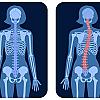
Special section: Cardiovascular connections: Skeleton key

Taking measures to protect the heart, such as exercising and eating a healthy diet, can also help prevent osteoporosis.

Special section: Cardiovascular connections: Odd associations

A number of odd connections exist between body parts and the cardiovascular system.

Ask the doctor: Does exercise help damaged heart muscle?

After my heart attack, my doctor told me that damaged heart muscle cannot be replaced. If this is true, why am I walking on a treadmill five days a week? Is this helping repair the damage or strengthen what's left?

Ask the doctor: Are there radiation-free tests for checking my arteries?

Are there any noninvasive, radiation-free tests that can give the same information about possible blockages in my coronary arteries as a nuclear stress test? I've had so many CT scans for other conditions that I'd prefer to go non-nuclear for a while.

Pain relief balancing act

Frequent use of pain relievers can irritate the stomach, digestive tract, or possibly the heart and blood vessels. For people with heart disease, a study suggests that regular use of naproxen will not harm the heart.

Walk often, walk far

A cardiac rehabilitation program can help people with heart disease regain strength and stamina. An exercise program that emphasizes frequent walking over a more intense workout can result in greater loss of weight and body fat.

Heart Beat: Treating sleep apnea may pay off for the heart

Sleep apnea can damage the heart or cause rhythm problems. Treating the apnea may stop or reverse this damage.

Heart Beat: Double treatment for heart attack

People who receive a clot-destroying drug after a heart attack may also benefit from a subsequent angioplasty.

Heart Beat: Anxious about angina

Anxiety and depression greatly increase the probability of developing angina.

In Brief

Brief reports on the use of compression stockings by stroke survivors, and the benefit of adding a second blood pressure medication.

Special section: Cardiovascular connections: Two-way street between heart and health

This special section highlights the relationships between the heart and many other parts of the body.

Web Extras: