Step into summer in the best shape of your life with these reports from Harvard Medical School.
Learn How

Start your exercise and fitness program and reap the benefits of being more fit, stronger and healthier!

Warmer weather is on the way and it's not too late to get in shape for the summer. These 3 reports can help you enjoy outdoor activities in the best shape of your life:

Harvard Health Letter: May 2011

Articles in this issue:

Editor's note

The editor in chief of the Harvard Health Letter introduces the 2011 edition of a special issue comprised entirely of "Ask the doctor" letters from readers.

Ask the doctor: Is robotic surgery better?

Q. A hospital in the area is advertising robotic surgery. Is it really any better than having a surgeon do the operation?

A. The first robotic surgery was performed over in the mid-1980s. Now thousands of operations are being done with the assistance of robots. A better term might be robotic instrumentation because, ultimately, there's always a human surgeon with his or her hands on the controls.

Even without robots, a lot of surgery is less hands-on than it used to be. For decades, surgeons have been doing many common abdominal operations, like gallbladder removals, with laparoscopes — tubelike instruments ...

Ask the doctor: Alternative to warfarin

Q. For several years, I have been taking warfarin because of atrial fibrillation. I recently suffered several nosebleeds, which took two days to control. The trauma of those episodes makes me want to swear off warfarin, but I am not sure what other options I have.

A. People with atrial fibrillation are at risk of having a stroke because when the atria (the top two chambers of the heart) fibrillate (beat chaotically), blood collects in the heart, giving clots a chance to form. One of those clots can travel to the head, get stuck in a blood vessel there, and ...

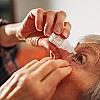
Ask the doctor: Do cataracts need to be ripe for surgery?

Q. I think I may have cataracts. I heard somewhere that they need to be ripe before I get surgery. Is that true?

A. The lens of the eye is normally clear and has a consistency that is a bit stiffer than Jell-O. A cataract is a clouding of the lens caused by degradation and clumping of various proteins in the tissue. When that happens, the lens also gets stiffer, and in extreme cases, a lens can get as hard as a rock.

It's true that people used to have to wait until their cataracts hardened, or "ripened," before they ...

Ask the doctor: Seborrheic keratoses

I have a bad case of seborrheic keratoses on my back and chest. What can you tell me about this skin problem?

Ask the doctor: Nuclear stress tests

Q. I recently had a nuclear stress test and the contrast agent got stuck in my gut, so the image couldn't be read. Is this a common problem, and is there anything that can be done about it?

A. The purpose of a stress test is to identify problems with blood supply to the heart muscle or the coronary arteries that supply it with blood. The standard test involves measuring the heart's electrical activity with an electrocardiogram (ECG) while the patient "stresses" his or her heart with exercise, which usually means walking on a treadmill or pedaling a stationary bike.

...

Ask the doctor: Runny nose

Why does the nose run in cold weather?

Ask the doctor: 10% brain myth

  Is it true that we use only 10% of our brains?  

Ask the doctor: Baggy eyes

What causes bags and puffiness around the eyes and dark circles underneath them?

Ask the doctor: Heavy bleeding, fibroids, and polyps

Q. I am 53. I've had fibroids for some time but have experienced heavy menstrual bleeding lately. A recent ultrasound showed fibroids and polyps. My doctor presented me with three choices: do nothing and monitor the situation with ultrasounds (which have been part of my annual gynecological exams for a while); get a hysterectomy; or get a new procedure, which I think involves freezing the fibroids and polyps. I am not sure what to do.

A. As you know, you're almost certainly in perimenopause, the four to eight years leading up to menopause and the complete cessation of menstruation. Every ...

Ask the doctor: Coconut oil

  I have started noticing more coconut oil at the grocery store and have heard it is better for you than a lot of other oils. Is that true?   Read More »

Ask the doctor: Questioning the necessity of aspirin

Q. My doctor recently advised me to start taking an 81-mg aspirin once a day. I am a physically active 62-year-old and have been a vegetarian — mostly vegan — for 35 years. My BMI is less than 24, my HDL is over 70, and my Framingham risk score is 8%. My only problems are systolic blood pressure in the 130s and an occasional episode of arrhythmia. I'd really rather not take aspirin. Am I being foolish in questioning my doctor's advice?

A. It's not foolish to question your doctor's advice. You need to understand the reasoning and the facts ...

Did you know?

You can get instant online access to all of the articles from the May 2011 issue of Harvard Health Letter for only $5.00.


Already a subscriber to this newsletter? Login for complete instant access.

If you want a button/link to remove the box (not sure if you do or not...), it would look like this: Cancel