Harvard Health Letter: November 2010
Articles in this issue:
Smartphoning it in
New applications are turning cell phones into medical devices.
If you have an iPhone or Android, you no doubt appreciate why they're called smartphones. The pocket-sized devices, while nominally telephones, are also powerful computers with operating systems capable of running hundreds of thousands of software programs called applications, or "apps."
Most of the apps are designed to keep you entertained, but many have a practical purpose, including helping you manage your health. While a lot of health and medical apps provide little more than an alternative to pen and paper for note taking, an increasing number are harnessing the phones' ...
You've torn your ACL. Now what?
A new study sheds light on treatment choices for torn knee ligaments. Surgery may not be necessary.
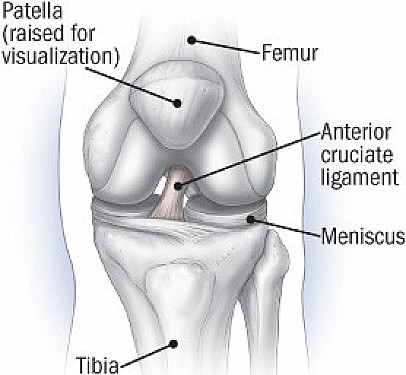
A 30-year-old skier takes a sharp turn on the slopes and hears a dreaded "pop" in his right knee. He has ruptured the anterior cruciate ligament (ACL) — a band of tissue that's important for stabilizing the joint. After icing, compressing, and elevating his swollen knee, he visits the doctor. Now it's time to decide on treatment.
If he's an elite athlete or has additional knee damage, the choice is fairly clear: reconstructive surgery to replace the ACL, plus intense physical therapy. But ...
New caution about opioids
The pendulum is swinging back to more caution and restrictions on long-term use of these powerful pain relievers.
For years, there was great reluctance to use opioid pain relievers like morphine to treat pain, unless it was for a very short period or the person had a terminal disease, usually cancer — and even then there were misgivings. Both doctors and patients worried about addiction and side effects, especially the consequences these drugs sometimes have on mood and thinking. Laws and regulations made it difficult for doctors to prescribe opioids, which in a legal context are called narcotics. The legalities ...
By the way, doctor: Why don't statins damage the heart muscle?
I've heard that statin drugs can cause muscle damage. Since the heart is a muscle, why don't statins cause heart damage?
By the way, doctor: Is there an environmentally friendly way to get omega-3s?
Omega-3 fats may be good for you, but I worry about overfishing. Is there a way of getting omega-3s without contributing to this problem?
Did you know?
You can get instant online access to all of the articles from the November 2010 issue of Harvard Health Letter for only $5.00.
Already a subscriber to this newsletter? Login for complete instant access.