Taming high blood pressure: How doctors find the right drug mix

Easy ways to add tofu to your diet
Red eyes, dry eyes, and more: Top questions for your eye doctor

The most effective types of exercise to lower blood pressure
Insufficient sleep linked to higher risk of atrial fibrillation

The best foods high in potassium — and why you need them

How to protect your health in a power outage

Can juicing help you get more fruits and vegetables?
Physical therapy provides modest improvement for chronic low back pain
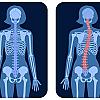
Scoliosis treatment: Can it help as you get older?
Medical Dictionary of Health Terms: Q-Z
Medical Dictionary of Health Terms: Q-Z
Browse dictionary by letter:
A | B | C | D | E | F | G | H | I | J | K | L | M | N | O | P | Q | R | S | T | U | V | W | X | Y | Z
Q
quadriplegia: Paralysis of all limbs, often caused by a severe neck injury.
quantitative computed tomography: A modification of computed tomography that provides measurements of bone mass as well as an image.
quarantine: A period of time in which a sick person is kept away from others to prevent the spread of disease.
quick relievers: Medications that quickly open the bronchial tubes by relaxing the muscles surrounding these airways.
quiet sleep: Any sleep other than REM sleep, in which thinking and most physiological activities slow, but movement still occurs. Also called non-REM sleep.
Browse dictionary by letter:
A | B | C | D | E | F | G | H | I | J | K | L | M | N | O | P | Q | R | S | T | U | V | W | X | Y | Z
R
radial tunnel syndrome: A condition in which the radial nerve is compressed at the elbow, causing pain, numbness, tingling, and muscle weakness in the hand and arm.
radiation: Energy in the form of particles or waves, such as x-rays and gamma rays. Radiation is often used to help make a diagnosis, as in x-rays, or as a treatment for cancer.
radiation therapy: Treatment with high-energy rays (from x-rays or other sources) designed to control disease and destroy cancer cells.
radical prostatectomy: Surgery to remove the entire prostate.
radiculopathy: Pain caused by irritation of a nerve as it exits the spinal cord.
radioactive iodine: A radioactive form of iodine that can be used as a tracer during a radioactive iodine uptake test or a radioactive thyroid scan. Much larger amounts are used in the treatment of hyperthyroidism.
radioallergosorbent test: A blood test used for identifying allergens.
radiofrequency: A non-surgical technique using an electromagnetic current to penetrate deep into the body’s tissues, which can be used to treat pain, cancer, and heart rhythm disorders, among other conditions.
radiograph: Another name for an x-ray.
radionuclide imaging or scan: Another name for nuclear tests: tests that use tiny amounts of short-lived radioactive substances that can target particular organs or cell receptors to diagnose disease.
radionuclides: Short-lived radioactive chemicals that are used in nuclear imaging tests.
rales: Abnormal lung sounds that might be a sign of fluid buildup congestion in the lungs.
randomized: A feature of many clinical trials in which participants are randomly assigned to either a group to be tested or a control group.
randomized controlled trial: A study in which researchers choose a study population at random; one group receives the intervention (such as a nutritional supplement) and another group receives a placebo. Often referred to as an RCT.
range of motion: The extent of movement—and thus flexibility—in a joint, measured in the degrees of a circle.
rapid eye movement sleep: A period of intense brain activity during sleep, often associated with dreams; named for the rapid eye movements that occur during this time. Also called dreaming sleep.
RAST: Abbreviation for radioallergosorbent test, a blood test used for identifying allergens.
Raynaud’s syndrome: A condition in which the blood vessels in the fingers and other extremities narrow in response to cold or stress, causing them to turn white or blue.
RCT: Abbreviation for randomized controlled trial, a study in which researchers choose a study population at random; one group receives the intervention (such as a nutritional supplement) and another group receives a placebo.
RDA: Abbreviation for recommended dietary allowance, the average daily amount of a nutrient that will meet the nutritional needs of almost all (97%–98%) healthy people at specific stages of their lives.
reactive arthritis: Joint problems triggered by bacterial or viral infection elsewhere in the body.
rebound insomnia: Insomnia caused by withdrawal from sleep medication; usually it is at least as serious as before the medication was used.
receptors: Structures on the outside of a cell membrane that permit attachment of specific chemicals.
recessive: A gene that will not be expressed in the offspring unless it is inherited from both the mother and father. A recessive gene from one parent that is paired with a dominant gene from the other parent will be overridden by the dominant gene.
recombinant tissue plasminogen activator: A thrombolytic (clot-dissolving) drug made using recombinant DNA technology; used to dissolve blood clots causing an ischemic stroke, pulmonary embolism, or myocardial infarction.
recommended dietary allowance: The average daily amount of a nutrient that will meet the nutritional needs of almost all (97%–98%) healthy people at specific stages of their lives.
recovery: A process of overcoming addiction to alcohol, other psychoactive substance, or addictive behavior. Often this involves a commitment to abstinence, but sometimes it involves reduced use rather than complete abstinence.
rectocele: A weakening of the vaginal wall that allows the rectum to bulge into the vagina.
rectum: The last 12 centimeters of the colon, through which waste is eliminated from the body.
refraction: The deflection of light as it passes through one medium to another of different density; also refers an eye test to evaluate the eye’s ability to focus.
regurgitation: Leakage of blood back into a heart chamber that occurs when a heart valve doesn't close properly
rehabilitative driving specialist: A professional trained to evaluate driving skills and, when appropriate, suggest equipment and adaptations to make driving safer for people with certain physical or mental limitations.
rejection: A reaction that occurs when a person’s immune system recognizes a transplanted organ as a threatening substance and tries to rid the body of it.
relapse: The return of symptoms and disease after a person seems to have recovered.
relaxation response: The physical effects of meditation and certain other techniques that are opposite to those of the stress response. Effects include marked drops in oxygen consumption, carbon dioxide expiration, heartbeat, and respiration, as well as stabilization or lowering of blood pressure.
REM: Abbreviation for rapid eye movement, which occurs during a period of sleep characterized by intense brain activity, often associated with dreams.
REM behavior disorder: A sleep disorder marked by movement during REM sleep, when muscles are normally paralyzed.
REM rebound: An increase in REM sleep, often with nightmares, that occurs after deprivation of REM sleep or the withdrawal of REM-suppressing medications.
remission: A lessening in the severity of a disease and its symptoms. In cancer, a reduction in the size of a tumor and its symptoms.
remodeling: Altering a body part. Bone is constantly being remodeled in response to exercise or inactivity. Heart tissue is remodeled in response to a heart attack or high blood pressure.
renal: Pertaining to the kidneys.
renal artery stenosis: Narrowing of an artery that supplies blood to the kidney.
renin: An enzyme released by the kidney that stimulates production of angiotensin and aldosterone, two substances in the body that affect blood pressure.
reperfusion: Re-establishing blood flow, such as when a blockage in a coronary artery that is causing a heart attack is cleared.
reperfusion therapy: Techniques used to restart circulation to part of the heart or brain that has been cut off from blood flow during a heart attack or stroke. Reperfusion may entail clot-dissolving drugs, balloon angioplasty, or surgery.
repetitions: Number of times an exercise calls for a muscle to be worked and released (usually eight to 12). Often referred to as reps.
resection: The surgical removal of a lesion or part or all of an organ or other body structure.
resectoscope: An instrument that permits a surgeon to view the inside of a body cavity in order to remove a part of an organ or structure.
reservoir: The habitat in which an infectious agent normally lives, grows, and multiplies. Reservoirs include human, animal, and environmental reservoirs.
resilience: The ability to adapt to change and recover quickly from setbacks such as illness, injury, or misfortune.
resistance: The ability of a pathogen to withstand drugs previously effective against them. Usually the result of genetic mutation.
resistant hypertension: High blood pressure that does not respond to drug therapy and lifestyle changes.
resorption: The removal of bone tissue, both mineral and protein, by osteoclasts.
respiration: The process by which gases enter the body, including external respiration (breathing), and internal respiration, in which oxygen taken in by the lungs is carried by the blood to tissues and carbon dioxide is removed.
restenosis: Renarrowing of a blood vessel that has been widened with angioplasty.
resting energy expenditure: The rate at which the body burns calories while at rest. Resting energy expenditure accounts for 60%–75% of the daily calories burned.
restless legs syndrome: Achy or unpleasant feelings in the legs associated with a need to move. Most prominent at night, making it hard to fall asleep or stay asleep.
resuscitation: The process of reviving a person who is not breathing or whose heart is not beating using techniques such as artificial respiration and heart massage.
retina: The innermost layer of the eye, which converts light energy to electrical energy and sends visual images to the brain via the optic nerve.
retinal detachment: A condition in which the retina separates from the choroid (the back of the eye) and leads to a loss of vision.
retinoid: A synthetic, vitamin A-like compound.
retrieval: The act of recalling previously learned information, involving the reactivation of particular nerve-cell pathways in the brain related to that piece of information.
retrograde ejaculation: An adverse effect of both prostate surgery and some medications that causes semen to flow back into the bladder rather than out through the penis.
retrospective study: A research method that looks for possible causes for a current disease by examining a study population's past habits.
revascularization: Restoration of blood flow to areas of heart muscle affected by coronary artery disease by means of coronary artery bypass surgery or angioplasty.
reward insufficiency theory: The theory that some people turn to addiction to compensate for an inability to sufficiently experience pleasure.
reward pathway: An interrelated set of brain regions that are all involved in recognizing, experiencing, and remembering pleasurable or rewarding events.
rheumatic disease: Any one of over 100 disorders that cause inflammation in connective tissues.
rheumatism: Pain and stiffness of soft tissues in and around joints.
rheumatoid arthritis: An inflammatory autoimmune disease that typically attacks the connective tissue of the joints, causing them to become painful, inflamed, and sometimes deformed.
rheumatoid factor: An antibody found in about 85% of people with rheumatoid arthritis; also appears in other diseases and sometimes in healthy people.
rheumatologist: A medical doctor trained to diagnose and treat disorders involving inflammation of the joints and other parts of the musculoskeletal system.
rheumatology: The branch of medicine devoted to the study and treatment of diseases marked by inflammation, degeneration, or metabolic problems of the connective tissues (particularly the joints and related structures).
rhinoplasty: Reshaping the cartilage and bone of the nose to achieve the desired profile. Commonly known as a nose job.
rhytidectomy: A surgical procedure that involves removing excess skin and tightening the underlying muscle to correct sagging around the jaws, jowls, and neck. Does not include work on the eyes or forehead. Commonly known as a face lift.
right atrium: The right upper chamber of the heart; it receives partially deoxygenated blood as it returns from the body's tissues and moves it into the right ventricle for distribution to the lungs.
right coronary artery: One of the principal coronary arteries that supplies blood to the heart; this vessel supplies the right and lower part of the heart.
right ventricle: The right lower chamber of the heart; it receives blood from the right atrium for distribution to the lungs.
ringworm: An itchy condition of the scalp caused by a fungal infection. Also known as tinea capitis.
Rinne test: A simple hearing test that uses a tuning fork to determine what type of hearing loss a person has.
risk factor: Any factor that can cause a person to be more likely to develop a disease. For example, smoking is a risk factor for lung cancer.
risky drinking: Drinking that increases the chances of adverse consequences; drinking more than guidelines on moderate drinking suggest.
RLS: Abbreviation for restless legs syndrome, an achy or unpleasant feelings in the legs associated with a need to move. Most prominent at night, making it hard to fall asleep or stay asleep.
rods: Light-sensitive cells in the retina that respond best in darkness and dim light.
root: The portion of the tooth below the gum line.
root canal: A channel in the root of the tooth that contains the pulp.
root canal therapy: A procedure in which diseased pulp tissue is removed from the pulp chamber and root canal and the area is sealed off.
rosacea: A skin condition that enlarges blood vessels in the face, causing redness of the nose and other parts of the face.
rotator cuff: A group of tendons and muscles used to raise the arm from the side and rotating the shoulder.
roughage: Indigestible dietary fiber found in grains, fruits, vegetables, and other foods. Roughage is thought to help prevent conditions such as constipation.
rupture: A tear or break in an organ or tissue. Tissue that protrudes through the rupture is known as a hernia.
ruptured disk: When part of a spinal disk bulges out of a tear or weak spot in the disk’s tough outer shell. Also known as prolapsed disk or herniated disk.
Browse dictionary by letter:
A | B | C | D | E | F | G | H | I | J | K | L | M | N | O | P | Q | R | S | T | U | V | W | X | Y | Z
S
sacroiliitis: Inflammation of the sacroiliac joints, which connect the lower spine to the pelvis.
sacrum: The larger triangular bone at the base of the spine.
SAD: Abbreviation for seasonal affective disorder, sadness and depression brought on by a lack of exposure to sunlight. SAD usually appears in the fall or winter and subsides in the spring.
saline: A watery solution that contains a small amount of salt and is often used to administer drugs or as a substitute for plasma.
salivary gland: One of three pairs of glands that pour lubricating fluids and digestive enzymes into the mouth.
saphenous vein: A superficial blood vessel that extends from the thigh to the calf; it can be removed and used as a coronary bypass graft.
sarcolemma: A membrane that covers the muscle fiber and ties the end of it to a tendon.
sarcoma: A cancer that arises in the soft tissues of the body that connect, support, and separate other tissues or organs. Sarcomas can occur almost anywhere in the body.
satisficer: A person who can make a choice and be satisfied with it when presented with an option that meets his or her standards, without needing to examine all options or find the absolute best.
saturated fat: A type of fat found in animal foods such as meat, poultry skin, butter, and whole-milk dairy products, as well in as palm and coconut oils. A diet high in saturated fat tends to raise blood levels of unhealthy low-density lipoprotein (LDL) cholesterol.
sausage digit: A toe or finger swollen and red along its entire length.
scapulothoracic joint: A shoulder joint that connects the scapula to the ribs at the back of the chest.
Schlemm's canal: A circular drainage system in the eye located where the clear cornea, white sclera, and colored iris meet to form an angle.
sciatica: Pain along the course of the sciatic nerve (which runs from the buttock, down the back and side of the leg, and into the foot and toes), often because of a herniated disk.
scintigraphy: A diagnostic technique based on the detection of energy emitted by radioactive substances injected into the body; also called radionuclide scanning.
scintillations: The perception of flashing lights or lines that sometimes occurs during the aura of a migraine headache.
sclera: The white of the eye; a tough, protective coating of collagen and elastic tissue that, with the cornea, makes up the outer layer of the eyeball.
scleral buckling: A surgical technique that indents the sclera and choroid to reattach the retina.
scleroderma: An autoimmune disease in which the skin thickens and hardens; sometimes other parts of the body are affected, and joint pain may result.
scoliosis: An abnormal lateral, or sideways, curvature of the spine.
scotoma: A blank spot in the visual field that is sometimes evident during the aura of a migraine headache.
scurvy: A disease caused by vitamin C deficiency, characterized by bruising, poor wound healing, bleeding of the gums, and loosened teeth.
seasonal affective disorder: Sadness and depression brought on by a lack of exposure to sunlight. Seasonal affective disorder usually appears in the fall or winter and subsides in the spring. sometimes referred to as SAD.
sebaceous gland: A gland that opens into a terminal hair follicle; it secretes sebum, the natural oily conditioner of hair.
seborrheic dermatitis: A mild and common condition that is characterized by an itchy, flaky scalp and that may extend to the ears, face, and chest. Also known as dandruff.
secondary hypertension: High blood pressure that has an identifiable, often correctable, cause such as kidney disease, hyperthyroidism, sleep apnea and other conditions.
secondary osteoporosis: Bone loss associated with an identifiable medical condition, treatment with certain drugs, or immobility.
secretion: The release of chemical substances produced by the body; or the substance that is produced.
sed rate: Shorthand for erythrocyte sedimentation rate—a test involving red blood cells used to check for different infections, inflammations, and cancers.
sedative: A drug or a procedure that has a calming effect and relieves anxiety and tension.
seizure: A sudden, involuntary contraction of muscles that results in rhythmic contortions of the body, often accompanied by a loss of consciousness. Also called a convulsion.
selective estrogen receptor modulators: Chemically synthesized drugs that mimic estrogen in some tissues but act to block estrogen’s effects in others.
selective serotonin reuptake inhibitors: Antidepressants that block the reuptake of serotonin into the neurons that released it, leaving more serotonin available to nerve cell receptors. Commonly used to treat depression and other mood disorders.
self-help group: A group of people who meet to discuss and offer assistance to one another with the goal of providing social support for changing troubling behavior patterns.
seminal vesicles: Structures surrounding the prostate gland involved in storing secretions made by the gland.
senescence: Gradual loss of body functions caused by the biological aging process, which increases risk of disease, disability, and death.
senile dementia: Diagnosis once given to people over 65 with dementia.
sensate focus techniques: A set of structured exercises that sex therapists use to help couples focus on the sensual aspects of physical contact without pressure to achieve orgasm.
sensorineural hearing loss: Permanent hearing loss caused by damage to the cochlea, hair cells, or auditory nerve.
sepsis: The destruction or infection of tissues by disease-causing organisms, usually accompanied by a fever.
septicemia: A condition in which disease-causing organisms have spread to the bloodstream from an infection elsewhere in the body. Also known as blood poisoning.
septum: A wall or other structure that divides one cavity from another. For example, in the heart the muscular septum separates the right side of the heart from the left side.
SERMs: Abbreviation for selective estrogen receptor modulators, chemically synthesized drugs that mimic estrogen in some tissues but act to block estrogen’s effects in others.
seroma: A pocket of lymphatic fluid that builds up at an incision after surgery.
serotonin: A neurotransmitter that helps regulate sleep and appetite, mediate moods, and inhibit pain.
serotonin-norepinephrine reuptake inhibitors: Antidepressants that slow the reuptake of both serotonin and norepinephrine into the neurons that released these substances, leaving more serotonin and norepinephrine available to nerve cell receptors. Commonly used to treat depression and other mood disorders.
sesamoiditis: A painful inflammation in and around two small bones known as sesamoids, located beneath the base of the big toe, at the ball of the foot.
set: A specific number of repetitions of an exercise done as a group.
sexual dysfunction: A problem with any area of a person’s sexual response that causes distress.
shock: A serious medical condition in which there too little blood flows to the outer portions of the body, resulting in cold, sweaty skin; a weak pulse; irregular breathing; and dilated pupils. Shock can be caused by a loss of blood, severe heart problems, severe infections, allergic reactions, or drug overdoses.
short-term memory: Information the brain stores temporarily, from milliseconds to minutes.
shunt: A device inserted into the body to redirect the flow of blood or other fluid from one area to another.
side effect: An unwanted, and sometimes dangerous, reaction caused by medication or other treatment.
sigmoid colon: Section of the colon leading to the rectum that makes an S-shaped curve.
sigmoidoscopy: Internal examination of the rectum and sigmoid colon using a flexible viewing tube inserted through the anus.
signature strengths: Character strengths such as curiosity, integrity, and modesty that people identify with, appreciate having, and enjoy using.
sildenafil citrate: The active ingredient in Viagra. It blocks the breakdown of cyclic guanosine monophosphate, a chemical necessary for an erection.
silent heart attack: Heart attack that occurs without pain or symptoms; occurs most commonly in the elderly or in people with diabetes.
silent ischemia: Shortage of oxygen delivery to the heart muscle that causes no symptoms.
single-photon absorptiometry: A test using gamma rays to measure bone density, usually in the forearm.
sinoatrial node: The natural pacemaker of the heart. Located in the right atrium, the sinoatrial node, sometimes called the sinus node, initiates the heart's electrical activity.
sinus node: A specialized group of heart cells in the right atrium that generate the electrical impulses that cause the heart muscle to contract. Also called the heart's natural pacemaker.
sinus rhythm: The heart's normal rate and rhythm.
skeletal muscles: Muscles attached to bones throughout the body that allow voluntary movement to occur.
skin resurfacing: Any of several approaches to improve skin texture, tone, wrinkle appearance, and discolorations by promoting new collagen and epidermal growth. Chemical peels, dermabrasion, microdermabrasion, and laser procedures are skin-resurfacing techniques.
sleep apnea: Temporary pause in breathing during sleep, lasting at least 10 seconds and associated with a fall in blood oxygen or arousal from sleep. Obstructive sleep apnea is caused by an obstruction in the airway blocking air flow; central sleep apnea occurs when the brain temporarily stops sending signals to the muscles that control breathing.
sleep architecture: The pattern made when sleep stages are charted on a hypnogram.
sleep paralysis: A feeling of paralysis that may occur during the transition between wakefulness and sleep if the REM sleep stage begins before a person is fully asleep; classically associated with narcolepsy.
sleep spindles: On an electroencephalogram (EEG), brief rhythmic bursts of activity that appear during stage 2 sleep.
sling: A slender piece of material surgically inserted under the urethra or bladder neck to provide support and improve continence.
slipped disk: See herniated disk.
slipped vertebra: Forward displacement of a vertebra in relation to the vertebra immediately below; also called spondylolisthesis.
slit lamp: An instrument that magnifies internal structures of the eye with the aid of a thin beam of light. Also called a biomicroscope.
slow-twitch fiber: One of two main types of skeletal muscle fibers. Slow-twitch fibers are recruited most heavily for endurance (aerobic) exercises. See also fast-twitch fiber.
slow-wave sleep: Sleep stages 3 and 4; during slow-wave sleep the brain becomes less responsive to external stimuli.
small intestine: A section of the digestive system that includes the duodenum, jejunum, and ileum and plays the major role in absorbing nutrients for the body.
SMART: An acronym for an approach to setting goals for behavioral change: set a very Specific goal; find a way to Measure progress; make sure it’s Achievable; make sure it’s Realistic; and set Time commitments.
Snellen chart: The conventional eye chart used to test vision with lines of block letters in progressively smaller sizes.
somatization: Bodily symptoms that have no clear physical cause or are out of proportion to a given ailment, and may stem from psychological causes.
somnambulism: Sleepwalking.
somniloquy: Talking in one’s sleep.
sorbitol: A crystalline sugar alcohol used as a sweetening agent.
spacer: A hollow chamber into which inhaled medicines can be squirted before inhalation. Spacers are used with metered-dose inhalers to help deliver medicine effectively to the bronchial tubes and to reduce the amount of medicine left behind on the tongue and throat.
spasm: An involuntary muscle contraction.
sphincter: A ring of muscle that surrounds an opening and can be contracted to close the opening. For example, the muscles found at the anus and the opening of the bladder are sphincters.
sphygmomanometer: A device for measuring blood pressure.
spina bifida: A congenital defect in which part of the spinal column fails to develop completely, leaving part of the spinal cord exposed.
spinal fusion: A procedure to attach two or more vertebrae with a bone graft in order to eliminate motion and relieve pain.
spinal stenosis: A narrowing of the spinal canal, which can result in compression of nerve roots.
spinal tap: Use of a hollow needle to withdraw fluid from the lower part of the spinal canal for testing. Also called a lumbar puncture.
spinous process: The lever-like backward projection extending off each vertebra, to which muscles and ligaments are attached.
spirometer: A device that measures airway obstruction, used to diagnose asthma and determine the severity of the condition.
spirometry: A simple, painless breathing test performed in a physician’s office or pulmonary function laboratory that measures how fast air can be forced from the lungs and the total amount of air that can be emptied from the lungs.
splenic flexure syndrome: A painful spasm in the left upper abdomen below the rib cage, produced by areas of trapped gas in the colon.
spondylolisthesis: Forward displacement of a vertebra in relation to the vertebra immediately below.
spondylosis: A general term for degeneration of the spine that causes narrowing of the spinal canal and the small openings (intervertebral foramina) through which spinal nerves exit the canal.
spongy bone: Porous bone, also called trabecular bone, often found at the center of long bones.
sprain: A stretched or torn ligament.
sputum: A mixture of saliva and mucus that is coughed up from the respiratory tract. Sputum may be examined in a laboratory for signs of disease.
squamous cell: Flat, scaly epithelial cell.
SSRIs: Abbreviation for selective serotonin reuptake inhibitors, antidepressants that block the reuptake of serotonin into the neurons that released it, leaving more serotonin available to nerve cell receptors. Commonly used to treat depression and other mood disorders.
stable angina: Angina pectoris (chest pain with exertion or stress) that is well-controlled with medicines and lifestyle changes.
stable coronary artery disease: Narrowings in the heart arteries that cause angina pectoris in a predictable and stable pattern over time (for example, after walking a certain distance).
stages of change: A model for how people make changes in their lives. According to this model, changes in behavior are made gradually and in relatively distinct stages.
staging: The process of determining how far cancer has progressed. Staging is often used to determine the best course of treatment.
standardized extract: An herbal product in which what is believed to be the active ingredient meets an established standard of strength.
statins: Cholesterol-lowering medications that interfere with the enzyme 3-hydroxy-3-methylglutaryl-coenzyme A reductase; also known as HMG-CoA reductase inhibitors. Statins work by changing the way the liver processes lipids.
stenosis: An abnormal narrowing of a passageway, such as a blood vessel, or other type of opening in the body.
stent: A wire mesh device inserted into an artery to prop it open once a blockage has been cleared by angioplasty.
sterilization: 1) A surgical procedure or other method that results in a person being unable to reproduce. 2) The process by which materials are thoroughly cleaned of all organisms that could cause disease or infection.
steroids: Another term for corticosteroids—steroid medications made to mimic hormones produced naturally by the adrenal glands. They are used to treat a wide range of health problems.
stimulant: A substance that speeds up chemical reactions inside cells and provides a boost of energy. Examples include caffeine and amphetamine.
stomach: The sac-like organ of the digestive system between the esophagus and the duodenum which breaks down food and moves it along to the small intestine to be digested.
strain: A stretched or torn muscle or tendon, usually caused by accident, misuse, or overuse.
stratum corneum: The most superficial layer of the epidermis.
strength: The ability of muscles to exert force.
strength training: Popular term for exercises that harness resistance supplied by body weight, free weights such as dumbbells or weighted cuffs, resistance bands, or specialized machines; also known as resistance training or weight training.
streptokinase: A thrombolytic (clot-dissolving) agent designed to dissolve the blood clots that block an artery during a heart attack or stroke.
stress: An innate survival response in which certain hormones are released, increasing blood flow to the brain or heart. The stress response leads to an energy surge, enabling a person to flee dangerous situations. Ongoing stress, however, can sap energy and damage health.
stress fracture: A hairline crack in a bone that usually occurs from overuse; left untreated, this may lead to displacement of the bones.
stress response: Physiological changes, such as quickened breathing and heartbeat and increased blood pressure, brought on by stress hormones released in response to a real or perceived threat to safety. Also called the fight-or-flight response.
stress test: A diagnostic test in which cardiovascular measurements such as heart rate, blood pressure, and electrical activity are recorded while the heart is being stressed (usually by having the person exercise on a treadmill or bicycle).
stressors: Stressful events or circumstances that may be real or perceived threats to equilibrium and well-being.
stria: A line, streak, or band, such as the stretch marks that occur in pregnancy.
stricture: The abnormal narrowing of a hollow passage in the body, such as the esophagus or the urethra.
stroke: Blockage or rupture of a blood vessel supplying the brain; often leads to impaired brain function or death.
stupor: A state of lethargy and unresponsiveness.
subacute: A disease or condition that progresses slower than an acute condition but faster than a chronic condition.
subacute thyroiditis: A painful version of thyroid inflammation caused by viral infection. Symptoms are flu-like and include fever, muscle aches and pains, and a painful, swollen thyroid gland. Also known as de Quervain’s thyroiditis.
subarachnoid hemorrhage: A hemorrhagic stroke that occurs when a blood vessel on the surface of the brain bursts and bleeds into the space between the brain and the skull; usually caused by an aneurysm or other blood vessel malformation.
subarachnoid space: Space inside the brain where cerebrospinal fluid circulates.
subcutaneous: Beneath the skin.
subcutaneous tissue: Deepest layer of skin, which consists of connective tissue and fat.
subdural hematoma: A blood clot in the brain between the cerebral cortex and the dura.
subendocardial myocytes: Heart-muscle cells on the inside of the heart chambers; these cells are highly susceptible to damage from blockages of the major coronary arteries.
substance abuse: Continued substance use despite substance-related social or interpersonal problems.
substance dependence: A condition characterized by excessive and often compulsive substance use, impaired control over substance use, continued use of substances despite adverse consequences, and withdrawal symptoms that emerge when the substance use is discontinued.
subunit vaccines: Vaccines using only part of a microbe—the antigens—to elicit an immune response; these vaccines tend to cause fewer adverse reactions than vaccines which contain the whole microbe.
sulcus: The V-shaped hollow at the margin of the tooth and gum.
sulfonylureas: A class of medications that works by stimulating the pancreas to produce more insulin.
sundowning: Confusion or disorientation beginning at the end of the day and continuing into the night; often occurs in people with Alzheimer's disease or vascular dementia.
superior vena cava: The major vein that carries deoxygenated blood from the upper body to the heart.
superset: Two or more exercises combined for a more vigorous workout. During a superset, all the reps of exercise A are performed and then all the reps of exercise B before resting.
suppository: A solid form of medication that is inserted in the rectum or vagina and absorbed into the bloodstream.
suprachiasmatic nucleus: A small group of nerve cells located in the hypothalamus that controls the sleep/wake cycle.
supraventricular tachycardia: An abnormally fast heartbeat originating in heart tissue above the ventricles.
suture: The process of sewing tissues together after surgery; or the stitch itself.
sympathetic nervous system: An offshoot of the autonomic nervous system; it sends signals to prepare the body for action when stress hormones are released in response to perceived or real dangers.
symptom-limited exercise stress test: Exercise test, usually using a treadmill or bicycle, that increases in difficulty at set stages and is stopped when the person develops chest pain, breathlessness, or extreme fatigue.
synapse: The junction between two neurons, across which chemical neurotransmitters carry messages.
syncope: Fainting or loss of consciousness caused by a temporary shortage of oxygen in the brain.
synovectomy: Surgical removal of the synovial membrane that lines the joints.
synovial fluid: A thick liquid that lubricates the joints and tendons.
synovial joint: The most mobile type of joint; found in the shoulders, wrists, fingers, hips, etc.
synovitis: Inflammation of the synovium.
synovium: A thin membrane that lines joint capsules and produces synovial fluid.
systemic: Pertaining to something that affects the whole body rather than separate organs or parts.
systemic lupus erythematosus: A connective tissue disease that can affect internal organs, nervous system, skin, and joints.
systole: The brief period during which the heart contracts during a normal heartbeat, pumping blood into the aorta and the pulmonary artery.
systolic blood pressure: The first or top number in a blood pressure reading; a measure of the pressure blood exerts against arterial walls when the heart contracts.
systolic heart failure: The inability of the heart to pump blood efficiently due to weakening and enlargement of the ventricles. Systolic heart failure is usually caused by coronary artery disease, high blood pressure, and valvular heart disease.
Browse dictionary by letter:
A | B | C | D | E | F | G | H | I | J | K | L | M | N | O | P | Q | R | S | T | U | V | W | X | Y | Z
T
T cell: Abbreviation for T lymphocyte, a type of white blood cell that is produced in the bone marrow and is part of the body’s immune system.
T lymphocyte: A type of white blood cell that is produced in the bone marrow and is part of the body’s immune system. Also called a T cell.
tachycardia: An abnormally fast heartbeat, usually above 100 beats per minute.
tamoxifen: A drug used by women to prevent breast cancer or its recurrence.
tamsulosin: A drug used to treat symptoms of an enlarged prostate gland. It relieves constriction of the urethra and improves urine flow by relaxing the smooth muscle tissues in the capsule that surrounds the prostate. Unlike other drugs in this class, tamsulosin does not decrease blood pressure.
tangles: Also called neurofibrillary tangles—twisted strands of proteins that are found inside the dead or dying nerve cells of people with Alzheimer's disease.
tardive dyskinesia: Involuntary writhing movements of the arms, legs, and tongue caused by high doses of antipsychotic drugs over long periods of time.
tarsal coalition: An inherited condition in which two bones of the foot are fused together; can result in rigid flat feet.
tartar: A hardened layer of plaque that builds up on teeth. Also called calculus.
TDD: Abbreviation for telecommunications device for the deaf—machinery that allows a person who is deaf or hard of hearing to send and receive typed messages over the telephone.
telecommunications devices for the deaf: Machinery that allows a person who is deaf or hard of hearing to send and receive typed messages over the telephone.
tempo: When applied to exercise, the count for key movements in an exercise.
temporal arteritis: Also called cranial arteritis and giant cell arteritis—inflammation and damage to blood vessels supplying blood to the head and neck.
temporal lobe: One of the four major subdivisions of the two hemispheres of the brain’s cerebral cortex. The temporal lobe plays a role in hearing, long-term memory, and behavior.
tendinitis: Inflammation of a tendon, usually caused by injury; may cause pain and restrict movement of the muscle attached to the tendon.
tendon: A cord of collagen fibers that connect a muscle to a bone.
tendonitis: Alternative spelling of tendinitis—inflammation of a tendon, usually caused by injury; may cause pain and restrict movement of the muscle attached to the tendon.
tenosynovitis: Swelling and inflammation of the protective sheath covering the tendons, which decreases the sheath’s production of synovial fluid.
TENS: Abbreviation for transcutaneous electrical nerve stimulation—the use of low-voltage electrical current (through electrodes placed on the skin) to provide pain-suppressing stimulation.
tension headache: A headache, usually mild or moderate in intensity, not accompanied by other symptoms; pain is usually felt throughout the head, across the forehead, or in the back of the head. Also known as a muscle-contraction headache.
terazosin: A drug used to treat symptoms of an enlarged prostate gland. It relieves constriction of the urethra and improves urine flow by relaxing the smooth muscle tissue in the capsule that surrounds the prostate.
testosterone: A male hormone that stimulates bone and muscle growth and sexual development in men; also produced in lesser amounts in women, promoting sex drive and muscle growth.
thalamus: A brain structure that relays sensory information to other parts of the brain; also plays a role in memory consolidation.
theta waves: A pattern of brain waves on an electroencephalogram (EEG) characteristic of light, stage 1 sleep.
thiazolidinediones: A class of oral medication that improves sensitivity to insulin.
thoracic: Pertaining to the chest.
thrombolysis: Breaking up a blood clot.
thrombolytic agents: Agents or medications that dissolve blood clots and restore blood flow through a blocked artery; used to treat myocardial infarction, ischemic stroke, and pulmonary embolism. Also called clot busters. Examples include tissue plasminogen activator (tPA) and streptokinase.
thrombosis: Formation of a blood clot (called a thrombus) in a blood vessel or chamber of the heart.
thrombus: A blood clot that forms inside a blood vessel or chamber of the heart.
thunderclap headache: A sudden, excruciating headache that may be the result of bleeding in the head.
thymus: A specialized organ of the immune system located in the upper-middle chest where T cells mature.
thyroid gland: A two-lobed gland located in the front of the neck below the larynx (voice box). It secretes hormones that help regulate the body's metabolism and calcium balance.
thyroid hormone: Two iodine-containing hormones called thyroxine (T4) and triiodothyronine (T3). They help regulate the body's metabolism and calcium balance.
thyroidectomy: A surgical procedure to remove all or part of the thyroid.
thyroiditis: Inflammation of the thyroid gland. Types of thyroiditis include Hashimoto’s thyroiditis, subacute thyroiditis, and postpartum or silent thyroiditis.
thyroid-stimulating hormone: A hormone secreted into the bloodstream by the pituitary gland that stimulates the thyroid gland. Doctors measure levels of TSH to determine whether a person’s thyroid hormone levels are normal.
thyrotoxicosis: The presence of too much thyroid hormone in the body. This may be caused by an overproductive thyroid, inflammation of the thyroid, or taking too much thyroid hormone.
thyroxine: One of two types of major thyroid hormone manufactured by the thyroid gland. It contains four iodine atoms. Also known as T4.
TIA: Abbreviation for transient ischemic attack, a brain attack that resolves on its own within 24 hours. Sometimes called a mini-stroke, a TIA is often an early warning sign of an impending stroke.
tibia: The large bone of the calf, or shinbone.
tic douloureux: Pain from a disorder of the trigeminal nerve, the chief sensory nerve of the face. Also called trigeminal neuralgia.
ticlopidine: An antiplatelet drug that prevents the formation of blood clots.
tincture: An herbal product made by soaking an herb or other plant material in a mixture of water and alcohol to extract certain ingredients believed to be medicinal or beneficial.
tinea capitis: An itchy condition of the scalp caused by a fungal infection. Also known as ringworm.
tinea pedis: Athlete’s foot.
tinnitus: A ringing in the ears or some other sound that has no external cause.
tissue: A group of cells that are specialized to do a certain job and are joined together to form a body structure, such as muscle or kidney.
tissue plasminogen activator: A clot-dissolving enzyme produced naturally in the blood vessels and artificially produced as a medication. Tissue plasminogen activator (commonly known as tPA) is used to break down blood clots in the treatment of heart attack, ischemic stroke, and pulmonary embolism. tPA must be used within a few hours after symptoms begin.
tolerable upper intake level: The highest amount of a nutrient deemed likely to have no harmful health effects for almost all healthy people when taken consistently.
tolerance: The process through which the body becomes less responsive to a psychoactive substance or rewarding behavior. Over time, people who develop tolerance need larger doses to get the same effect they first got with smaller doses.
toll-like receptors: One class of pattern-recognition receptors, found on the surfaces of the cells of the innate immune system.
tonic: An agent believed to invigorate a specific body organ.
tonometry: A glaucoma screening test that measures pressure inside the eye.
tooth decay: Infectious disease that attacks the teeth. Also called dental caries.
topical: Pertaining to an external surface of the body, such as the skin, mouth, vagina, or anus; often used to describe the administration of medicine that is applied directly to such a surface.
toxic: Pertaining to something that is poisonous.
toxic nodular goiter: An enlarged thyroid gland with nodules that produce excess thyroid hormone. This type of goiter is to blame for hyperthyroidism in many people over 60.
toxin: A poison, usually one produced by a living organism.
toxoid vaccines: Vaccines that protect against harmful bacterial toxins. These vaccines contain toxins that have been detoxified and rendered inactive.
tPA: Abbreviation for tissue plasminogen activator, a clot-dissolving enzyme produced naturally in the blood vessels and artificially produced as a medication. tPA is used to break down blood clots in the treatment of heart attack, ischemic stroke, and pulmonary embolism. tPA must be used within a few hours after symptoms begin.
trabecular bone: Bone tissue arranged in a meshwork of thin plates or beams that is commonly found at the center of long bones and that composes a large part of the hip and vertebrae. Also called cancellous bone or spongy bone.
trabecular meshwork: A system of fine, mesh-like tissue in the anterior chamber of the eye through which aqueous humor drains; located in the angle where the clear cornea, white sclera, and colored iris join.
trabeculectomy: A standard surgical procedure for glaucoma that creates a new channel for fluid drainage from the anterior chamber to the sub-conjunctival space.
trabeculoplasty: A laser procedure that burns small holes on the eye's trabecular meshwork to ease the flow of aqueous humor from the eye.
trace mineral: A mineral that is required only in tiny amounts in the diet to maintain health; the principal trace minerals are chromium, copper, selenium, sulfur, and zinc.
tracheostomy: A hole created through the front of the neck and into the windpipe (trachea). It provides an air passage when the usual route for breathing is obstructed, such as after a traumatic injury to the face or neck, or when long-term use of a breathing machine (ventilator) is needed.
tracheotomy: The procedure used to create a tracheostomy.
traction: The process of putting a bone or other body part under a pulling tension by applying weights and pulleys to help healing.
trans fatty acid: A type of fat made during hydrogenation of liquid vegetable oil. Trans fats are found in many solid margarines, commercially prepared baked goods, and fried foods in many restaurants. Trans fats increase harmful low-density lipoprotein, decrease protective high-density lipoprotein, and promote blood clotting and inflammation. Also known as trans fat.
transcranial Doppler scanning: An ultrasound technique that makes images of the major arteries at the base of the brain.
transcutaneous electrical nerve stimulation: The use of low-voltage electrical current (through electrodes placed on the skin) to provide pain-suppressing stimulation.
transdermal: Through the skin.
transferrin saturation: A measure of iron circulating in the blood.
transfusion: The process of taking blood from a healthy person and infusing it into a person whose own blood has been depleted during surgery or an accident, or is for some reason not functioning correctly. Transfusions of whole blood or of specific blood cells (such as red cells, white cells, or platelets) are possible.
transient ischemic attack: A brain attack that resolves on its own within 24 hours. Sometimes called a mini-stroke or TIA, a transient ischemic attack is often an early warning sign of an impending stroke.
transient pain: Minor, fleeting pain.
transmural infarction: Heart attack that destroys the entire thickness of a section of heart muscle.
transplantation: The process of removing an organ or other donated body part from one person and implanting it in another person.
transrectal ultrasonography: A procedure that uses sound waves to create an image of the prostate gland as a means of detecting cancer. Sound waves are directed to the prostate from a probe inserted in the rectum.
transurethral incision of the prostate: An operation used to treat benign prostatic hyperplasia (enlarged prostate gland) in which incisions are made in prostate tissue to relieve pressure on the urethra and ease urinary difficulties.
transurethral microwave thermotherapy: A heat therapy for benign prostatic hyperplasia (enlarged prostate gland) that uses microwaves to destroy prostate tissue that obstructs urine flow.
transurethral needle ablation: A procedure that uses radio waves to heat and destroy cells in the prostate gland that are obstructing the urethra.
transurethral resection of the prostate: An operation used to treat benign prostatic hyperplasia (enlarged prostate gland) in which excess prostate tissue is surgically removed.
transverse processes: The ringlike projection on each side of a vertebra to which muscles and ligaments are attached and, in the chest area, to which the ribs are connected.
traumatic grief: A prolonged, intense reaction to bereavement that affects one in 10 people who lose a loved one. Key signs are inability to accept the death; frequent nightmares and intrusive, upsetting memories; detachment from others; constant yearning for the deceased; and excessive loneliness. Also known as complicated grief or chronic grief.
tremor: A rhythmic, quivering movement of muscles that can be caused by diseases such as Parkinson disease, side effects of medication, or old age.
tricuspid valve: A three-flap valve that sits between the right atrium and the right ventricle.
tricyclic antidepressant: A class of medications that relieve depression by interfering with the reuptake of serotonin and norepinephrine by neurons in the brain and spinal cord. At low doses, they are effective as pain medicines.
trigeminal neuralgia: Pain from a disorder of the trigeminal nerve, the chief sensory nerve of the face. Also called tic douloureux.
trigger: Anything that can set off symptoms.
trigger point: A tender area that, when stimulated, also elicits pain elsewhere in the body.
triglyceride: The primary type of fat in the body and in the diet, formed from three fatty-acid molecules and one glycerol molecule. This fat can raise the risk for heart disease when elevated.
triiodothyronine: One of two types of major thyroid hormone manufactured by the thyroid gland. It contains three iodine atoms. Also known as T3.
triptans: A class of medications that work by constricting blood vessels in the head and perhaps by inhibiting inflammation.
trochlea: A groove in front of the femur where the patella moves as the knee bends and straightens.
troponins: Proteins found in heart muscle that leak into the circulation during a heart attack or other heart injury.
trust: A legal entity in which assets are gathered during a person’s lifetime. That person may control distributions directly or through trustees elected to carry out wishes at a time or point specified. After death, remaining assets are distributed to beneficiaries.
trypsin: An enzyme secreted by the pancreas that helps digest proteins.
TSH: Abbreviation for thyroid-stimulating hormone, a hormone secreted into the bloodstream by the pituitary gland that stimulates the thyroid gland. Doctors measure levels of TSH to determine whether a person’s thyroid hormone levels are normal.
tumor: Any type of swelling or enlargement of tissues; most often used to describe an abnormal growth of tissue, which can be cancerous or noncancerous.
tunica albuginea: The dense fibrous membrane surrounding each corpus cavernosum and the corpus spongiosum in the penis.
tympanic membrane: The eardrum.
tympanometry: A test of the eardrum's motion and pressure in the middle ear. Also known as impedance testing.
type 1 diabetes: A type of diabetes, a chronic condition that affects the way the body's tissues use sugar (glucose), their main source of fuel. Once called juvenile-onset diabetes and insulin-dependent diabetes. People with this form of diabetes don't make enough insulin, a hormone that controls the movement of glucose into cells. They must rely on insulin injections.
type 1 osteoporosis: Bone loss due to estrogen decline associated with menopause.
type 2 diabetes: A type of diabetes, a chronic condition that affects the way the body's tissues use sugar (glucose), their main source of fuel. Once called adult -onset diabetes and non-insulin-dependent diabetes. People with this form of the disease have tissues that either resist the effects of insulin (a hormone that control the movement of sugar into cells) or the body doesn't produce enough insulin. It is initially treated with diet, exercise, weight-loss if needed, and oral medications.
type 2 osteoporosis: Bone loss due to aging.
Browse dictionary by letter:
A | B | C | D | E | F | G | H | I | J | K | L | M | N | O | P | Q | R | S | T | U | V | W | X | Y | Z
U
ulcer: A break in the skin or other surface that often occurs along with inflammation, infection, or cancerous growth.
ultrasound: A painless, noninvasive imaging method that uses high-frequency sound waves.
unopposed estrogen: Estrogen taken without an accompanying progestogen.
unresolved losses: Personal losses that are not acknowledged and mourned. Many mental health experts believe that reactions to these losses crop up later, often skewing a person’s response to an entirely different loss.
unsaturated fat: Healthy dietary fats from plant sources such as vegetable oils, nuts, and whole grains, as well as from fatty fish. Includes monounsaturated fat and polyunsaturated fat.
unstable angina: Chest pain that occurs or worsens in frequency, severity, or duration when a person is at rest or engaging in mild activity.
upper airway resistance syndrome: Inhalation that requires undue extra exertion; this extra work may cause insomnia and daytime sleepiness.
upper esophageal sphincter: Muscular valve located at the upper portion of the esophagus that opens to allow food or liquid to enter the digestive system.
urea: A waste product of protein digestion and metabolism.
ureter: The tube that connects each kidney to the bladder.
urethra: The tube leading from the bladder through which urine is carried from the body.
urethral hypermobility: Movement of the urethra out of place when abdominal pressure increases, leading to stress incontinence.
urethritis: Inflammation of the urethra.
urgency: The sudden and uncontrollable need to urinate or defecate.
urinary frequency: Routinely needing to urinate more than eight times during the day or more than twice at night.
urinary incontinence: Inability to control urine flow, resulting in involuntary discharge or leakage.
urinary tract: Part of the body that produces and excretes urine. It consists of the kidneys, ureters, bladder, and urethra.
urologist: A specialist who deals with the urinary tract and male reproductive system.
urticaria: An itchy rash of usually short duration. Also known as hives.
uveitis: Inflammation of the pigmented part of the eye (the iris); may seriously affect vision.
uvula: A small, fleshy flap of tissue that hangs from the back of the throat over the root of the tongue.
uvulopalatopharyngoplasty: A surgical treatment for obstructive sleep apnea that involves removing the uvula, the tonsils, and a rim of loose tissue at the back of the soft palate.
Browse dictionary by letter:
A | B | C | D | E | F | G | H | I | J | K | L | M | N | O | P | Q | R | S | T | U | V | W | X | Y | Z
V
vaccination: A method of protecting the body against disease by injecting parts or all of a microorganism that will cause the body to develop antibodies against the microorganism and later fight off disease.
vacuum erection devices: Various manual or battery-operated pumps that a man can use to draw blood into the penis to create an erection.
vaginismus: Spasms of the muscles around the vaginal opening that prevent penile penetration.
valves: Structures consisting of leaflets that divide the chambers of the heart and prevent the backflow of blood from one chamber to another during contraction of the heart.
variant angina pectoris: Also called Prinzmetal's angina, these are attacks of chest pain caused by spasms of one or more coronary arteries almost always while a person is at rest.
vascular: Having to do with blood vessels and circulation.
vascular dementia: Dementia caused by narrowing or blockage of blood vessels in the brain or by a stroke or series of tiny strokes. Also called multi-infarct dementia.
vascular surgery: An operation to improve blood flow either by repairing leaks in blood vessels or by rerouting arteries to bypass blockages.
vasculitis: Inflammation of blood vessels.
vasectomy: An operation that ties off or cuts the tubes through which sperm travel from the testicles to the urethra; used as a form of birth control.
vasoconstrictor: A substance or condition, such as drugs, cold, fear, and nicotine, that causes blood vessels to narrow and thus decreases the flow of blood.
vasodilation: A widening of the blood vessels that results in increased blood flow.
vasodilator: A substance or condition that causes blood vessels to open wider and increase the flow of blood.
vasospasm: Uncontrollable contraction or spasm of a blood vessel.
vector: An animal or insect that transmits an infectious disease from a reservoir to a susceptible host.
vein: A vessel that carries blood back to the heart.
venous: Pertaining to a vein.
venous leak: Seepage of blood out of a vein.
ventilator: Machine that inflates the lungs with oxygen.
ventricle: One of the two lower chambers of the heart. The right ventricle pumps blood to the lungs; the left ventricle pumps blood to the rest of the body.
ventricular arrhythmia: Abnormal heart rhythm that starts in the lower chambers of the heart; this rhythm disturbance can occur as a complication of a heart attack and impairs the heart's pumping ability.
ventricular fibrillation: A deadly heart rhythm in which the ventricles contract independently of the atria and in a chaotic manner.
ventricular myocardium: Heart muscle that makes up the lower chambers of the heart.
ventricular rupture: Break in the heart muscle that allows blood to escape into the pericardial sac.
ventricular septal defect: One or more holes in the septum, the muscular wall separating the right and left sides of the heart.
ventricular tachycardia: A very fast heartbeat that starts in the ventricles. Ventricular tachycardia can be deadly if it renders the heart unable to pump enough blood to the body.
venules: Small veins.
vertebra: One of the cylindrical bones that form the spine (plural: vertebrae).
vertebral artery: One of two blood vessels that run up the back of the neck and join at the base of the skull to form the basilar artery. The vertebral arteries carry blood from the heart to the brain.
vertebroplasty: A minimally invasive procedure to stabilize compressed vertebrae and alleviate pain. A needle is inserted into the compressed portion of a vertebra and surgical cement is injected to support the vertebra and prevent further collapse.
vertigo: Dizziness; often a spinning sensation or a feeling that the ground is tilting.
very low-calorie diet: A weight-loss diet that allows 800 or fewer calories per day (usually followed under medical supervision).
very-low-density lipoprotein: A lipoprotein that transports triglyceride manufactured in the liver to fat tissue in the body. VLDL eventually becomes low-density lipoprotein (LDL) after the triglyceride has been removed.
vestibular system: The balance organs, located in the labyrinth in the inner ear.
viral: Pertaining to or caused by a virus.
virtues: Core characteristics that are universally valued by philosophers and religions across time and cultures, such as wisdom and courage.
virulent: A disease or condition that is highly infectious or dangerous or rapidly progressing.
viscera: The internal organs, especially those found in the abdomen.
visceral fat: Fat that lies beneath the abdominal wall, in the spaces surrounding the liver, intestines, and other organs. Sometimes called belly fat or abdominal adiposity.
visual acuity: The eye's ability to see sharply, usually measured in comparison to what a normal eye would see from 20 feet. Problems in visual acuity can usually be corrected with eyeglasses.
visual cortex: The part of the occipital lobe in the brain that processes visual stimuli.
visual field: The full scope of what the eye sees; includes central and peripheral vision.
visualized laser-assisted prostatectomy: A technique used to treat benign prostatic hyperplasia (enlarged prostate gland) that allows the surgeon to view the prostate directly while it is being shrunk by a laser beam.
vital signs: Measurements that indicate how well the body is functioning, including pulse rate, respiration (breathing rate), temperature, and blood pressure.
vitamin D: A hormone that plays a key role in ensuring the absorption of calcium from the intestines.
vitrectomy: A microsurgical procedure in which part of the vitreous humor of the eye is removed and then replaced with sterile saline or some other fluid.
vitreous humor: The clear, gel-like substance that fills the space behind the lens of the eye and supports the shape of the rear portion of the eye.
VLDL: Abbreviation for very-low-density lipoprotein, a lipoprotein that transports triglyceride manufactured in the liver to fat tissue in the body. VLDL eventually becomes low-density lipoprotein (LDL) after the triglyceride has been removed.
VO2 max: The body’s maximum capacity for oxygen consumption during peak exertion. Also known as aerobic power, maximal oxygen consumption, or cardiorespiratory endurance capacity.
volatile oils: Unstable components of a preparation that evaporate easily.
VSD: Abbreviation for ventricular septal defect—one or more holes in the septum, the muscular wall separating the right and left sides of the heart.
vulnerary: An agent that is believed to aid in wound healing.
vulvar vestibulitis: Inflammation of the tissue around the opening of the vagina that makes sexual activity painful.
vulvodynia: Pain in the vulva that may or may not be brought on by touch or pressure.
Browse dictionary by letter:
A | B | C | D | E | F | G | H | I | J | K | L | M | N | O | P | Q | R | S | T | U | V | W | X | Y | Z
W
wall stress: Force on the wall of the heart muscle caused by pressure inside the heart's pumping chamber; excessive wall stress can impair the heart's ability to pump and increase the heart's need for oxygen.
warfarin: An anticoagulant drug that prevents blood clotting; people taking it must have regular blood tests to determine that their blood does not clot too readily or too slowly.
wart: An abnormal fibrous growth caused by a viral infection.
water brash: Salty-tasting salivary secretions stimulated by gastroesophageal reflux.
Weber test: A hearing test that uses a tuning fork to diagnose one-sided hearing loss.
Wernicke-Korsakoff syndrome: An irreversible state of acute confusion and amnesia that develops in alcoholics as a result of malnutrition-related thiamine deficiency.
Wernicke's area: The brain region responsible for the comprehension of speech.
whiplash: The popular term for muscle and ligament damage resulting from rapid and extreme extension and flexion of the neck. The term is also used for the accident causing the injury, most often a rear-end motor vehicle accident.
white matter: The inner portion of the brain, composed primarily of axons, each surrounded by a myelin sheath that insulates the nerve fibers (and appears white). Messages are sent between different regions of the brain (gray matter) via these nerve fibers.
white-coat hypertension: Blood pressure that is elevated in a doctor’s office but is normal at home.
will: A legal document that describes what should be done with a person's assets after his or her death.
withdrawal: A response to danger or stress characterized by apathy, lethargy, and depression; or the physical or psychological response to a sudden lack of an addictive substance such as alcohol or nicotine.
working memory: A type of short-term memory process that involves temporarily storing and manipulating information.
Browse dictionary by letter:
A | B | C | D | E | F | G | H | I | J | K | L | M | N | O | P | Q | R | S | T | U | V | W | X | Y | Z
X
xanthelasma: A xanthoma on the eyelid.
xanthoma: A yellow, lipid-laden deposit in the skin or on a tendon.
Browse dictionary by letter:
A | B | C | D | E | F | G | H | I | J | K | L | M | N | O | P | Q | R | S | T | U | V | W | X | Y | Z
Y
YAG capsulotomy: A laser technique to correct blurred vision caused by cloudiness that may develop in the skin of the cataract left in the eye after cataract surgery; a laser is used to create a hole in the membrane to allow light to enter clearly focused onto the retina.
yohimbine: An extract of the bark of a West African tree sometimes used in treating erectile dysfunction. Yohimbine appears to increase blood flow to the penis and prevent blood from leaving it too quickly.
Browse dictionary by letter:
A | B | C | D | E | F | G | H | I | J | K | L | M | N | O | P | Q | R | S | T | U | V | W | X | Y | Z
Z
zonules: Thin, gelatinous ligaments that attach the lens to the ciliary body and support the lens centrally behind the pupil.
zoonotic disease: An infectious disease that is transmissible under normal conditions from animals to humans.
Browse dictionary by letter:
A | B | C | D | E | F | G | H | I | J | K | L | M | N | O | P | Q | R | S | T | U | V | W | X | Y | Z
Disclaimer:
As a service to our readers, Harvard Health Publishing provides access to our library of archived content. Please note the date of last review or update on all articles.
No content on this site, regardless of date, should ever be used as a substitute for direct medical advice from your doctor or other qualified clinician.
Taming high blood pressure: How doctors find the right drug mix
Easy ways to add tofu to your diet
Red eyes, dry eyes, and more: Top questions for your eye doctor
The most effective types of exercise to lower blood pressure
Insufficient sleep linked to higher risk of atrial fibrillation
The best foods high in potassium — and why you need them
How to protect your health in a power outage
Can juicing help you get more fruits and vegetables?
Physical therapy provides modest improvement for chronic low back pain
Scoliosis treatment: Can it help as you get older?
Free Healthbeat Signup
Get the latest in health news delivered to your inbox!
Sign Up